https://www.profitableratecpm.com/shc711j7ic?key=ff7159c55aa2fea5a5e4cdda1135ce92 Best Information at Shuksgyan

Pages

Monday, October 16, 2023

Israel -Hamas War on it's 10th Day


The Israel Defence Forces chief said the army will soon enter the Gaza Strip to decimate the Hamas terror group.


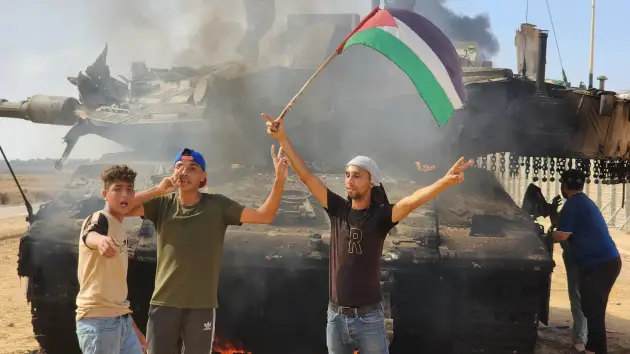
The war between Israel and the Hamas militants entered its 10th day on Monday and is expected to escalate further. The Israeli Army has vowed to “demolish Hamas” as the troops prepared to move into the Gaza Strip in pursuit of Hamas militants whose deadly rampage through Israeli border towns shocked the world.

Palestinians walk between the rubble of a destroyed building in Shijaiyah neighborhood of Gaza City in the northern Gaza Strip.

Meanwhile, top US officials warned that the war between Israel and Hamas could escalate, as American warships headed to the area amid growing clashes with Lebanon.

Israel had urged Palestinians to evacuate to the southern area of the Gaza City enclave ahead of an expected Israel ground offensive against the terror attacks, which hundreds of thousands have done after leaving Gaza City, home to about half the region's more than 2 million people.

According to the latest data, the war has claimed at least 3,200 lives since it began last Saturday. 

  • Urban battle from past Gaza war offers glimpse of what an Israeli ground offensive might look like

    A battle that killed dozens of civilians and more than a dozen Israeli soldiers nearly a decade ago offers a glimpse of the type of fighting that could lie ahead if Israeli forces roll into Gaza as expected to punish Hamas for its rampage across southern Israel last week.

    It was July 19, 2014, during Israel's third war against Hamas. The target was Shijaiyah, a densely populated neighborhood of Gaza City that the army said Hamas had transformed into a “terrorist fortress,” filled with tunnels, rocket launchers and booby traps.

    The battle came on the third day of a ground offensive that had been preceded by a 10-day air campaign. Then, as now, Palestinian civilians had been told to leave the neighborhood, Then, as now, many stayed, either because Hamas told them to or because they had nowhere else to go.

    As Israeli forces pushed into Shijaiyah, a jumble of squat concrete buildings and narrow alleys, militants unleashed a withering barrage of automatic gunfire, anti-tank missiles and rocket-propelled grenades,said the army. 


Sunday, October 15, 2023

Hamas not letting people leave cities, using them as shield

 Israel Ministry of Foreign Affairs (MFA) spokesperson Lior Haiat said on Saturday that Hamas is using the civilian population of Gaza as a shield to protect themselves and is targeting Israel from the densely populated areas.


Unfortunately, Hamas uses its own population as a human shield and the responsibility for that lies on Hamas. There is no doubt about it that Hamas is responsible for the people of Gaza. They are not letting them leave the cities. They are hiding behind them. They are shooting from population areas. Over the last week, there were over 5,000 rockets that were shot from the Gaza street towards the Israeli civilian population,” he said.

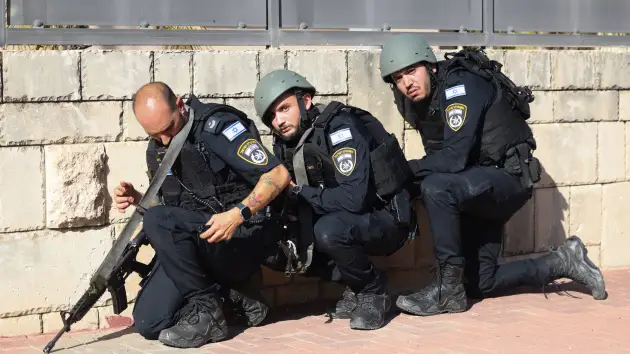
Haiat said, “There is no other country in the world that does the efforts that Israel has made in the past and in this operation in order to prevent civilian casualties. We are doing anything in our power with the highest technology in order to only hit the terrorists and the terrorist infrastructure of the Hamas terrorist organization in the Gaza Strip.”

“Israel army works and operates under the international law. As I said, there is no other country in the world that uses so much technology in order to prevent civilian casualties. We’ve heard, and unfortunately, in the last few days, in the numerous interviews that I gave talks about proportionality, I have to tell you, this word means nothing in a war against Hamas. What’s the proportionate response to a baby that was tied up, massacred, and then burned to death?” he said.


He said further, “What is the proportionate response to over 1,300 Israel casualties, most of them civilians? How do you react in a proportionate way to people who came to a music festival and were butchered in the forest? Next to that, they only came to celebrate peace, music, and life. There is no word like proportionate reaction when you deal with Hamas. Hamas is an ISIS-like terror organization, and the only way to win this war is to have them pay a huge price and to change the reality that Hamas will be able to attack Israelis ever again.”

                       Israel's Multi-Pronged Warning: A Potential Storm Over Gaza


In a region marred by conflict and tension, the Israeli-Palestinian conflict remains one of the most persistent and complex. Recent developments suggest that the situation in Gaza may be on the brink of escalation, with Israel issuing a stern warning that it is prepared to use all means to defend its interests. Hezbollah, too, is at the center of this equation, adding an additional layer of complexity to an already volatile situation.


Israel's Stern Warning


In recent days, Israel has sent a clear message to Gaza and its neighboring militant groups: any attempt to open a second front in this ongoing conflict will be met with a decisive response. This warning comes amid escalating tensions, and Israel is making it clear that it will not tolerate aggression from multiple fronts.


Land, Air, and Sea: A Comprehensive Strategy


Israel's warning carries a significant weight due to its comprehensive approach. It is no secret that Israel possesses one of the most powerful militaries in the region. Let's break down their capabilities on land, air, and sea:


1. Land Operations: Israel's ground forces are highly trained and equipped with advanced weaponry. They have the ability to conduct precise operations when necessary. The threat of a ground incursion into Gaza is a potent deterrent against any potential aggression.


2. Air Superiority: The Israeli Air Force is a formidable force with a vast range of capabilities. Their precision strikes can target specific threats while minimizing collateral damage. Air superiority allows them to control the skies, a key advantage in any conflict.


3. Naval Assets: Israel's Navy also plays a crucial role. They can enforce blockades and prevent the smuggling of weapons into Gaza. Additionally, their naval forces can launch operations from the sea if required.


Hezbollah's Role


Hezbollah's involvement in this equation adds a layer of uncertainty. As a prominent player in Lebanon, it has close ties to Iran and has a history of armed conflict with Israel. While Hezbollah's capabilities are primarily in Lebanon, its involvement could significantly escalate the situation.


The Importance of Deterrence


Deterrence is a fundamental concept in geopolitics and military strategy. Israel's warning to Gaza and Hezbollah is aimed at deterring any aggressive actions by making it clear that the costs of such actions would be high. This strategy is not only in the interest of Israel but also serves the broader goal of regional stability.


A Precarious Balance


The situation in the Middle East is inherently delicate, with various regional actors, interests, and historical conflicts at play. The potential for an escalation in Gaza underscores the importance of diplomacy, dialogue, and conflict prevention. All parties involved should exercise restraint to avoid a broader regional conflict.


In conclusion, Israel's warning to Gaza, which includes the possibility of military action on land, air, and sea, serves as a stark reminder of the volatility in the region. The delicate balance of deterrence and diplomacy will continue to shape the future of the Israeli-Palestinian conflict and its broader implications in the Middle East.


Saturday, October 14, 2023

Escalating Tensions: Hezbollah's Threat to Israel Following Gaza Attack

           Escalating Tensions: Hezbollah's Threat to Israel Following Gaza Attack


Introduction


In the turbulent landscape of the Middle East, the recent escalation of hostilities between Israel and Hezbollah has brought the region to the brink of yet another crisis. Triggered by Israel's military operations in Gaza, this new front poses complex challenges and underscores the volatile nature of the geopolitical dynamics in the Middle East.


Israel's Operation in Gaza


Israel's Operation in Gaza began in response to rocket attacks by Palestinian groups, including Hamas, and their long-standing hostilities. This operation has been a contentious issue, with global opinions divided on the proportionality of Israel's response and the humanitarian implications for the Palestinian population.


Hezbollah's Involvement


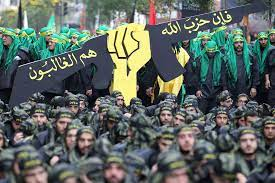
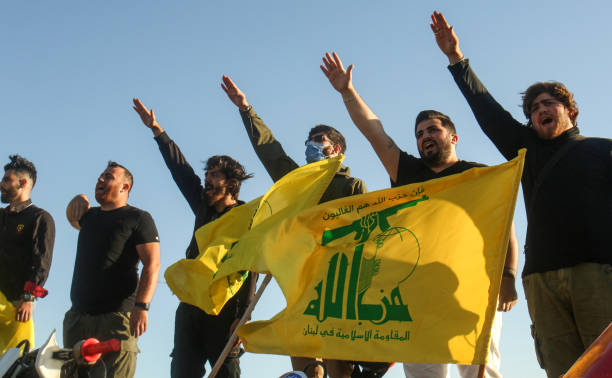
Hezbollah, a Shiite militant group based in Lebanon, has a long history of hostility towards Israel. Over the years, it has amassed a substantial arsenal of rockets and missiles, raising concerns among Israeli defense officials. In recent weeks, Hezbollah's leader, Hassan Nasrallah, has issued threats against Israel, vowing to stand with the Palestinians in their struggle against the Israeli military.


The Complexity of the Situation


The recent threat posed by Hezbollah adds an additional layer of complexity to an already intricate geopolitical landscape. Several factors must be considered:


1. Syrian Connection: Hezbollah receives support from Iran and has established a presence in Syria. This regional alliance further complicates the situation, potentially involving Syria in any future conflict.


2.Proxy Dynamics: The Israel-Hezbollah confrontation could be seen as a proxy conflict in the broader struggle between Iran and Israel in the region.


3. Civilian Impact: Any military action in this region has a significant impact on civilian populations. International pressure to avoid collateral damage and protect civilians must be considered.


4. International Response: The international community, including the United Nations, is closely monitoring the situation. Escalation could lead to diplomatic interventions, sanctions, or other consequences.


5. Regional Stability: The escalation of hostilities in the Middle East can have a domino effect, affecting the stability of neighboring countries and straining international relations.


The Way Forward


It is essential to emphasize that a peaceful resolution is in the best interest of all parties involved. Dialogue, diplomacy, and international mediation should be prioritized to prevent further escalation. Moreover, recognizing the legitimate security concerns of both Israel and Lebanon is crucial in any negotiations.


Conclusion


The recent threat by Hezbollah against Israel following the Gaza operation underscores the intricate web of geopolitical rivalries in the Middle East. It is in the best interest of all parties to seek a peaceful resolution, as further escalation could have dire consequences for the entire region. The international community must play a constructive role in defusing tensions and promoting dialogue to prevent further conflict. The road to stability in the Middle East is paved with diplomacy and compromise.

Israel Raids Gaza Amid Fresh Warning of Netanyahu

                               Israel Raids Gaza Amid Fresh Warning of Netanyahu


#TerrorAttackbyHamas  #TerroristHamas   #islamicTerror  #BrutalHamas #Babiesbeheaded #InhumanHamas 


Introduction


In the ever-volatile region of the Middle East, the ongoing Israeli-Palestinian conflict remains a flashpoint that continually captures the world's attention. Recently, Israel initiated another series of airstrikes on Gaza, coinciding with fresh warnings from former Prime Minister Benjamin Netanyahu. The situation in this region remains complex, fraught with historical tensions, and international concerns. This article aims to delve into the recent Israeli raids on Gaza and the implications of Netanyahu's warnings, providing an in-depth analysis of the situation.


The Israeli Raids on Gaza


The Israeli airstrikes on Gaza, which began in early October, were carried out in response to rocket attacks launched from Gaza into southern Israel. The Israeli Defense Forces (IDF) stated that these strikes targeted Hamas military infrastructure and other militant groups in the Gaza Strip. The conflict led to casualties on both sides, including civilians, and further exacerbated the already dire humanitarian situation in Gaza.


The recent raids mark another chapter in the long-standing Israeli-Palestinian conflict, which has deep historical roots. The core issues, such as the status of Jerusalem, the rights of Palestinian refugees, and territorial disputes, have remained unresolved for decades. The situation in Gaza, a densely populated and economically deprived territory, has been particularly grim, with its residents suffering from a lack of basic necessities and limited access to healthcare and education.


Netanyahu's Fresh Warnings


Benjamin Netanyahu, the former Israeli Prime Minister, known for his uncompromising stance on security and foreign policy, issued a series of warnings amid the renewed violence. These warnings raised concerns in the international community, as they came from a prominent political figure who played a significant role in shaping Israeli policy.


Netanyahu's warnings centered on the idea that Israel must maintain its military readiness and take a tough stance against militant groups in the region. He emphasized that any concessions or perceived weakness could be detrimental to Israel's national security. These warnings reflect a perspective that has been characteristic of his leadership over the years.


The Implications


The Israeli raids on Gaza and Netanyahu's warnings have implications on various levels:


1. Domestic Politics: Netanyahu's statements and the military actions underscore the importance of security in Israeli politics. The government's response to these security challenges can significantly influence public opinion and the political landscape.


2. Regional Dynamics: The Israeli-Palestinian conflict has always been intertwined with broader Middle Eastern politics. The recent events could affect Israel's relations with neighboring countries, as well as international efforts to promote peace in the region.


3. Humanitarian Concerns: The civilian casualties and the impact on the already precarious humanitarian situation in Gaza highlight the urgency of addressing the long-standing issues in the region. International organizations and nations concerned with human rights and humanitarian assistance need to play a role.


4. Prospects for Peace: The recent violence casts a shadow on the prospects for a peaceful resolution to the Israeli-Palestinian conflict. The need for diplomacy, negotiations, and international mediation is now more vital than ever.

Conclusion

The Israeli raids on Gaza, coupled with Benjamin Netanyahu's warnings, are a stark reminder of the ongoing complexities in the Middle East. The Israeli-Palestinian conflict continues to be a critical issue, impacting not only the lives of those directly involved but also the broader regional and global landscape. As the situation unfolds, the international community must strive to address the root causes and work towards a lasting and peaceful resolution to this enduring conflict. The stakes are high, and the need for diplomacy and cooperation remains paramount to avoid further escalation and loss of life.

Israel Palestine Conflict- Is it a Trigger for WW3

The Israel-Palestine conflict has been a long-standing and contentious issue that has captured international attention for decades. While the conflict is undoubtedly significant, it's important to clarify that it, by itself, is not a direct trigger for World War 3. However, it is a part of the larger geopolitical landscape in the Middle East and can potentially have far-reaching consequences.


Here are some key points to consider:


1. Complex Regional Dynamics: The Middle East is a region with intricate political and military dynamics. The Israel-Palestine conflict intersects with various regional issues, including Iran's influence, the role of neighboring countries like Saudi Arabia and Turkey, and the presence of international actors like the United States and Russia. These complexities can, in some scenarios, escalate tensions and contribute to instability in the region.


2.International Diplomacy: The conflict often sparks diplomatic efforts by major global powers, including the United States, the United Nations, and the European Union, to mediate and find a resolution. The involvement of these powers can either help de-escalate or, if mishandled, escalate tensions.


3. Nuclear Powers: Both Israel and some of its neighbors are nuclear-armed states. Any situation that threatens regional stability could potentially raise concerns about the use of nuclear weapons, which could have catastrophic consequences.


4. Global Impact: While the Israel-Palestine conflict may not directly trigger a world war, it can impact global politics. It can lead to changes in alliances, influence energy security, and impact the global economy due to its effect on oil prices.


In summary, while the Israel-Palestine conflict is a significant and ongoing issue with profound implications, it is not, by itself, a direct trigger for World War 3. However, its intricate interplay with regional dynamics and global politics means that it can contribute to broader tensions and conflicts. The key to preventing a world war lies in international diplomacy, conflict resolution, and maintaining a nuanced and balanced approach to these issues.


Please let me know if you would like more specific information or if you have any other questions related to this topic or any other subject you'd like to discuss.

Friday, October 13, 2023

As Israel-Hamas War Rages, A Security Alert In Delhi


 As the ongoing war in Israel between security forces and Palestinian group Hamas escalates, a security alert has been sounded in New Delhi in view of potential protests in the national capital, police said. 

Delhi Police personnel will be present on the streets with heavy force during Friday prayers. Security has also been stepped up at Jewish religious establishments and the Israel Embassy. 


This comes after many countries, including the US, UK, France and Germany, heightened security around "potential Jewish targets" and "pro-Palestinian protesters" in view of the escalating violence in Israel. 

Following the bloody attack on Israel by Hamas, France on Thursday banned all pro-Palestinian demonstrations in the interest of public order. Critics of the ban argue that it infringes on freedom of speech and assembly.

More than 1,500 people have been killed in Gaza after Israel retaliated with fury after the surprise land-sea-air attack by Hamas left 1,300 Israelis dead. Israeli Prime Minister Benjamin Netanyahu, soon after the Hamas onslaught began, declared a "state of war' and vowed to reduce Gaza to rubble. 


#Hamas #IslamicTerrorists #HamasattacksIsrael  #SecurityAlertinDelhi #HamasthreatenNonIslamicNation 


Exclusive research on PM Narendra Modi Govt Spending on SC ST OBC & Muslims of India- 2014-2026

Exclusive research on PM Narendra Modi Govt Spending on SC ST OBC & Muslims of India- 2014-2026 Exclusive research on PM Narendra Modi ...