Pages

Tuesday, March 17, 2026

The War That Is Redrawing the Middle East

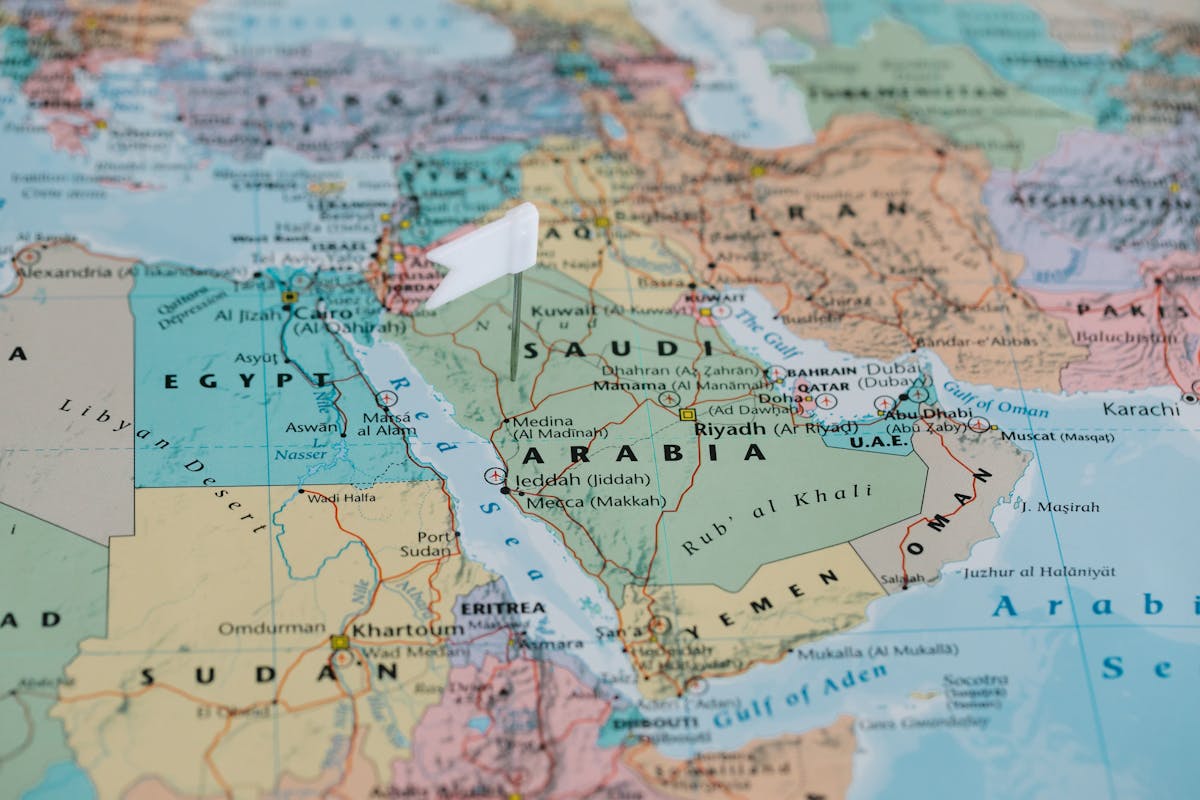
Middle East Map - US Israel Iran War 2026 Operation Epic Fury

Map of Middle East showing key conflict zones | Free image via Pexels

ЁЯУМ Expert Military Analysis: Colonel Rajendra Shukla (Retd.), Indian Army, analyses Operation Epic Fury — the US-Israel coordinated military campaign against Iran that began February 28, 2026. This article covers the battlefield situation, India's strategic exposure, and the long-term geopolitical consequences for South Asia and the world.
ЁЯУЛ Key Topics Covered:
• Operation Epic Fury: The Opening Salvo
• Week 3 Battlefield Situation & Losses
• The Strait of Hormuz Energy Crisis
• Iran's New Supreme Leader — What Next?
• India's Strategic Tightrope: Energy, Diaspora & Chabahar
• The Colonel's Geopolitical Assessment


 EXPERT ANALYSIS  |  GEOPOLITICS & MILITARY STRATEGY

Operation Epic Fury:

The War That Is Redrawing the Middle East

— And What It Means for India


By Col. Rajendra Shukla (Retd.), Indian Army | Military Strategy & Geopolitics


The Opening Salvo — A War Decades in the Making

On 28 February 2026, the Middle East crossed a threshold from which there is no return. The United States and Israel launched coordinated surprise airstrikes on multiple sites across Iran, assassinating Supreme Leader Ali Khamenei and dozens of senior Iranian officials. What followed was not just retaliation — it was the unleashing of a regional inferno that had been smouldering since 1979.

The stated objectives were stark and unprecedented: regime change in Iran, and the destruction of its nuclear and ballistic missile infrastructure. This was not a surgical strike. This was a decapitation operation backed by the full kinetic weight of American air power and Israeli precision targeting.

The question is not whether this war was inevitable. The question every strategic mind must now ask is: what kind of world emerges from this fire?

The Battlefield Calculus — Week Three

Now entering its third week, US forces struck military targets on Kharg Island — the critical hub through which most of Iran's crude exports pass. That single strike sent a message to Tehran that Washington is prepared to go after the economic jugular.

US Central Command has struck over 5,000 targets in Iran since 28 February. Iran's IRGC, in turn, has launched attacks on at least 27 US bases across the region, as well as Israeli military facilities.

Iran launched hundreds of drones and ballistic missiles at US bases in Bahrain, Jordan, Kuwait, Qatar, Saudi Arabia, Turkey, and the UAE. Britain's Akrotiri base in Cyprus was also struck. Iran did not fight back defensively — it fought back regionally, attempting to impose costs on every state hosting American forces.

Up to 3.2 million people have been displaced in Iran since the war began. Iranian President Pezeshkian has laid out three conditions for ending the war: recognition of Tehran's legitimate rights, payment of reparations, and firm international guarantees against future aggression. These are not the terms of a defeated nation.

The Strait of Hormuz — The World's Most Dangerous Chokepoint

Every student of military geography knows the Strait of Hormuz is where energy security and strategic power converge. That chokepoint is now effectively closed.

Brent crude rose from $73 on 27 February to $107 on 8 March — a 40 percent surge in ten days. Around 20 percent of global LNG production went offline, and oil production in multiple Gulf states declined. These numbers are not just economic data points — they are weapons in Iran's asymmetric arsenal.

At least 16 oil tankers, cargo ships, and other vessels have been attacked in and around the Strait of Hormuz, the Arabian Gulf, and the Gulf of Oman since the war began. Iran's message is strategic: if we burn, the world's lights flicker.

The Succession Question — Who Leads Iran Now?

Mojtaba Khamenei, appointed following his father's assassination, issued his first statement as Supreme Leader, warning that attacks on Israel and US military assets will continue unless all bases hosting US forces in the region are closed. This is not moderation. This is ideological continuity.

US Defense Secretary Pete Hegseth stated he believes the new Supreme Leader is 'wounded and likely disfigured,' and the State Department offered a $10 million reward for information on his whereabouts. Washington is hunting the successor even as it killed the predecessor. This is no longer just a war against Iran's nuclear programme. It is a war for Iran's soul.

India at the Crossroads — The Strategic Tightrope

This is where the analysis must turn deeply personal for every Indian strategic mind. Prime Minister Modi addressed the Israeli Knesset on 25 February 2026 — less than 48 hours before the US-Israel strikes commenced. The proximity of that visit to the opening of Operation Epic Fury has not gone unnoticed in Tehran or in the Arab world.

India's official response has been one of carefully calibrated restraint. New Delhi called for 'de-escalation and dialogue' but did not condemn the US-Israeli strikes, nor did it offer an official condolence for the death of Khamenei.

The consequences for India are multi-dimensional and severe:

   ENERGY VULNERABILITY: India invoked emergency powers to prevent a shortage of cooking fuel after supply disruptions caused by the Middle East crisis. With 85% of its crude imported, India is structurally exposed.

   THE REMITTANCE RISK: Some 9.1 million Indians live across Gulf nations — the largest expatriate community there — with over $50 billion in annual remittances at stake.

   THE CONNECTIVITY GAMBLE: India's more than $120 million investment in Chabahar Port is now in serious jeopardy. Meanwhile, IMEC — the India-Middle East-Europe Economic Corridor — could potentially reduce India-Europe logistics costs by 30% and transit time by 40%.

Long-Term Geopolitical Consequences — The Decade Ahead

1. THE POST-KHAMENEI IRAN: Whether the regime survives or collapses, the Iran that emerges from this war will be fundamentally different. A regime-changed Iran, mainstreamed into the international order, could be a significant trade and energy partner — but on Washington and Riyadh's terms, not Delhi's.

2. THE AXIS REDRAW: China will position itself as Iran's indispensable lifeline — economic, diplomatic, and potentially military. China, India, and Russia will become key variables in international diplomacy, energy markets, and regional stability.

3. THE NUCLEAR DOMINO FEAR: If Iran's nuclear programme is destroyed and the regime humiliated, what signal does that send to Pakistan? The lesson other proliferators will draw is not reassurance — it is acceleration.

4. AMERICAN CREDIBILITY AND OVERSTRETCH: The first week of the war cost the US military over $11.3 billion. A prolonged campaign will test American domestic appetite — particularly as the Indo-Pacific and Ukraine theatres remain active.

The Colonel's Assessment


This war is not a Middle Eastern problem. It is a global inflection point. The unilateral assassination of a head of state, the deliberate targeting of nuclear infrastructure, and the weaponisation of an energy chokepoint have fundamentally altered the rules-based order — or what remained of it.

For India, the strategic calculus is brutally clear: we cannot afford to be a passenger on someone else's geopolitical vehicle. We must protect our energy security, preserve our trade corridors, secure our diaspora, and — above all — retain the strategic autonomy that has been the bedrock of Indian foreign policy since Nehru.

The fire in West Asia will not stay in West Asia. It never does.


✍️ About the Author

Colonel Rajendra Shukla (Retd.) is a retired Indian Army officer with extensive experience in military strategy and geopolitics. He writes expert commentary on global conflicts, India's defence posture, and international affairs at Best Information at Shuksgyan. His analyses draw on decades of frontline military experience and strategic studies.

ЁЯУв If you found this military analysis valuable, share it! Subscribe to Best Information at Shuksgyan for expert Indian Army perspective on global conflicts, Indian politics, and geopolitical strategy.

SEO Keywords: Operation Epic Fury, US Israel attack Iran 2026, Iran war 2026, Middle East conflict, Strait of Hormuz crisis, India geopolitics Middle East, India energy security oil crisis, Chabahar port India Iran, Iranian Supreme Leader killed 2026, India military strategy

Monday, March 16, 2026

рдСрдкрд░ेрд╢рди рдПрдкिрдХ рдл्рдпूрд░ी: рд╡рд╣ рдпुрдж्рдз рдЬो рдордз्рдп-рдкूрд░्рд╡ рдХो рдлिрд░ рд╕े рдкрд░िрднाрд╖िрдд рдХрд░ рд░рд╣ा рд╣ै

рдСрдкрд░ेрд╢рди рдПрдкिрдХ рдл्рдпूрд░ी: рд╡рд╣ рдпुрдж्рдз рдЬो рдордз्рдп-рдкूрд░्рд╡ рдХो рдлिрд░ рд╕े рдкрд░िрднाрд╖िрдд рдХрд░ рд░рд╣ा рд╣ै

via Blogger https://ift.tt/0noxYOQ
March 15, 2026 at 10:13PM
via Blogger https://ift.tt/TCt6sr1
March 15, 2026 at 11:13PM
via Blogger https://ift.tt/zISH4aF
March 16, 2026 at 12:13AM

рдСрдкрд░ेрд╢рди рдПрдкिрдХ рдл्рдпूрд░ी: рд╡рд╣ рдпुрдж्рдз рдЬो рдордз्рдп-рдкूрд░्рд╡ рдХो рдлिрд░ рд╕े рдкрд░िрднाрд╖िрдд рдХрд░ рд░рд╣ा рд╣ै

рдСрдкрд░ेрд╢рди рдПрдкिрдХ рдл्рдпूрд░ी: рд╡рд╣ рдпुрдж्рдз рдЬो рдордз्рдп-рдкूрд░्рд╡ рдХो рдлिрд░ рд╕े рдкрд░िрднाрд╖िрдд рдХрд░ рд░рд╣ा рд╣ै

via Blogger https://ift.tt/0noxYOQ
March 15, 2026 at 10:13PM
via Blogger https://ift.tt/TCt6sr1
March 15, 2026 at 11:13PM

Sunday, March 15, 2026

рдСрдкрд░ेрд╢рди рдПрдкिрдХ рдл्рдпूрд░ी: рд╡рд╣ рдпुрдж्рдз рдЬो рдордз्рдп-рдкूрд░्рд╡ рдХो рдлिрд░ рд╕े рдкрд░िрднाрд╖िрдд рдХрд░ рд░рд╣ा рд╣ै

рдСрдкрд░ेрд╢рди рдПрдкिрдХ рдл्рдпूрд░ी: рд╡рд╣ рдпुрдж्рдз рдЬो рдордз्рдп-рдкूрд░्рд╡ рдХो рдлिрд░ рд╕े рдкрд░िрднाрд╖िрдд рдХрд░ рд░рд╣ा рд╣ै

via Blogger https://ift.tt/0noxYOQ
March 15, 2026 at 10:13PM

рдСрдкрд░ेрд╢рди рдПрдкिрдХ рдл्рдпूрд░ी: рд╡рд╣ рдпुрдж्рдз рдЬो рдордз्рдп-рдкूрд░्рд╡ рдХो рдлिрд░ рд╕े рдкрд░िрднाрд╖िрдд рдХрд░ рд░рд╣ा рд╣ै

рдСрдкрд░ेрд╢рди рдПрдкिрдХ рдл्рдпूрд░ी: рд╡рд╣ рдпुрдж्рдз рдЬो рдордз्рдп-рдкूрд░्рд╡ рдХो рдлिрд░ рд╕े рдкрд░िрднाрд╖िрдд рдХрд░ рд░рд╣ा рд╣ै


  рд╡िрд╢ेрд╖рдЬ्рдЮ рд╡िрд╢्рд▓ेрд╖рдг  |  рднू-рд░ाрдЬрдиीрддि рдПрд╡ं рд╕ैрди्рдп рд░рдгрдиीрддि

рдСрдкрд░ेрд╢рди рдПрдкिрдХ рдл्рдпूрд░ी:

рд╡рд╣ рдпुрдж्рдз рдЬो рдордз्рдп-рдкूрд░्рд╡ рдХो рдлिрд░ рд╕े рдкрд░िрднाрд╖िрдд рдХрд░ рд░рд╣ा рд╣ै

— рдФрд░ рднाрд░рдд рдХे рд▓िрдП рдЗрд╕рдХा рдХ्рдпा рдЕрд░्рде рд╣ै?


Col Rajendra Shukla (рд╕ेрд╡ाрдиिрд╡ृрдд्рдд), рднाрд░рддीрдп рд╕ेрдиा | рд╕ैрди्рдп рд░рдгрдиीрддि рдПрд╡ं рднू-рд░ाрдЬрдиीрддि


рдкрд╣рд▓ी рдЧोрд▓ी — рджрд╢рдХों рд╕े рд╕ुрд▓рдЧрддा рдпुрдж्рдз

28 рдлрд░рд╡рд░ी 2026 рдХो рдордз्рдп-рдкूрд░्рд╡ рдиे рдПрдХ рдРрд╕ी рджрд╣рд▓ीрдЬ़ рдкाрд░ рдХी, рдЬрд╣ाँ рд╕े рд╡ाрдкрд╕ी рд╕ंрднрд╡ рдирд╣ीं рд╣ै। рдЕрдоेрд░िрдХा рдФрд░ рдЗрдЬ़рд░ाрдЗрд▓ рдиे рдИрд░ाрди рдоें рдХрдИ рдаिрдХाрдиों рдкрд░ рд╕рдорди्рд╡िрдд рдЖрд╢्рдЪрд░्рдпрдЬрдирдХ рд╣рд╡ाрдИ рд╣рдорд▓े рдХिрдП, рдЬिрд╕рдоें рд╕рд░्рд╡ोрдЪ्рдЪ рдиेрддा рдЕрд▓ी рдЦाрдоेрдиेрдИ рдФрд░ рджрд░्рдЬрдиों рд╡рд░िрд╖्рда рдИрд░ाрдиी рдЕрдзिрдХाрд░िрдпों рдХी рд╣рдд्рдпा рдХрд░ рджी рдЧрдИ। рдЗрд╕рдХे рдмाрдж рдЬो рд╣ुрдЖ рд╡рд╣ рдХेрд╡рд▓ рдк्рд░рддिрд╢ोрдз рдирд╣ीं рдеा — рдпрд╣ 1979 рд╕े рд╕ुрд▓рдЧрддी рдЖрдЧ рдХा рдПрдХ рднрдб़рдХा рд╣ुрдЖ рд╡िрд╕्рдлोрдЯ рдеा।

рдШोрд╖िрдд рдЙрдж्рджेрд╢्рдп рд╕्рдкрд╖्рдЯ рдФрд░ рдЕрднूрддрдкूрд░्рд╡ рдеे: рдИрд░ाрди рдоें рд╕рдд्рддा рдкрд░िрд╡рд░्рддрди рдФрд░ рдЙрд╕рдХे рдкрд░рдоाрдгु рдПрд╡ं рдмैрд▓िрд╕्рдЯिрдХ рдоिрд╕ाрдЗрд▓ рдвाँрдЪे рдХा рд╡िрдиाрд╢। рдпрд╣ рдХोрдИ рд╕рд░्рдЬिрдХрд▓ рд╕्рдЯ्рд░ाрдЗрдХ рдирд╣ीं рдеी। рдпрд╣ рдЕрдоेрд░िрдХी рд╡ाрдпु рд╢рдХ्рддि рдФрд░ рдЗрдЬ़рд░ाрдЗрд▓ी рд╕рдЯीрдХ рдиिрд╢ाрдиेрдмाрдЬ़ी рдХी рдкूрд░ी рддाрдХрдд рд╕े рдХिрдпा рдЧрдпा рдПрдХ рд╕िрд░-рдХрд▓рдо рдХрд░рдиे рд╡ाрд▓ा рдСрдкрд░ेрд╢рди рдеा।

рдк्рд░рд╢्рди рдпрд╣ рдирд╣ीं рд╣ै рдХि рдпрд╣ рдпुрдж्рдз рдЕрдкрд░िрд╣ाрд░्рдп рдеा рдпा рдирд╣ीं। рд╣рд░ рд░рдгрдиीрддिрдХ рдорд╕्рддिрд╖्рдХ рдХो рдЕрдм рдпрд╣ рдкूрдЫрдиा рдЪाрд╣िрдП: рдЗрд╕ рдЖрдЧ рд╕े рдХैрд╕ी рджुрдиिрдпा рдиिрдХрд▓ेрдЧी?

рдпुрдж्рдз рдХा рдоैрджाрдиी рд╣िрд╕ाрдм — рддीрд╕рд░ा рд╕рдк्рддाрд╣

рддीрд╕рд░े рд╕рдк्рддाрд╣ рдоें рдк्рд░рд╡ेрд╢ рдХрд░рддे рд╣ुрдП, рдЕрдоेрд░िрдХी рдмрд▓ों рдиे рдЦाрд░्рдЧ рдж्рд╡ीрдк рдкрд░ рд╕ैрди्рдп рд▓рдХ्рд╖्рдпों рдкрд░ рд╣рдорд▓ा рдХिрдпा — рдЬो рдИрд░ाрди рдХे рдХрдЪ्рдЪे рддेрд▓ рдиिрд░्рдпाрдд рдХा рдоुрдЦ्рдп рдХेंрдж्рд░ рд╣ै। рдЙрд╕ рдПрдХрд▓ рд╣рдорд▓े рдиे рддेрд╣рд░ाрди рдХो рд╕ंрджेрд╢ рджिрдпा рдХि рд╡ाрд╢िंрдЧрдЯрди рдЖрд░्рдеिрдХ рдирд╕ рдкрд░ рд╡ाрд░ рдХрд░рдиे рдХो рддैрдпाрд░ рд╣ै।

28 рдлрд░рд╡рд░ी рд╕े рдЕрдм рддрдХ рдЕрдоेрд░िрдХी рд╕ेंрдЯ्рд░рд▓ рдХрдоांрдб рдиे рдИрд░ाрди рдоें 5,000 рд╕े рдЕрдзिрдХ рд▓рдХ्рд╖्рдпों рдкрд░ рд╣рдорд▓ा рдХिрдпा рд╣ै। рдИрд░ाрди рдХे IRGC рдиे рдмрджрд▓े рдоें рдХ्рд╖ेрдд्рд░ рдоें рдХрдо рд╕े рдХрдо 27 рдЕрдоेрд░िрдХी рдаिрдХाрдиों рдФрд░ рдЗрдЬ़рд░ाрдЗрд▓ी рд╕ैрди्рдп рдк्рд░рддिрд╖्рдаाрдиों рдкрд░ рд╣рдорд▓े рдХिрдП рд╣ैं।

рдИрд░ाрди рдиे рдмрд╣рд░ीрди, рдЬॉрд░्рдбрди, рдХुрд╡ैрдд, рдХрддрд░, рд╕рдКрджी рдЕрд░рдм, рддुрд░्рдХी рдФрд░ рдпूрдПрдИ рдоें рдЕрдоेрд░िрдХी рдаिрдХाрдиों рдкрд░ рд╕ैрдХрдб़ों рдб्рд░ोрди рдФрд░ рдмैрд▓िрд╕्рдЯिрдХ рдоिрд╕ाрдЗрд▓ें рджाрдЧीं। рд╕ाрдЗрдк्рд░рд╕ рдоें рдм्рд░िрдЯेрди рдХा рдЕрдХрд░ोрдЯिрд░ी рдмेрд╕ рднी рдиिрд╢ाрдиे рдкрд░ рд░рд╣ा। рдИрд░ाрди рдиे рд░рдХ्рд╖ाрдд्рдордХ рдирд╣ीं, рдмрд▓्рдХि рдХ्рд╖ेрдд्рд░ीрдп рд╕्рддрд░ рдкрд░ рдЬрд╡ाрдмी рдХाрд░्рд░рд╡ाрдИ рдХी।

рдпुрдж्рдз рд╢ुрд░ू рд╣ोрдиे рдХे рдмाрдж рд╕े рдИрд░ाрди рдоें 32 рд▓ाрдЦ рд╕े рдЕрдзिрдХ рд▓ोрдЧ рд╡िрд╕्рдеाрдкिрдд рд╣ो рдЪुрдХे рд╣ैं। рдИрд░ाрдиी рд░ाрд╖्рдЯ्рд░рдкрддि рдкेрдЬ़ेрд╢рдХिрдпрди рдиे рдпुрдж्рдз рд╕рдоाрдк्рдд рдХрд░рдиे рдХे рд▓िрдП рддीрди рд╢рд░्рддें рд░рдЦी рд╣ैं: рддेрд╣рд░ाрди рдХे рд╡ैрдз рдЕрдзिрдХाрд░ों рдХी рдоाрди्рдпрддा, рдкुрдирд░्рднрд░рдг рдХा рднुрдЧрддाрди рдФрд░ рднрд╡िрд╖्рдп рдХी рдЖрдХ्рд░ाрдордХрддा рдХे рд╡िрд░ुрдж्рдз рдЕंрддрд░्рд░ाрд╖्рдЯ्рд░ीрдп рдЧाрд░ंрдЯी। рдпे рдХिрд╕ी рдкрд░ाрдЬिрдд рд░ाрд╖्рдЯ्рд░ рдХी рд╢рд░्рддें рдирд╣ीं рд╣ैं।

рд╣ोрд░्рдоुрдЬ़ рдХा рдЬрд▓рдбрдорд░ूрдордз्рдп — рджुрдиिрдпा рдХा рд╕рдмрд╕े рдЦрддрд░рдиाрдХ рдоाрд░्рдЧ

рд╕ैрди्рдп рднूрдЧोрд▓ рдХा рд╣рд░ рд╡िрдж्рдпाрд░्рдеी рдЬाрдирддा рд╣ै рдХि рд╣ोрд░्рдоुрдЬ़ рдЬрд▓рдбрдорд░ूрдордз्рдп рд╡рд╣ рд╕्рдеाрди рд╣ै рдЬрд╣ाँ рдКрд░्рдЬा рд╕ुрд░рдХ्рд╖ा рдФрд░ рд░рдгрдиीрддिрдХ рд╢рдХ्рддि рдХा рдоिрд▓рди рд╣ोрддा рд╣ै। рд╡рд╣ рдоाрд░्рдЧ рдЕрдм рдк्рд░рднाрд╡ी рд░ूрдк рд╕े рдмंрдж рд╣ै।

27 рдлрд░рд╡рд░ी рдХो рдм्рд░ेंрдЯ рдХ्рд░ूрдб 73 рдбॉрд▓рд░ рд╕े рдмрдв़рдХрд░ 8 рдоाрд░्рдЪ рдХो 107 рдбॉрд▓рд░ рд╣ो рдЧрдпा — рджрд╕ рджिрдиों рдоें 40 рдк्рд░рддिрд╢рдд рдХी рдЙрдЫाрд▓। рд╡ैрд╢्рд╡िрдХ LNG рдЙрдд्рдкाрджрди рдХा рд▓рдЧрднрдЧ 20 рдк्рд░рддिрд╢рдд рдардк рд╣ो рдЧрдпा। рдпे рдЖँрдХрдб़े рдХेрд╡рд▓ рдЖрд░्рдеिрдХ рдбेрдЯा рдирд╣ीं рд╣ैं — рдпे рдИрд░ाрди рдХे рдЕрд╕рдордоिрдд рд╢рд╕्рдд्рд░ाрдЧाрд░ рдХे рд╣рдеिрдпाрд░ рд╣ैं।

рдпुрдж्рдз рд╢ुрд░ू рд╣ोрдиे рдХे рдмाрдж рд╕े рд╣ोрд░्рдоुрдЬ़ рдЬрд▓рдбрдорд░ूрдордз्рдп, рдЕрд░рдм рдЦाрдб़ी рдФрд░ рдУрдоाрди рдХी рдЦाрдб़ी рдоें рдХрдо рд╕े рдХрдо 16 рддेрд▓ рдЯैंрдХрд░ рдФрд░ рдХाрд░्рдЧो рдЬрд╣ाрдЬों рдкрд░ рд╣рдорд▓े рд╣ो рдЪुрдХे рд╣ैं। рдИрд░ाрди рдХा рд╕ंрджेрд╢ рд░рдгрдиीрддिрдХ рд╣ै: рдЕрдЧрд░ рд╣рдо рдЬрд▓ें, рддो рджुрдиिрдпा рдХी рд░ोрд╢рдиी рднी рдбрдЧрдордЧाрдПрдЧी।

рднाрд░рдд рдХी рд░рдгрдиीрддिрдХ рджुрд╡िрдзा

рдпрд╣ рд╡рд╣ рд╕्рдеाрди рд╣ै рдЬрд╣ाँ рд╡िрд╢्рд▓ेрд╖рдг рд╣рд░ рднाрд░рддीрдп рд░рдгрдиीрддिрдХ рдорд╕्рддिрд╖्рдХ рдХे рд▓िрдП рд╡्рдпрдХ्рддिрдЧрдд рд╣ो рдЬाрддा рд╣ै। рдк्рд░рдзाрдирдоंрдд्рд░ी рдоोрджी рдиे 25 рдлрд░рд╡рд░ी 2026 рдХो рдЗрдЬ़рд░ाрдЗрд▓ी рдХ्рдиेрд╕ेрдЯ рдоें рднाрд╖рдг рджिрдпा — рдЕрдоेрд░िрдХा-рдЗрдЬ़рд░ाрдЗрд▓ рд╣рдорд▓ों рд╕े рдоाрдд्рд░ 48 рдШंрдЯे рдкрд╣рд▓े। рдЙрд╕ рдпाрдд्рд░ा рдХी рдСрдкрд░ेрд╢рди рдПрдкिрдХ рдл्рдпूрд░ी рдХे рд╕ाрде рд╕рдордпीрдХрддा рддेрд╣рд░ाрди рдФрд░ рдЕрд░рдм рдЬрдЧрдд рдоें рдЕрдирджेрдЦी рдирд╣ीं рдЧрдИ।

рднाрд░рдд рдХी рдЖрдзिрдХाрд░िрдХ рдк्рд░рддिрдХ्рд░िрдпा рд╕ाрд╡рдзाрдиीрдкूрд░्рд╡рдХ рд╕ंрдпрдоिрдд рд░рд╣ी рд╣ै। рдирдИ рджिрд▓्рд▓ी рдиे 'рддрдиाрд╡ рдХрдо рдХрд░рдиे рдФрд░ рд╕ंрд╡ाрдж' рдХा рдЖрд╣्рд╡ाрди рдХिрдпा, рд▓ेрдХिрди рди рддो рдЕрдоेрд░िрдХा-рдЗрдЬ़рд░ाрдЗрд▓ рд╣рдорд▓ों рдХी рдиिंрджा рдХी рдФрд░ рди рд╣ी рдЦाрдоेрдиेрдИ рдХी рдоृрдд्рдпु рдкрд░ рдЖрдзिрдХाрд░िрдХ рд╢ोрдХ рд╡्рдпрдХ्рдд рдХिрдпा।

рднाрд░рдд рдХे рд▓िрдП рдкрд░िрдгाрдо рдмрд╣ुрдЖрдпाрдоी рдФрд░ рдЧंрднीрд░ рд╣ैं:

   рдКрд░्рдЬा рд╕ंрдХрдЯ: рдордз्рдп-рдкूрд░्рд╡ рд╕ंрдХрдЯ рдХे рдХाрд░рдг рдЖрдкूрд░्рддि рдмाрдзाрдУं рдХे рдмाрдж рднाрд░рдд рдиे рдЦाрдиा рдкрдХाрдиे рдХे рдИंрдзрди рдХी рдХрдоी рд░ोрдХрдиे рдХे рд▓िрдП рдЖрдкाрддрдХाрд▓ीрди рд╢рдХ्рддिрдпों рдХा рдЙрдкрдпोрдЧ рдХिрдпा। 85% рдХрдЪ्рдЪा рддेрд▓ рдЖрдпाрдд рдХрд░рдиे рд╡ाрд▓े рднाрд░рдд рдХे рд▓िрдП рдпрд╣ рд╕ंрд░рдЪрдиाрдд्рдордХ рд░ूрдк рд╕े рдЦрддрд░рдиाрдХ рд╣ै।

   рдк्рд░рд╡ाрд╕ी рдЦрддрд░ा: рдЦाрдб़ी рджेрд╢ों рдоें 91 рд▓ाрдЦ рднाрд░рддीрдп рд░рд╣рддे рд╣ैं — рд╡рд╣ाँ рд╕рдмрд╕े рдмрдб़ा рдк्рд░рд╡ाрд╕ी рд╕рдоुрджाрдп — рдЬिрдирдХे 50 рдЕрд░рдм рдбॉрд▓рд░ рд╕े рдЕрдзिрдХ рдХे рд╡ाрд░्рд╖िрдХ рдк्рд░ेрд╖рдг рджाँрд╡ рдкрд░ рд╣ैं।

   рдЪाрдмрд╣ाрд░ рд╕ंрдХрдЯ: рдЪाрдмрд╣ाрд░ рдмंрджрд░рдЧाрд╣ рдоें рднाрд░рдд рдХा 120 рдоिрд▓िрдпрди рдбॉрд▓рд░ рд╕े рдЕрдзिрдХ рдХा рдиिрд╡ेрд╢ рдЕрдм рдЦрддрд░े рдоें рд╣ै। рджूрд╕рд░ी рдУрд░, IMEC рдХॉрд░िрдбोрд░ рднाрд░рдд-рдпूрд░ोрдк рд░рд╕рдж рд▓ाрдЧрдд 30% рдФрд░ рдкाрд░рдЧрдорди рд╕рдордп 40% рддрдХ рдХрдо рдХрд░ рд╕рдХрддा рд╣ै।

рджीрд░्рдШрдХाрд▓िрдХ рднू-рд░ाрдЬрдиीрддिрдХ рдкрд░िрдгाрдо

1. рдЦाрдоेрдиेрдИ рдХे рдмाрдж рдХा рдИрд░ाрди: рдЗрд╕ рдпुрдж्рдз рд╕े рдЙрднрд░рдиे рд╡ाрд▓ा рдИрд░ाрди рдоौрд▓िрдХ рд░ूрдк рд╕े рднिрди्рди рд╣ोрдЧा। рдПрдХ рдХрдордЬ़ोрд░ рдИрд░ाрди рднाрд░рдд рдХे рд▓िрдП рд░рдгрдиीрддिрдХ рд░ूрдк рд╕े рдЕрдк्рд░ाрд╕ंрдЧिрдХ рд╣ै। рдПрдХ рдоुрдЦ्рдпрдзाрд░ा рдоें рдЖрдпा рдИрд░ाрди рдорд╣рдд्рд╡рдкूрд░्рдг рднाрдЧीрджाрд░ рд╣ो рд╕рдХрддा рд╣ै — рд▓ेрдХिрди рд╡ाрд╢िंрдЧрдЯрди рдФрд░ рд░िрдпाрдж рдХी рд╢рд░्рддों рдкрд░, рджिрд▓्рд▓ी рдХी рдирд╣ीं।

2. рдЧुрдЯों рдХा рдкुрдирд░्рдиिрд░्рдоाрдг: рдЪीрди рд╕्рд╡рдпं рдХो рдИрд░ाрди рдХा рдЕрдкрд░िрд╣ाрд░्рдп рдЬीрд╡рдирд░ेрдЦा рдХे рд░ूрдк рдоें рд╕्рдеाрдкिрдд рдХрд░ेрдЧा। рдЪीрди, рднाрд░рдд рдФрд░ рд░ूрд╕ рдЕंрддрд░्рд░ाрд╖्рдЯ्рд░ीрдп рдХूрдЯрдиीрддि, рдКрд░्рдЬा рдмाрдЬाрд░ рдФрд░ рдХ्рд╖ेрдд्рд░ीрдп рд╕्рдеिрд░рддा рдоें рдк्рд░рдоुрдЦ рдЪрд░ рдмрдиेंрдЧे।

3. рдкрд░рдоाрдгु рдбोрдоिрдиो рдХा рднрдп: рдпрджि рдИрд░ाрди рдХा рдкрд░рдоाрдгु рдХाрд░्рдпрдХ्рд░рдо рдирд╖्рдЯ рд╣ो рдЬाрддा рд╣ै, рддो рдкाрдХिрд╕्рддाрди рдХो рдХ्рдпा рд╕ंрджेрд╢ рдоिрд▓ेрдЧा? рдЕрди्рдп рдкрд░рдоाрдгु-рдЗрдЪ्рдЫुрдХ рджेрд╢ рдЬो рд╕ीрдЦ рд▓ेंрдЧे рд╡рд╣ рдЖрд╢्рд╡рд╕्рддि рдирд╣ीं — рдмрд▓्рдХि рдд्рд╡рд░рдг рд╣ोрдЧी।

4. рдЕрдоेрд░िрдХी рд╡िрд╢्рд╡рд╕рдиीрдпрддा рдФрд░ рдЕрддिрд╡िрд╕्рддाрд░: рдпुрдж्рдз рдХे рдкрд╣рд▓े рд╕рдк्рддाрд╣ рдоें рдЕрдоेрд░िрдХी рд╕ेрдиा рдкрд░ 11.3 рдЕрд░рдм рдбॉрд▓рд░ рд╕े рдЕрдзिрдХ рдХी рд▓ाрдЧрдд рдЖрдИ। рдПрдХ рд▓ंрдмा рдЕрднिрдпाрди рдЕрдоेрд░िрдХी рдШрд░ेрд▓ू рдЗрдЪ्рдЫाрд╢рдХ्рддि рдХी рдкрд░ीрдХ्рд╖ा рд▓ेрдЧा।

рдХрд░्рдирд▓ рдХा рдЖрдХрд▓рди


рдпрд╣ рдпुрдж्рдз рдХेрд╡рд▓ рдордз्рдп-рдкूрд░्рд╡ рдХी рд╕рдорд╕्рдпा рдирд╣ीं рд╣ै। рдпрд╣ рдПрдХ рд╡ैрд╢्рд╡िрдХ рд╡िрднрдХ्рддि рдмिंрджु рд╣ै। рдПрдХ рджेрд╢ рдХे рд╕рд░्рд╡ोрдЪ्рдЪ рдиेрддा рдХी рдПрдХрддрд░рдлा рд╣рдд्рдпा, рдкрд░рдоाрдгु рдЕрд╡рд╕ंрд░рдЪрдиा рдкрд░ рдЬाрдирдмूрдЭрдХрд░ рд╣рдорд▓ा, рдФрд░ рдПрдХ рдКрд░्рдЬा рдЪोрдХрдкॉрдЗंрдЯ рдХा рд╣рдеिрдпाрд░ीрдХрд░рдг — рдЗрди рд╕рдмрдиे рдиिрдпрдо-рдЖрдзाрд░िрдд рд╡्рдпрд╡рд╕्рдеा рдХो рдоौрд▓िрдХ рд░ूрдк рд╕े рдмрджрд▓ рджिрдпा рд╣ै।

рднाрд░рдд рдХे рд▓िрдП рд░рдгрдиीрддिрдХ рдЧрдгिрдд рдмेрд░рд╣рдоी рд╕े рд╕्рдкрд╖्рдЯ рд╣ै: рд╣рдо рдХिрд╕ी рдФрд░ рдХे рднू-рд░ाрдЬрдиीрддिрдХ рд╡ाрд╣рди рдоें рдпाрдд्рд░ी рдирд╣ीं рдмрди рд╕рдХрддे। рд╣рдоें рдЕрдкрдиी рдКрд░्рдЬा рд╕ुрд░рдХ्рд╖ा рдХी рд░рдХ्рд╖ा рдХрд░рдиी рд╣ोрдЧी, рдЕрдкрдиे рд╡्рдпाрдкाрд░ рдоाрд░्рдЧों рдХो рд╕ंрд░рдХ्рд╖िрдд рдХрд░рдиा рд╣ोрдЧा, рдЕрдкрдиे рдк्рд░рд╡ाрд╕िрдпों рдХो рд╕ुрд░рдХ्рд╖िрдд рдХрд░рдиा рд╣ोрдЧा — рдФрд░ рд╕рдмрд╕े рдКрдкрд░, рд╡рд╣ рд░рдгрдиीрддिрдХ рд╕्рд╡ाрдпрдд्рддрддा рдмрдиाрдП рд░рдЦрдиी рд╣ोрдЧी рдЬो рдиेрд╣рд░ू рдХे рд╕рдордп рд╕े рднाрд░рддीрдп рд╡िрджेрд╢ рдиीрддि рдХी рдЖрдзाрд░рд╢िрд▓ा рд░рд╣ी рд╣ै।

рдкрд╢्рдЪिрдо рдПрд╢िрдпा рдХी рдЖрдЧ рдкрд╢्рдЪिрдо рдПрд╢िрдпा рдоें рдирд╣ीं рд░рд╣ेрдЧी। рдЗрддिрд╣ाрд╕ рдпрд╣ी рдХрд╣рддा рд╣ै।


© рдХрд░्рдирд▓ Rajendra Shukla (рд╕ेрд╡ाрдиिрд╡ृрдд्рдд) | рд╕рд░्рд╡ाрдзिрдХाрд░ рд╕ुрд░рдХ्рд╖िрдд |

Thursday, March 5, 2026

U.S.–Israel military campaign against Iran

Middle East Map - US Israel Iran Military Campaign 2026

Map of the Middle East conflict zone | Free image via Pexels

ЁЯЪи Breaking Military Analysis: A comprehensive breakdown of the joint U.S.-Israel military campaign against Iran (Operation Epic Fury / Operation Lion's Roar), covering the ground situation as of early March 2026, Iranian leadership decapitation, nuclear infrastructure strikes, and regional escalation risks.
ЁЯУЛ Contents:
• Joint US-Israel Offensive: What Has Happened?
• Iranian Leadership Casualties
• US Military Losses & Iranian Retaliation
• Strait of Hormuz: Energy Markets Impact
• Global Response & Diplomatic Fallout
• What Next for Iran?
U.S.–Israel military campaign against Iran

 U.S.–Israel military campaign against Iran, the situation on the ground, Tehran’s options, and the risks of escalation in the near term (as of March 4, 2026):What has happened so far?

Joint U.S.–Israel Offensive:
A coordinated military campaign—often referred to by Israeli officials as Operation Lion’s Roar—began on 28 February 2026 with intensive air and missile strikes against Iranian strategic and military targets including defense sites, missile infrastructure and command facilities.

High-Level Iranian Leadership Impact:
Reports from multiple outlets indicate that Iran’s Supreme Leader Ayatollah Ali Khamenei was killed in the initial strikes.
Airspace Control:

Israeli and U.S. forces now claim near-total control of Iranian airspace, asserting significant degradation of Iranian surface-to-air and offensive capabilities.

Iranian Retaliation:
Tehran has launched missile and drone strikes against U.S. bases in the Gulf region and Israeli territory. There are reports of drone attacks reaching Saudi Arabia (including the CIA station in Riyadh) and combat engagements involving Iraqi and Gulf airspaces.

Regional Spillover:
Iran-aligned groups such as Hezbollah in Lebanon have opened additional fronts against Israel, triggering reciprocal strikes.

Casualties and Economic Impacts:

International Reaction:
Many states, particularly in the Global South, have condemned the offensive as a breach of international law and warned about dangers of escalating warfare.


2) Iran’s strategic options — the way forward

Given the current dynamics, Iran effectively has four main courses of action:

a) Continue conventional retaliation

Iran is likely to sustain missile/drone strikes on U.S. and Israeli assets as long as it can affect perceived costs. This includes proxy operations through allied militias across Iraq, Syria, and Lebanon.

Advantages:**

  • Preserves regime posture of defending sovereignty.

  • Imposes asymmetric costs on U.S. and Israeli forces.

Risks:**

  • Draws further retaliation and deeper U.S–Israeli operations inside Iran.

b) Escalate to broader regional conflict

Tehran’s strategy could expand to direct engagements involving the Gulf states, Iraq, and possibly Yemen’s Houthis, targeting critical shipping routes such as the Strait of Hormuz. This could disrupt global energy flows and mobilise external powers. (Reports confirm such disruptions are already underway.)

c) Harden defenses and attritional resistance

Iran also retains underground infrastructure, mobile missile systems, and hardened air defenses. Focusing on defensive depth and attritional warfare increases costs to the adversary without provoking high-intensity leaps in conflict.

d) Leverage diplomatic or negotiation channels

While current Iranian leadership has rejected negotiations with Washington, international mediation (e.g., by the UN, China, Turkey, or European powers) remains a potential stabilising mechanism—especially if battlefield costs mount for the U.S. or Israel.


3) Immediate risks — how dangerous could this be in days to come?

✔ Prolongation and intensification of direct strikes:
Military planners on all sides suggest the campaign may expand beyond initial limited goals, prolonging combat and deepening strikes into Iranian territory.

✔ Wider Middle East escalation:

Proxies (Hezbollah, Iraqi militias) and allied states could broaden involvement—potentially drawing Saudi Arabia, UAE, or even indirect Russian/Chinese diplomatic pressures into the conflict.

✔ Strait of Hormuz instability:
Iran has the capacity to close or hinder shipping through Hormuz, threatening global oil supply and potentially triggering military interdictions.

✔ Domestic Iranian instability:
The killing of Khamenei may create internal power struggles and nationalist mobilization, which could harden Tehran’s stance and complicate internal unity. This may limit Iran’s willingness to de-escalate.

✔ Risk of miscalculation:
In fast-moving high-intensity conflict, single incidents (accidental shoot-downs, civilian casualties, strikes on third-party assets) can rapidly widen the war footprint.


4) Strategic assessment

Best-case scenario:
Limited and controlled de-escalation through international mediation, freeze in direct offensive operations, and negotiation on nuclear and security guarantees.

Worst-case scenario:
Multi-front regional war drawing in proxies and Gulf states, major disruption of global oil markets, and a protracted, high-cost conflict akin to a large conventional war.


Col Rajendra Shukla


via Blogger https://ift.tt/Ud2yD0C
March 5, 2026 at 10:59AM
via Blogger https://ift.tt/YzSOT7A
March 5, 2026 at 11:13AM
via Blogger https://ift.tt/yWwjTYv
March 5, 2026 at 12:13PM
via Blogger https://ift.tt/h9tYE0K
March 5, 2026 at 01:13PM

✍️ Analysis by Col. Rajendra Shukla (Retd.)

This strategic overview is compiled by Colonel Rajendra Shukla, retired Indian Army officer and defence analyst. Read more of his expert geopolitical analysis at Best Information at Shuksgyan — India's go-to blog for military strategy, Indian politics, and global affairs.

SEO Keywords: US Israel Iran war 2026, Operation Epic Fury, Operation Lion's Roar, Iran nuclear strikes, Khamenei killed, Middle East war March 2026, US military Iran, Strait of Hormuz oil crisis, Iran regime change, India Iran conflict impact

Geopolitical and Domestic Challenges Facing India’s Government: The Need for Decisive Action

Geopolitical and Domestic Challenges Facing India’s Government: The Need for Decisive Action Geopolitical and Domestic Challenges Facing In...