Pages

Tuesday, March 31, 2026

US-ISRAEL-IRAN CONFLICT: STRATEGIC DYNAMICS AND IMPLICATIONS FOR INDIA

US-Israel-Iran War 2025: Military & Economic Impact on India | Expert Analysis

Military Analysis Geopolitics India

US–Israel–Iran War 2025: Strategic Dynamics and Their Military & Economic Impact on India

By  |   |  Est. reading time: 8 min


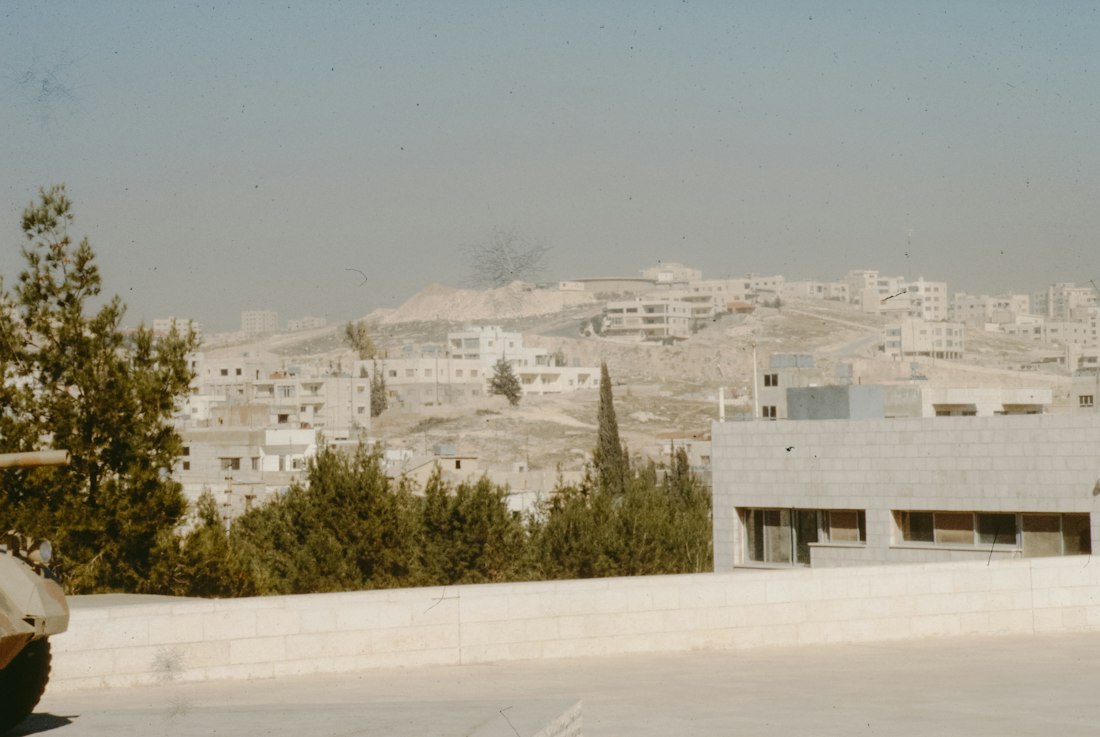
War-damaged buildings on a dusty hillside under a hazy sky — symbolizing the ongoing Middle East conflict between Israel, Iran, and US-backed forces in 2025
Buildings reduced to rubble in a conflict zone — the US-Israel-Iran war has caused widespread destruction across multiple fronts in the Middle East.
Photo by Annie Spratt / Unsplash Free License

I. The Strategic Landscape: A Powder Keg in the Middle East

The Middle East has entered one of its most volatile phases since the 2003 Iraq War. The triangle of strategic tension between the United States, Israel, and Iran has shifted from a cold shadow war to an era of direct military confrontation, fundamentally reshaping regional security architecture and sending shockwaves across global markets and geopolitical alignments.

The immediate catalyst was Hamas's October 7, 2023 attack on Israeli soil — the deadliest single-day assault on Jewish people since the Holocaust — which triggered Israel's Operation Iron Swords in Gaza. What began as a counterterrorism campaign rapidly escalated into a multi-front conflict involving Hezbollah in Lebanon, Houthi rebels in Yemen, and Iranian-backed militias across Iraq and Syria. Crucially, this culminated in two unprecedented milestones: Iran's direct ballistic missile and drone attacks on Israeli territory (April and October 2024) and Israel's retaliatory strikes on Iranian soil, marking the first time since the 1948 Arab-Israeli War that Iran and Israel engaged in direct kinetic exchanges.

The United States, for its part, deployed carrier strike groups, activated Iron Dome resupply chains, and conducted direct interceptions of Iranian projectiles — effectively becoming a co-belligerent in operational terms, even while avoiding a formal declaration of war. As of early 2025, the theater of conflict spans five operational axes: Gaza, the West Bank, Southern Lebanon, the Red Sea/Bab-el-Mandeb Strait, and Iranian-Israeli air corridors over the Persian Gulf.

Key Takeaway: Iran's "Axis of Resistance" — comprising Hezbollah, Hamas, the Houthis, and Iraqi militias — operates as a distributed deterrence architecture designed to impose attrition on Israel without triggering a full-scale conventional war. Yet the strategic calculus has grown dangerously thin.

II. Military Dimensions: Escalation Dynamics & Capability Assessments

Israel's Military Posture: The Israel Defense Forces (IDF) have demonstrated extraordinary technological capability. The layered air defense architecture — comprising Iron Dome, David's Sling, and Arrow-3 — successfully intercepted over 99% of Iranian ballistic projectiles in the April 2024 salvo, a feat without precedent in the history of missile defense. However, Iran's October 2024 strike (approximately 180 ballistic missiles) exposed the limits of interceptor inventory, highlighting an unsustainable attrition trajectory. The elimination of Hezbollah Secretary-General Hassan Nasrallah in September 2024 was a major tactical victory, yet decisive strategic outcomes in Gaza remain elusive.

Iran's Strategic Calculus: Iran's direct strikes mark a profound doctrinal shift — from proxy deterrence to overt power projection. Tehran's forces possess significant asymmetric advantages: an estimated 3,000+ ballistic missiles, advanced drone swarm capabilities, and the ability to threaten the Strait of Hormuz, through which approximately 21% of global petroleum liquids transit. Iran's nuclear program continues to advance, with enrichment levels sufficient for multiple devices, though weaponization timelines remain classified.

US Military Engagement: Washington has maintained a delicate balance — robust support for Israel alongside deliberate restraint against direct conflict with Iran. The deployment of USS Gerald R. Ford and USS Dwight D. Eisenhower carrier strike groups, forward positioning of F-22 Raptors, and active participation in intercepting Iranian projectiles signals deep operational commitment. Meanwhile, Operation Poseidon Archer — targeted strikes against Houthi missile infrastructure in Yemen — underscores US willingness to expand the theater rather than concede Red Sea access.

III. Economic Fallout: Oil Markets, Shipping, and Global Supply Chains

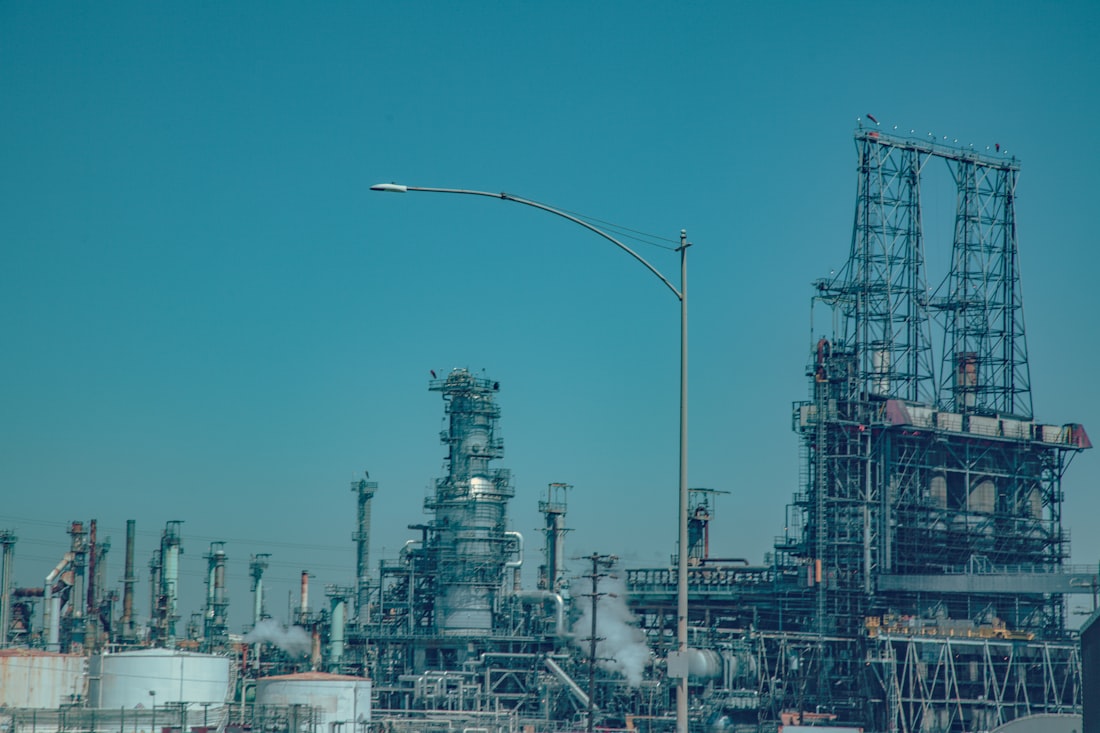
Industrial oil refinery complex under a clear blue sky — representing global energy market volatility caused by the US-Israel-Iran conflict and threats to Persian Gulf oil supply
Global oil markets have experienced severe volatility as the US-Israel-Iran conflict threatens Persian Gulf supply routes, with Brent crude prices spiking above $90/barrel during peak escalation periods.
Photo by Unsplash / Unsplash Free License

The conflict has introduced structural volatility into global energy markets. Brent crude, which traded near $75/barrel pre-October 7, 2023, spiked to $95/barrel during peak escalation periods and remains range-bound between $80–90 due to persistent risk premiums. A potential Israeli or US strike on Iranian oil infrastructure — particularly the Kharg Island terminal, which handles 90% of Iranian exports — could remove 1.5–2 million barrels per day from global supply, with analysts projecting a spike to $130–150/barrel in a worst-case scenario.

Houthi attacks on commercial shipping in the Red Sea have forced major carriers to reroute around the Cape of Good Hope, adding 10–14 days to Europe-Asia transit times and raising freight rates by over 200% on key routes. This has amplified inflationary pressures globally, particularly in Europe and South Asia, disrupting just-in-time supply chains across electronics, automotive, and consumer goods sectors. The economic cost of Red Sea disruption has already exceeded $20 billion in rerouting expenses and cargo delays globally.

IV. India's Strategic Exposure: Navigating Competing Pressures

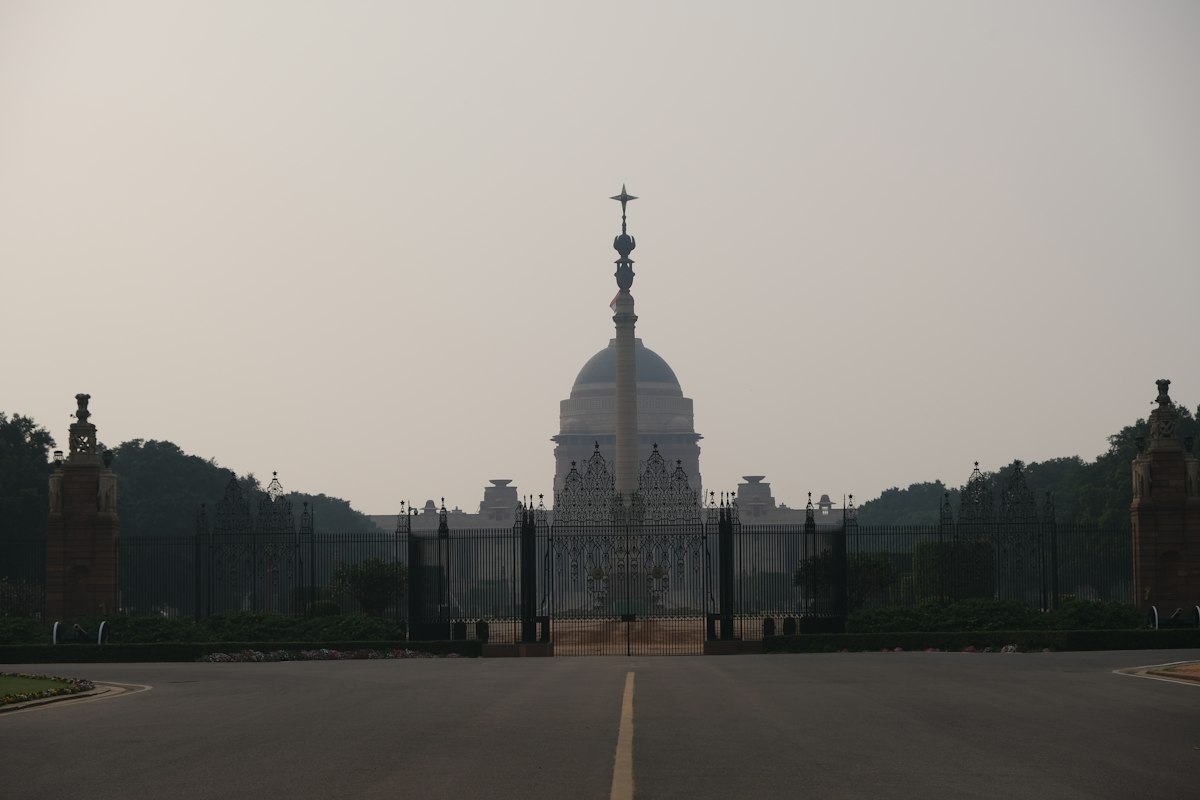
India's Parliament and Rashtrapati Bhavan in New Delhi — India faces complex geopolitical pressures as it navigates the US-Israel-Iran conflict while protecting its strategic autonomy, energy security, and defense partnerships
New Delhi, India's geopolitical nerve center — India's strategic autonomy doctrine faces its stiffest stress test yet as Washington expects greater alignment while Tehran and Tel Aviv are both key partners in India's security and energy calculus.
Photo by Sukanya Basu / Unsplash Free License

India finds itself at a uniquely complex inflection point — economically exposed, strategically hedged, and diplomatically constrained. As the world's fifth-largest economy and third-largest oil consumer, India cannot afford to be a passive spectator in this conflict.

Military and Defense Dimensions: India maintains deep defense partnerships with Israel, which is its second-largest defense supplier after Russia. Israeli systems — including Barak-8 air defense missiles, Heron and Harop drones, Spike anti-tank missiles, and Phalcon AWACS — are deeply integrated into Indian Army, Navy, and Air Force inventories. Any prolonged Israeli military attrition, or US pressure on arms pipelines, could impact technology transfers and spares supply chains critical to Indian operational readiness.

Concurrently, India maintains historically significant ties with Iran, including a $400 million equity stake in the Chabahar Port project — India's strategic gateway to Central Asia and Afghanistan bypassing Pakistan. The US has issued waivers for Chabahar given its strategic importance, but the risk of secondary sanctions remains a persistent pressure point for Indian policymakers. India's "Strategic Autonomy" doctrine now faces its stiffest test, as Washington increasingly expects New Delhi to align more explicitly with the Western coalition against Iran.

Energy and Economic Security: India is the world's third-largest oil importer, meeting approximately 85% of crude requirements through imports. The Gulf region — including Iraq, Saudi Arabia, and the UAE — accounts for over 60% of India's crude imports. An escalation-driven oil price spike to $130+/barrel would devastate India's Current Account Deficit (CAD), weaken the Indian Rupee, and re-ignite inflation just as the RBI has brought it near target levels. India's diaspora remittances from the Gulf — approximately $40 billion annually — and its workforce of nearly 9 million expatriates in the region face direct vulnerability. The Red Sea disruption has simultaneously impacted Indian textile, pharmaceutical, and engineering goods exports to European markets, as freight surcharges erode competitiveness.

India's Balancing Act: India has been one of the few major democracies to abstain or vote neutrally on UN resolutions related to the Gaza conflict, preserving both its relationship with the Arab world and its partnership with Israel — a diplomatic tightrope walk that reflects classical Nehruvian non-alignment repackaged for the 21st century.

V. Conclusion: India's Path Forward

The US-Israel-Iran conflict is not India's war — but its consequences land squarely on India's doorstep. New Delhi must pursue a calibrated four-track strategy: First, maintain its defense-industrial relationship with Israel while accelerating domestic indigenization under the Atmanirbhar Bharat initiative; second, protect Chabahar through continued diplomatic engagement with both Washington and Tehran; third, aggressively hedge energy risk through supply diversification and strategic petroleum reserve expansion; and fourth, leverage its position as a neutral interlocutor — as it did during the Russia-Ukraine conflict — to play a constructive diplomatic de-escalation role, enhancing its global standing in the process.

India's strategic moment is not to choose sides, but to demonstrate that in a fragmenting world, a capable, neutral, and economically resilient democracy can shape outcomes — without firing a single shot. The measure of India's foreign policy sophistication over the next 12–24 months will be whether it can preserve its multivector partnerships intact while the Middle East continues to burn.


Tags: US Israel Iran War 2025 | Middle East Conflict India Impact | India Oil Prices 2025 | Red Sea Shipping Disruption | India Israel Defense Relations | India Iran Chabahar Port | India Strategic Autonomy | India Military Analysis | Iran Nuclear Program | Middle East Geopolitics 2025

Disclaimer: This analysis is based on open-source intelligence and geopolitical data available up to January 2025. The situation is rapidly evolving; readers are advised to consult current intelligence assessments and verified news sources for the latest developments. This article does not represent the official position of any government or military organization.

Wednesday, March 25, 2026

India at the Crossroads: SC/ST Act Controversy, UGC Reforms, and the Political Future of Narendra Modi

India Parliament - SC/ST Act, UGC Reforms, and BJP Political Future

Photo: India Parliament Building | Free image via Unsplash

๐Ÿ” Quick Summary (SEO): This in-depth analysis covers three of India's most pressing political issues in 2026: the SC/ST (Prevention of Atrocities) Act controversy, UGC reservation reforms in higher education, and the political future of Prime Minister Narendra Modi and the BJP. Read to understand how caste, education, and electoral politics are reshaping India's democracy.
๐Ÿ“‹ Table of Contents:
• Part I: The SC/ST Act – Purpose, Provisions & the Misuse Debate
• Part II: UGC Regulations – Education, Reservation & General Category Grievances
• Part III: Narendra Modi & BJP – Political Future & Challenges
• Part IV: How These Issues Shape India's Political Future
• Conclusion: India at the Crossroads


India at the Crossroads: SC/ST Act Controversy, UGC Reforms, and the Political Future of Narendra Modi

An In-Depth Analysis of India’s Political Landscape | March 2026

India, the world’s largest democracy, finds itself at a defining political crossroads as it navigates the turbulent waters of social justice legislation, educational reform, and electoral politics. Three issues have come to dominate national discourse in recent months: the ongoing controversy surrounding the Scheduled Castes and Scheduled Tribes (Prevention of Atrocities) Act, the University Grants Commission’s new regulatory framework, and the political trajectory of Prime Minister Narendra Modi and his Bharatiya Janata Party (BJP)-led National Democratic Alliance (NDA) government. Each of these issues cuts to the heart of questions about fairness, social equity, governance, and the future of Hindu society in a rapidly changing India.


Part I: The SC/ST (Prevention of Atrocities) Act – Purpose, Provisions, and the Misuse Debate

Background and Legislative History


The Scheduled Castes and Scheduled Tribes (Prevention of Atrocities) Act was originally enacted in 1989, born out of a grim recognition that India’s constitutionally marginalized communities continued to face severe discrimination, violence, and humiliation despite decades of formal legal equality. The Act was a decisive legislative response to centuries of caste-based oppression — the practice of untouchability, forced labour, physical violence, and social exclusion that formed the lived reality of millions of Dalits and Adivasis across the country. The Act was strengthened significantly by an amendment in 2015 and further reinforced by the Supreme Court’s reversal of its own controversial 2018 dilution order, following widespread protests that swept through India. Today, the SC/ST Act remains one of the most powerful pieces of anti-discrimination legislation in the world, providing for stringent punishment for a wide range of atrocities committed against members of these communities.


The Act’s key provisions include non-bailable arrest of accused persons, special courts for speedy trial, the shifting of the burden of proof in certain circumstances to the accused, and protection from anticipatory bail for those charged under the Act. These provisions were deliberately designed to be stringent, given the historical pattern of local police and courts being complicit in shielding upper-caste perpetrators while denying justice to Dalit victims.


The Misuse Controversy


In recent years, a vocal section of Indian society — predominantly from the upper and general castes — has raised allegations of widespread misuse of the SC/ST Act. The core complaint is that the Act’s stringent provisions, particularly the non-bailable arrest clause and the absence of anticipatory bail, are being weaponized for personal vendettas, property disputes, professional rivalries, and political scores rather than genuine cases of atrocity. Several district court judges, legal professionals, and BJP-affiliated organizations have pointed to data suggesting high acquittal rates in SC/ST Act cases as circumstantial evidence of fabricated complaints. Critics argue that the mere filing of a case — even a false one — causes irreparable harm to the accused, who faces immediate arrest, public humiliation, career damage, and social ostracism before any judicial determination of guilt.


The Supreme Court of India stirred a political firestorm in March 2018 when a two-judge bench, in the Subhash Kashinath Mahajan case, ruled that there should be a preliminary inquiry before an arrest under the SC/ST Act and that anticipatory bail should be available to the accused. The judgment, authored by Justice A.K. Goel, was celebrated by general category groups as a “safeguard against misuse” but condemned by Dalit organisations and political parties as a judicial dilution of a hard-won protection. The nationwide protests — including a Bharat Bandh called by Dalit organisations that resulted in violence and deaths — demonstrated the depth of feeling on the issue. Parliament subsequently overturned the Supreme Court’s dilution through the SC/ST (Amendment) Act of 2018, restoring the original stringent provisions.


The Counterargument: A Law That Remains Necessary


Dalit scholars, civil rights activists, and opposition leaders counter that the narrative of “misuse” is itself a politically motivated construct designed to weaken a law that genuinely protects the most vulnerable citizens of India. They point to the National Crime Records Bureau (NCRB) data, which consistently shows that crimes against Scheduled Castes and Scheduled Tribes have been increasing — not decreasing — year on year. They argue that high acquittal rates in SC/ST cases reflect not false complaints but rather the failures of the criminal justice system: witness intimidation, police reluctance to properly investigate, hostile prosecutors, and an overall system that continues to be biased against the poor and the marginalized. Furthermore, they note that under-reporting of atrocities is far more pervasive than false reporting. Many Dalit victims never approach police or courts out of fear of retaliation, social pressure, or a deeply rooted mistrust of institutions that have historically failed them.


Political Implications


The SC/ST Act debate sits uncomfortably within the BJP’s political strategy. The party has sought simultaneously to cultivate Dalit support — recognizing the demographic reality that Scheduled Castes comprise over 16% of India’s population and are essential to electoral success — and to respond to the grievances of its upper-caste and OBC base who feel the law is being weaponized against them. This balancing act has become increasingly difficult. The 2024 general elections saw a notable erosion of BJP’s Dalit support base, particularly in Uttar Pradesh, where the Samajwadi Party made inroads with a coalition of OBC and Dalit voters. The BJP’s response has been to elevate Dalit faces in its leadership, appoint Scheduled Caste politicians to high offices, and continue to promote the legacy of Dr. B.R. Ambedkar, but questions remain about the sincerity of these gestures given the party’s ideological heritage in the RSS, an organisation that has historically been associated with upper-caste Hindu orthodoxy.


Part II: UGC Regulations – Education, Reservation, and the General Category Grievance

The UGC Regulatory Framework


The University Grants Commission (UGC) is the apex regulatory body for higher education in India, responsible for setting standards, disbursing grants, and ensuring quality across Indian universities and colleges. Over the past decade, the UGC has undergone significant regulatory changes under the direction of the Ministry of Education, introducing new frameworks for appointments, promotions, and the reservation of teaching positions in higher educational institutions. These changes have become a focal point of controversy among general category students and faculty, many of whom — particularly from the upper-caste Hindu communities — allege that the new frameworks are structurally discriminatory against them.


The Reservation Debate in Higher Education


India’s reservation policy in educational institutions has been constitutionally mandated since independence, initially providing for 22.5% reservation for Scheduled Castes and Scheduled Tribes. The Mandal Commission’s implementation in 1990 extended an additional 27% reservation for Other Backward Classes (OBCs), bringing total reservations to 49.5%. The 103rd Constitutional Amendment in 2019 added a further 10% reservation for Economically Weaker Sections (EWS), which was intended primarily to benefit upper-caste Hindus who were economically disadvantaged but did not qualify for SC/ST or OBC reservations. Despite this EWS reservation — upheld by the Supreme Court in 2022 — general category Hindu communities continue to express deep dissatisfaction with the overall reservation architecture.


The UGC’s 2018 notification on reservation in university faculty positions, which shifted the unit of calculation for reservation from the department level to the central institution level, was a particularly contentious development. The original departmental-level calculation had significantly reduced the number of reserved vacancies in practice, and the Supreme Court had upheld this interpretation in 2017. The subsequent legislative and regulatory reversal to the institution-level calculation restored a larger number of reserved posts for SC/ST/OBC candidates, leading to protests from general category faculty and academic associations who argued that meritocracy in higher education was being compromised.


The National Education Policy and General Category Concerns


The National Education Policy (NEP) 2020, one of the Modi government’s flagship reforms, promised a transformative overhaul of Indian education. While widely praised for its progressive elements — including a multi-disciplinary approach, emphasis on mother-tongue instruction, and flexible degree structures — critics from the general category Hindu community have raised concerns about how UGC regulations implementing the NEP interact with the reservation framework. Some argue that the expansion of higher educational access promised by the NEP has been disproportionately beneficial to reserved category students due to quotas, while the general category student — often from a middle-class Hindu family that does not qualify for EWS based on income criteria — finds themselves squeezed out of competitive institutions despite academic merit.


There are also specific concerns about the UGC’s regulations on the appointment of Vice-Chancellors and senior academic positions. New UGC norms issued between 2023 and 2025 have been criticized by some sections of academia for allegedly prioritising ideological alignment with the ruling party’s Hindutva worldview through the mechanism of government-appointed search committees. Conversely, others argue that the new norms have inadvertently created obstacles for non-reserved category scholars in a competitive academic job market already squeezed by budget constraints and a freeze on permanent appointments in many central universities. The result is a growing sense of alienation among general category Hindu academics who feel their career prospects are being systematically diminished through a combination of reservation, contractualisation, and politically driven appointments.


Is the UGC Framework “Against” General Category Hindus?


It is important to note that framing UGC regulations as being “against” general category Hindus requires careful qualification. The constitutional basis of reservation policy is the principle of affirmative action — a recognition that centuries of caste discrimination have created structural disadvantages that cannot be overcome by formal equality alone. The Supreme Court has repeatedly upheld reservation as a constitutional imperative, not a form of reverse discrimination. The EWS reservation specifically addressed some of the economic hardship concerns of the non-reserved general category. Nevertheless, the perception of unfairness is politically real and electorally potent. The growing resentment among upper and middle-class general category Hindus — particularly in states like Rajasthan, Gujarat, and Maharashtra — has been a factor in electoral contests, and parties across the spectrum have had to engage with this sentiment. The demand for a Caste Census (supported by the INDIA Alliance) adds another dimension, as general category communities fear that any data-driven recalibration of reservation quotas could further reduce their share of opportunities in education and government employment.


Part III: Narendra Modi and the BJP – Political Future and Challenges Ahead

The Modi Era: A Political Assessment


Narendra Damodardas Modi has been the dominant figure in Indian politics for over a decade. Having transformed the BJP from a party that lost badly in 2004 and 2009 into an electoral juggernaut that won commanding majorities in 2014 and 2019, Modi’s third term — secured after the 2024 general elections — marks both the peak and the beginning of a new, more complex chapter of his political career. The 2024 elections produced a significant surprise: while the NDA retained power, the BJP on its own fell short of a majority, winning 240 seats against the 272 needed for a simple majority in the Lok Sabha. This forced Modi to rely on coalition partners — particularly Nitish Kumar’s JDU and Chandrababu Naidu’s TDP — in a way that has constrained the government’s legislative boldness and introduced new political dynamics.


Achievements of the Modi Government


The BJP-led government can point to a substantial list of achievements over its tenure. The abrogation of Article 370 in Jammu and Kashmir in 2019 — fulfilling a decades-old BJP manifesto promise — remains one of the most dramatic and controversial acts of the government. The construction and consecration of the Ram Mandir in Ayodhya in January 2024 was celebrated as the fulfillment of a civilisational aspiration for millions of Hindus, and its political impact was profound. India has emerged as the world’s fifth largest economy under Modi’s watch, and the government has invested heavily in infrastructure: highways, railways, airports, and digital connectivity have seen transformative expansion. Social welfare schemes such as Jan Dhan Yojana (financial inclusion), Ujjwala Yojana (free LPG connections for rural households), Swachh Bharat Mission (sanitation), Ayushman Bharat (healthcare insurance), and PM Awas Yojana (affordable housing) have reached hundreds of millions of beneficiaries, particularly in rural India, and are widely credited with consolidating the BJP’s grassroots support base.


Challenges and Criticisms


However, the Modi government’s third term has been accompanied by a growing list of unresolved challenges. Unemployment — particularly youth unemployment — remains India’s most pressing economic problem. Despite impressive GDP growth figures, job creation has lagged far behind the pace required to absorb the approximately 10 million young Indians entering the workforce each year. The agrarian crisis continues, with farmer protests over minimum support prices for crops and concerns about the corporatisation of agriculture having periodically disrupted politics, most dramatically during the massive farmer protests of 2020-2021 that forced the government to repeal the three farm laws. Inflation, particularly in food prices, has eroded the purchasing power of ordinary Indians and remains a source of popular discontent.


Critics also point to concerns about democratic institutions. The independence of the judiciary, the Election Commission, the Central Bureau of Investigation (CBI), the Enforcement Directorate (ED), and the media have all been questioned by opposition parties and civil society organisations who allege that these institutions have been weaponized for political purposes. The government’s critics in academia, journalism, and civil society have faced defamation cases, sedition charges (under the now-modified Section 124A of the IPC), and ED investigations, leading international press freedom indices to consistently rank India’s media environment as highly constrained. The government and BJP supporters, however, dismiss these criticisms as opposition propaganda and argue that institutional actions reflect legitimate enforcement of the law.


The Opposition: Strength, Fragmentation, and the INDIA Alliance


The INDIA (Indian National Developmental Inclusive Alliance) opposition coalition performed better than expected in the 2024 elections, preventing the BJP from securing a single-party majority. The Congress party, led by Rahul Gandhi, showed significant revival, winning approximately 99 seats — a marked improvement over its 2019 and 2014 performances. The Samajwadi Party emerged as the second-largest opposition force, and various regional parties in Tamil Nadu, West Bengal, and Kerala continued to hold their ground. However, the INDIA Alliance has struggled to maintain cohesion between elections, with internal disputes over seat-sharing, leadership ambitions, and policy differences frequently threatening to fracture the coalition. Mamata Banerjee’s Trinamool Congress, an original founding member, distanced itself from the alliance, and various smaller partners have shown wavering commitment. Without a single credible national alternative to Modi’s personal charisma and brand, the opposition remains fundamentally reactive rather than proactively agenda-setting.


State Elections and the BJP’s Electoral Prospects


State assembly elections between 2024 and 2026 have produced a mixed picture. The BJP has continued to hold power in its Hindi heartland strongholds — Madhya Pradesh, Rajasthan (regained in 2023), Chhattisgarh, Haryana, and Uttarakhand — while facing losses in southern states where it has historically struggled. The Congress party has consolidated its hold in Karnataka, Telangana, and Himachal Pradesh. The AAP and Congress continue to compete for Delhi, while Maharashtra politics remains an extraordinarily complex theatre of shifting alliances. For the BJP, the crucial battleground remains Uttar Pradesh, where the 2027 assembly elections will be closely watched as a barometer of Modi’s popularity. The caste arithmetic in UP — with OBC communities, Dalits, and Muslims constituting the bulk of the electorate — means the BJP under Chief Minister Yogi Adityanath must constantly navigate between Hindutva consolidation and broader caste-based coalition building.


Modi’s Personal Political Brand and the Succession Question


As of March 2026, Narendra Modi, born in September 1950, is 75 years old. While he remains physically active and politically dominant, questions about succession have begun to be discussed in political circles, even if not openly within the BJP, which has historically been reluctant to acknowledge any leader as a potential Modi successor. Home Minister Amit Shah and Uttar Pradesh Chief Minister Yogi Adityanath are frequently cited as potential successors, representing two distinct strands of Hindutva politics — Shah’s organisational shrewdness versus Yogi’s religio-cultural appeal to the Hindu base. The RSS, the ideological parent of the BJP, will play a decisive role in shaping the post-Modi transition, and its preferences have not always aligned perfectly with the BJP’s electoral calculations. The absence of an acknowledged heir apparent remains a structural vulnerability for the BJP going into the 2029 general elections.


Part IV: The Intersection – How These Issues Shape India’s Political Future

The SC/ST Act controversy, the UGC reservation debate, and the political trajectory of the Modi government are not isolated issues — they are deeply interconnected threads in the fabric of contemporary Indian politics. Together, they illuminate the central tensions of a democracy where the aspirations of a historically marginalized majority of the population — Dalits, Adivasis, OBCs, and minorities — are in constant negotiation with the interests and identity of the upper and middle-class general category Hindu, who increasingly feels that the post-independence social contract has been tilted against them.


The BJP’s political genius has been its ability to articulate a vision of Hindu unity — a Hindutva umbrella — that seeks to paper over these intra-Hindu divisions by directing political energy against a perceived “Other” (Muslims, the Congress “appeasement” narrative, and “anti-national” forces). This strategy worked brilliantly in 2014 and 2019. However, the 2024 results suggest that the economic anxieties of Dalits and OBCs — over jobs, prices, and opportunities — cannot be indefinitely managed through religious mobilisation alone. The opposition’s success in framing the 2024 election around Constitution-protection, reservation-protection, and economic justice clearly resonated, particularly among younger, first-time voters.


The Caste Census Dilemma


One of the most politically explosive issues in Indian politics as of 2026 is the demand for a comprehensive Caste Census. The Congress party and the INDIA Alliance have made this a central demand, arguing that accurate data on the OBC population is necessary to properly calibrate reservation policy and government programmes. Several states, including Bihar (under Nitish Kumar’s leadership), have already conducted their own caste surveys, and the data from Bihar suggests that OBCs and EBCs (Extremely Backward Classes) constitute nearly 63% of the state’s population, far exceeding the 27% OBC reservation under the Mandal framework. If a national caste census produces similar findings across India, it could create irresistible political pressure for expanding OBC reservation beyond the current 27%, which would further diminish the share of the general category in government jobs and educational institutions. The Modi government has been notably reluctant to commit to a national caste census, wary of the political Pandora’s box it would open.


Conclusion: India at the Crossroads

India in 2026 is a nation of extraordinary dynamism and deep contradiction. It is simultaneously the world’s most populous democracy and one grappling with profound questions about the nature of its social contract. The SC/ST Act, for all its controversy, remains an essential bulwark against a form of discrimination that is far from eradicated. The solution to its alleged misuse lies not in weakening its protections but in strengthening the investigative and judicial mechanisms that ensure cases are genuinely and fairly processed. The UGC’s regulatory framework and the reservation system in education represent a long-running attempt to correct historical inequity, and while the grievances of general category Hindus about educational and employment opportunities deserve serious policy attention, the dismantling of affirmative action would be a deeply regressive step that ignores the stark realities of caste discrimination that persist across India.


As for Narendra Modi and his government, the political future is neither as bright as his most ardent supporters believe nor as bleak as his harshest critics predict. Modi remains the most consequential Indian political leader since Indira Gandhi, and his government has delivered tangible welfare gains to hundreds of millions of Indians. But the coalition constraints of the third term, the unresolved economic challenges, the alienation of significant sections of the Dalit and OBC electorate, and the looming question of succession present real hurdles. The 2029 general election will be fought in a very different India — an India with a larger, more digitally connected, and more economically aspirational young electorate that will demand answers to questions of jobs, prices, and equality of opportunity that go beyond the politics of identity and temple-building.


The true test of Indian democracy will be whether it can resolve these tensions — between equity and merit, between historical justice and present aspiration, between national unity and the legitimate diversity of its people — through dialogue, constitutional processes, and a commitment to the dignity and opportunity of every Indian citizen, regardless of caste, religion, or social background. That resolution, if it comes, will define India’s century.


— End of Article —


✍️ About the Author

Colonel Rajendra Shukla (Retd.) is a retired Indian Army officer, strategic analyst, and political commentator based in New Delhi. He writes on Indian politics, geopolitics, military strategy, and current affairs at Best Information at Shuksgyan. With decades of service experience, he brings a unique defence and governance perspective to complex national issues.

๐Ÿ“ข Found this article insightful? Share it with friends and colleagues who follow Indian politics and geopolitics. Subscribe to Best Information at Shuksgyan for more in-depth analysis on Indian democracy, military strategy, and world affairs.

Keywords: SC ST Act 2026, UGC Reforms India, Narendra Modi BJP future, India caste census, Dalit rights India, Indian reservation policy, Indian elections 2024 2026, India democracy analysis, BJP political future, India geopolitics
Tuesday, March 24, 2026

เคšौเคฐाเคนे เคชเคฐ เคญाเคฐเคค: เค…เคจुเคธूเคšिเคค เคœाเคคि/เค…เคจुเคธूเคšिเคค เคœเคจเคœाเคคि เค…เคงिเคจिเคฏเคฎ เคตिเคตाเคฆ, เคฏूเคœीเคธी เคธुเคงाเคฐ, เค”เคฐ เคจเคฐेंเคฆ्เคฐ เคฎोเคฆी เค•ा เคฐाเคœเคจीเคคिเค• เคญเคตिเคท्เคฏ

เคšौเคฐाเคนे เคชเคฐ เคญाเคฐเคค: เค…เคจुเคธूเคšिเคค เคœाเคคि/เค…เคจुเคธूเคšिเคค เคœเคจเคœाเคคि เค…เคงिเคจिเคฏเคฎ เคตिเคตाเคฆ, เคฏूเคœीเคธी เคธुเคงाเคฐ, เค”เคฐ เคจเคฐेंเคฆ्เคฐ เคฎोเคฆी เค•ा เคฐाเคœเคจीเคคिเค• เคญเคตिเคท्เคฏ

via Blogger https://ift.tt/7y0WAT8
March 24, 2026 at 06:13PM
via Blogger https://ift.tt/itPz8GH
March 24, 2026 at 07:13PM
via Blogger https://ift.tt/pTHnE54
March 24, 2026 at 08:13PM

เคšौเคฐाเคนे เคชเคฐ เคญाเคฐเคค: เค…เคจुเคธूเคšिเคค เคœाเคคि/เค…เคจुเคธूเคšिเคค เคœเคจเคœाเคคि เค…เคงिเคจिเคฏเคฎ เคตिเคตाเคฆ, เคฏूเคœीเคธी เคธुเคงाเคฐ, เค”เคฐ เคจเคฐेंเคฆ्เคฐ เคฎोเคฆी เค•ा เคฐाเคœเคจीเคคिเค• เคญเคตिเคท्เคฏ

เคšौเคฐाเคนे เคชเคฐ เคญाเคฐเคค: เค…เคจुเคธूเคšिเคค เคœाเคคि/เค…เคจुเคธूเคšिเคค เคœเคจเคœाเคคि เค…เคงिเคจिเคฏเคฎ เคตिเคตाเคฆ, เคฏूเคœीเคธी เคธुเคงाเคฐ, เค”เคฐ เคจเคฐेंเคฆ्เคฐ เคฎोเคฆी เค•ा เคฐाเคœเคจीเคคिเค• เคญเคตिเคท्เคฏ

via Blogger https://ift.tt/7y0WAT8
March 24, 2026 at 06:13PM
via Blogger https://ift.tt/itPz8GH
March 24, 2026 at 07:13PM

เคšौเคฐाเคนे เคชเคฐ เคญाเคฐเคค: เค…เคจुเคธूเคšिเคค เคœाเคคि/เค…เคจुเคธूเคšिเคค เคœเคจเคœाเคคि เค…เคงिเคจिเคฏเคฎ เคตिเคตाเคฆ, เคฏूเคœीเคธी เคธुเคงाเคฐ, เค”เคฐ เคจเคฐेंเคฆ्เคฐ เคฎोเคฆी เค•ा เคฐाเคœเคจीเคคिเค• เคญเคตिเคท्เคฏ

เคšौเคฐाเคนे เคชเคฐ เคญाเคฐเคค: เค…เคจुเคธूเคšिเคค เคœाเคคि/เค…เคจुเคธूเคšिเคค เคœเคจเคœाเคคि เค…เคงिเคจिเคฏเคฎ เคตिเคตाเคฆ, เคฏूเคœीเคธी เคธुเคงाเคฐ, เค”เคฐ เคจเคฐेंเคฆ्เคฐ เคฎोเคฆी เค•ा เคฐाเคœเคจीเคคिเค• เคญเคตिเคท्เคฏ

via Blogger https://ift.tt/7y0WAT8
March 24, 2026 at 06:13PM

เคšौเคฐाเคนे เคชเคฐ เคญाเคฐเคค: เค…เคจुเคธूเคšिเคค เคœाเคคि/เค…เคจुเคธूเคšिเคค เคœเคจเคœाเคคि เค…เคงिเคจिเคฏเคฎ เคตिเคตाเคฆ, เคฏूเคœीเคธी เคธुเคงाเคฐ, เค”เคฐ เคจเคฐेंเคฆ्เคฐ เคฎोเคฆी เค•ा เคฐाเคœเคจीเคคिเค• เคญเคตिเคท्เคฏ

เคšौเคฐाเคนे เคชเคฐ เคญाเคฐเคค: เค…เคจुเคธूเคšिเคค เคœाเคคि/เค…เคจुเคธूเคšिเคค เคœเคจเคœाเคคि เค…เคงिเคจिเคฏเคฎ เคตिเคตाเคฆ, เคฏूเคœीเคธी เคธुเคงाเคฐ, เค”เคฐ เคจเคฐेंเคฆ्เคฐ เคฎोเคฆी เค•ा เคฐाเคœเคจीเคคिเค• เคญเคตिเคท्เคฏ


เคšौเคฐाเคนे เคชเคฐ เคญाเคฐเคค: เค…เคจुเคธूเคšिเคค เคœाเคคि/เค…เคจुเคธूเคšिเคค เคœเคจเคœाเคคि เค…เคงिเคจिเคฏเคฎ เคตिเคตाเคฆ, เคฏूเคœीเคธी เคธुเคงाเคฐ, เค”เคฐ เคจเคฐेंเคฆ्เคฐ เคฎोเคฆी เค•ा เคฐाเคœเคจीเคคिเค• เคญเคตिเคท्เคฏ

เคญाเคฐเคค เค•े เคฐाเคœเคจीเคคिเค• เคชเคฐिเคฆृเคถ्เคฏ เค•ा เค—เคนเคจ เคตिเคถ्เคฒेเคทเคฃ | เคฎाเคฐ्เคš 2026

เคญाเคฐเคค, เคตिเคถ्เคต เค•ा เคธเคฌเคธे เคฌเคก़ा เคฒोเค•เคคंเคค्เคฐ, เค…เคชเคจे เค†เคช เค•ो เคเค• เคจिเคฐ्เคฃाเคฏเค• เคฐाเคœเคจीเคคिเค• เคšौเคฐाเคนे เคชเคฐ เคชाเคคा เคนै, เคœเคนाँ เคตเคน เคธाเคฎाเคœिเค• เคจ्เคฏाเคฏ เค•ाเคจूเคจ, เคถैเค•्เคทिเค• เคธुเคงाเคฐ เค”เคฐ เคšुเคจाเคตी เคฐाเคœเคจीเคคि เค•े เค‰เคฅเคฒ-เคชुเคฅเคฒ เคญเคฐे เคœเคฒ เคธे เค—ुเคœเคฐ เคฐเคนा เคนै। เคคीเคจ เคฎुเคฆ्เคฆे เคนाเคฒ เค•े เคฎเคนीเคจों เคฎें เคฐाเคท्เคŸ्เคฐीเคฏ เคตिเคฎเคฐ्เคถ เคชเคฐ เค›ाเค เคนुเค เคนैं: เค…เคจुเคธूเคšिเคค เคœाเคคि เคเคตं เค…เคจुเคธूเคšिเคค เคœเคจเคœाเคคि (เค…เคค्เคฏाเคšाเคฐ เคจिเคตाเคฐเคฃ) เค…เคงिเคจिเคฏเคฎ เค•ो เคฒेเค•เคฐ เคœाเคฐी เคตिเคตाเคฆ, เคตिเคถ्เคตเคตिเคฆ्เคฏाเคฒเคฏ เค…เคจुเคฆाเคจ เค†เคฏोเค— เค•ा เคจเคฏा เคจिเคฏाเคฎเค• เคขाँเคšा, เค”เคฐ เคช्เคฐเคงाเคจเคฎंเคค्เคฐी เคจเคฐेंเคฆ्เคฐ เคฎोเคฆी เคคเคฅा เค‰เคจเค•ी เคญाเคฐเคคीเคฏ เคœเคจเคคा เคชाเคฐ्เคŸी (เคญाเคœเคชा) เค•े เคจेเคคृเคค्เคต เคตाเคฒे เคฐाเคท्เคŸ्เคฐीเคฏ เคœเคจเคคांเคค्เคฐिเค• เค—เค เคฌंเคงเคจ (เคฐाเคœเค—) เคธเคฐเค•ाเคฐ เค•ी เคฐाเคœเคจीเคคिเค• เคฆिเคถा। เคฏे เคธเคญी เคฎुเคฆ्เคฆे เคจिเคท्เคชเค•्เคทเคคा, เคธाเคฎाเคœिเค• เคธเคฎाเคจเคคा, เคถाเคธเคจ เค”เคฐ เคเค• เคคेเคœी เคธे เคฌเคฆเคฒเคคे เคญाเคฐเคค เคฎें เคนिंเคฆू เคธเคฎाเคœ เค•े เคญเคตिเคท्เคฏ เคธे เคœुเคก़े เคช्เคฐเคถ्เคจों เค•े เค•ेंเคฆ्เคฐ เค•ो เค›ूเคคे เคนैं।


เคญाเค— I: เค…เคจुเคธूเคšिเคค เคœाเคคि/เค…เคจुเคธूเคšिเคค เคœเคจเคœाเคคि (เค…เคค्เคฏाเคšाเคฐ เคจिเคตाเคฐเคฃ) เค…เคงिเคจिเคฏเคฎ – เค‰เคฆ्เคฆेเคถ्เคฏ, เคช्เคฐाเคตเคงाเคจ เค”เคฐ เคฆुเคฐुเคชเคฏोเค— เค•ी เคฌเคนเคธ

เคชृเคท्เค เคญूเคฎि เค”เคฐ เคตिเคงाเคฏी เค‡เคคिเคนाเคธ


เค…เคจुเคธूเคšिเคค เคœाเคคि เคเคตं เค…เคจुเคธूเคšिเคค เคœเคจเคœाเคคि (เค…เคค्เคฏाเคšाเคฐ เคจिเคตाเคฐเคฃ) เค…เคงिเคจिเคฏเคฎ เคฎूเคฒ เคฐूเคช เคธे 1989 เคฎें เค…เคงिเคจिเคฏเคฎिเคค เค•िเคฏा เค—เคฏा เคฅा। เคฏเคน เค‡เคธ เค•เคŸु เคธเคค्เคฏ เค•ी เคธ्เคตीเค•ृเคคि เคธे เคœเคจ्เคฎा เคฅा เค•ि เคญाเคฐเคค เค•े เคธंเคตैเคงाเคจिเค• เคฐूเคช เคธे เคนाเคถिเค เคชเคฐ เคงเค•ेเคฒे เค—เค เคธเคฎुเคฆाเคฏ เคฆเคถเค•ों เค•ी เค”เคชเคšाเคฐिเค• เค•ाเคจूเคจी เคธเคฎाเคจเคคा เค•े เคฌाเคตเคœूเคฆ เค—ंเคญीเคฐ เคญेเคฆเคญाเคต, เคนिंเคธा เค”เคฐ เค…เคชเคฎाเคจ เค•ा เคธाเคฎเคจा เค•เคฐเคคे เคฐเคนे। เคฏเคน เค…เคงिเคจिเคฏเคฎ เคœाเคคि-เค†เคงाเคฐिเคค เค‰เคค्เคชीเคก़เคจ เค•ी เคธเคฆिเคฏों เคชुเคฐाเคจी เคต्เคฏเคตเคธ्เคฅा — เค›ुเค†เค›ूเคค เค•ी เคช्เคฐเคฅा, เคฌंเคงुเค† เคฎเคœเคฆूเคฐी, เคถाเคฐीเคฐिเค• เคนिंเคธा เค”เคฐ เคธाเคฎाเคœिเค• เคฌเคนिเคท्เค•ाเคฐ — เค•े เคตिเคฐुเคฆ्เคง เคเค• เคจिเคฐ्เคฃाเคฏเค• เคตिเคงाเคฏी เคช्เคฐเคคिเค•्เคฐिเคฏा เคฅा, เคœो เคฆेเคถ เคญเคฐ เคฎें เคฒाเค–ों เคฆเคฒिเคคों เค”เคฐ เค†เคฆिเคตाเคธिเคฏों เค•ी เคตाเคธ्เคคเคตिเค•เคคा เคฅी। เค‡เคธ เค…เคงिเคจिเคฏเคฎ เค•ो 2015 เคฎें เคเค• เคธंเคถोเคงเคจ เค•े เคฎाเคง्เคฏเคฎ เคธे เค”เคฐ เคธเคถเค•्เคค เคฌเคจाเคฏा เค—เคฏा, เคคเคฅा เคต्เคฏाเคชเค• เคตिเคฐोเคง เคช्เคฐเคฆเคฐ्เคถเคจों เค•े เคฌाเคฆ เค‰เคš्เคšเคคเคฎ เคจ्เคฏाเคฏाเคฒเคฏ เคฆ्เคตाเคฐा เค…เคชเคจे เคตिเคตाเคฆाเคธ्เคชเคฆ 2018 เค•े เคถिเคฅिเคฒीเค•เคฐเคฃ เค†เคฆेเคถ เค•ो เคตाเคชเคธ เคฒेเคจे เคธे เค‡เคธे เค”เคฐ เคฌเคฒ เคฎिเคฒा। เค†เคœ, เค…เคจुเคธूเคšिเคค เคœाเคคि/เค…เคจुเคธूเคšिเคค เคœเคจเคœाเคคि เค…เคงिเคจिเคฏเคฎ เคตिเคถ्เคต เค•े เคธเคฌเคธे เคถเค•्เคคिเคถाเคฒी เคญेเคฆเคญाเคต-เคตिเคฐोเคงी เค•ाเคจूเคจों เคฎें เคธे เคเค• เคนै, เคœो เค‡เคจ เคธเคฎुเคฆाเคฏों เค•े เคธเคฆเคธ्เคฏों เค•े เคตिเคฐुเคฆ्เคง เค•िเค เค—เค เค…เคค्เคฏाเคšाเคฐों เค•ी เคเค• เคตिเคธ्เคคृเคค เคถ्เคฐृंเค–เคฒा เค•े เคฒिเค เค•เค ोเคฐ เคฆंเคก เค•ा เคช्เคฐाเคตเคงाเคจ เค•เคฐเคคा เคนै।


เค‡เคธ เค…เคงिเคจिเคฏเคฎ เค•े เคช्เคฐเคฎुเค– เคช्เคฐाเคตเคงाเคจों เคฎें เค…เคญिเคฏुเค•्เคคों เค•ी เค—ैเคฐ-เคœเคฎाเคจเคคी เค—िเคฐเคซ्เคคाเคฐी, เคถीเค˜्เคฐ เคธुเคจเคตाเคˆ เค•े เคฒिเค เคตिเคถेเคท เคจ्เคฏाเคฏाเคฒเคฏ, เค•ुเค› เคชเคฐिเคธ्เคฅिเคคिเคฏों เคฎें เคธाเคฌिเคค เค•เคฐเคจे เค•ा เคญाเคฐ เค…เคญिเคฏुเค•्เคค เคชเคฐ เคกाเคฒเคจा, เค”เคฐ เค†เคฐोเคชिเคค เคต्เคฏเค•्เคคिเคฏों เค•े เคฒिเค เค…เค—्เคฐिเคฎ เคœเคฎाเคจเคค เคธे เคธुเคฐเค•्เคทा เคถाเคฎिเคฒ เคนैं। เคฏे เคช्เคฐाเคตเคงाเคจ เคœाเคจเคฌूเคเค•เคฐ เค•เค ोเคฐ เคฐเค–े เค—เค เคฅे, เค•्เคฏोंเค•ि เคธ्เคฅाเคจीเคฏ เคชुเคฒिเคธ เค”เคฐ เคจ्เคฏाเคฏाเคฒเคฏ เคเคคिเคนाเคธिเค• เคฐूเคช เคธे เค‰เคš्เคš เคœाเคคि เค•े เค…เคชเคฐाเคงिเคฏों เค•ो เคฌเคšाเคจे เค”เคฐ เคฆเคฒिเคค เคชीเคก़िเคคों เค•ो เคจ्เคฏाเคฏ เคธे เคตंเคšिเคค เค•เคฐเคจे เคฎें เคธเคนเคญाเค—ी เคฐเคนे เคนैं।


เคฆुเคฐुเคชเคฏोเค— เค•ा เคตिเคตाเคฆ


เคนाเคฒ เค•े เคตเคฐ्เคทों เคฎें, เคญाเคฐเคคीเคฏ เคธเคฎाเคœ เค•ा เคเค• เคฎुเค–เคฐ เคตเคฐ्เค— — เคฎुเค–्เคฏเคคः เคŠँเคšी เคœाเคคिเคฏों เค”เคฐ เคธाเคฎाเคจ्เคฏ เคตเคฐ्เค— เคธे — เคจे เค…เคจुเคธूเคšिเคค เคœाเคคि/เคœเคจเคœाเคคि เค…เคงिเคจिเคฏเคฎ เค•े เคต्เคฏाเคชเค• เคฆुเคฐुเคชเคฏोเค— เค•े เค†เคฐोเคช เค‰เค ाเค เคนैं। เคฎुเค–्เคฏ เคถिเค•ाเคฏเคค เคฏเคน เคนै เค•ि เค…เคงिเคจिเคฏเคฎ เค•े เค•เค ोเคฐ เคช्เคฐाเคตเคงाเคจों, เคตिเคถेเคท เคฐूเคช เคธे เค—ैเคฐ-เคœเคฎाเคจเคคी เค—िเคฐเคซ्เคคाเคฐी เค–ंเคก เค”เคฐ เค…เค—्เคฐिเคฎ เคœเคฎाเคจเคค เค•ी เค…เคจुเคชเคธ्เคฅिเคคि เค•ा, เคตाเคธ्เคคเคตिเค• เค…เคค्เคฏाเคšाเคฐ เค•े เคฎाเคฎเคฒों เค•ी เคฌเคœाเคฏ เคต्เคฏเค•्เคคिเค—เคค เคฆुเคถ्เคฎเคจी, เคธंเคชเคค्เคคि เคตिเคตाเคฆ, เคต्เคฏाเคตเคธाเคฏिเค• เคช्เคฐเคคिเคธ्เคชเคฐ्เคงा เค”เคฐ เคฐाเคœเคจीเคคिเค• เคนिเคธाเคฌ-เค•िเคคाเคฌ เค•े เคฒिเค เคนเคฅिเคฏाเคฐ เค•े เคฐूเคช เคฎें เค‰เคชเคฏोเค— เค•िเคฏा เคœा เคฐเคนा เคนै। เค•เคˆ เคœिเคฒा เคจ्เคฏाเคฏाเคฒเคฏ เค•े เคจ्เคฏाเคฏाเคงीเคถों, เค•ाเคจूเคจी เคชेเคถेเคตเคฐों เค”เคฐ เคญाเคœเคชा เคธे เคœुเคก़े เคธंเค—เค เคจों เคจे เค…เคจुเคธूเคšिเคค เคœाเคคि/เคœเคจเคœाเคคि เค…เคงिเคจिเคฏเคฎ เค•े เคฎाเคฎเคฒों เคฎें เค‰เคš्เคš เคฌเคฐी เคฆเคฐ เค•ो เคूเค ी เคถिเค•ाเคฏเคคों เค•े เคชเคฐिเคธ्เคฅिเคคिเคœเคจ्เคฏ เคธाเค•्เคท्เคฏ เค•े เคฐूเคช เคฎें เค‡ंเค—िเคค เค•िเคฏा เคนै। เค†เคฒोเคšเค•ों เค•ा เคคเคฐ्เค• เคนै เค•ि เคฎाเคฎเคฒा เคฆเคฐ्เคœ เคนोเคจे เคฎाเคค्เคฐ เคธे — เคญเคฒे เคนी เคตเคน เคूเค ा เคนो — เค…เคญिเคฏुเค•्เคค เค•ो เคคเคค्เค•ाเคฒ เค—िเคฐเคซ्เคคाเคฐी, เคธाเคฐ्เคตเคœเคจिเค• เค…เคชเคฎाเคจ, เค•เคฐिเคฏเคฐ เค•ो เคจुเค•เคธाเคจ เค”เคฐ เคธाเคฎाเคœिเค• เคฌเคนिเคท्เค•ाเคฐ เค•ा เคธाเคฎเคจा เค•เคฐเคจा เคชเคก़เคคा เคนै, เค”เคฐ เคฏเคน เค•िเคธी เคจ्เคฏाเคฏिเค• เคจिเคฐ्เคงाเคฐเคฃ เคธे เคชเคนเคฒे เคนी เคนोเคคा เคนै।


เคญाเคฐเคค เค•े เค‰เคš्เคšเคคเคฎ เคจ्เคฏाเคฏाเคฒเคฏ เคจे เคฎाเคฐ्เคš 2018 เคฎें เคธुเคญाเคท เค•ाเคถीเคจाเคฅ เคฎเคนाเคœเคจ เคฎाเคฎเคฒे เคฎें เคเค• เคฆो-เคจ्เคฏाเคฏाเคงीเคถ เคชीเค  เคฆ्เคตाเคฐा เคฆिเค เค—เค เคจिเคฐ्เคฃเคฏ เคฎें เคฐाเคœเคจीเคคिเค• เคคूเคซाเคจ เค–เคก़ा เค•เคฐ เคฆिเคฏा, เคœिเคธเคฎें เค•เคนा เค—เคฏा เค•ि เค…เคจुเคธूเคšिเคค เคœाเคคि/เคœเคจเคœाเคคि เค…เคงिเคจिเคฏเคฎ เค•े เคคเคนเคค เค—िเคฐเคซ्เคคाเคฐी เคธे เคชเคนเคฒे เคช्เคฐाเคฐंเคญिเค• เคœाँเคš เคนोเคจी เคšाเคนिเค เค”เคฐ เค…เคญिเคฏुเค•्เคค เค•ो เค…เค—्เคฐिเคฎ เคœเคฎाเคจเคค เค‰เคชเคฒเคฌ्เคง เคนोเคจी เคšाเคนिเค। เคจ्เคฏाเคฏเคฎूเคฐ्เคคि เค. เค•े. เค—ोเคฏเคฒ เคฆ्เคตाเคฐा เคฒिเค–े เค—เค เค‡เคธ เคจिเคฐ्เคฃเคฏ เค•ा เคธाเคฎाเคจ्เคฏ เคตเคฐ्เค— เค•े เคธंเค—เค เคจों เคจे “เคฆुเคฐुเคชเคฏोเค— เค•े เคตिเคฐुเคฆ्เคง เคธुเคฐเค•्เคทा” เค•े เคฐूเคช เคฎें เคธ्เคตाเค—เคค เค•िเคฏा, เคฒेเค•िเคจ เคฆเคฒिเคค เคธंเค—เค เคจों เค”เคฐ เคฐाเคœเคจीเคคिเค• เคฆเคฒों เคจे เค‡เคธे เคเค• เค•เค िเคจाเคˆ เคธे เค…เคฐ्เคœिเคค เคธुเคฐเค•्เคทा เค•ा เคจ्เคฏाเคฏिเค• เคถिเคฅिเคฒीเค•เคฐเคฃ เคฌเคคाเคคे เคนुเค เค‡เคธเค•ी เคจिंเคฆा เค•ी। เคฐाเคท्เคŸ्เคฐเคต्เคฏाเคชी เคตिเคฐोเคง เคช्เคฐเคฆเคฐ्เคถเคจ — เคœिเคธเคฎें เคฆเคฒिเคค เคธंเค—เค เคจों เคฆ्เคตाเคฐा เคฌुเคฒाเคฏा เค—เคฏा เคเค• เคญाเคฐเคค เคฌंเคฆ เคถाเคฎिเคฒ เคฅा เคœिเคธเคฎें เคนिंเคธा เค”เคฐ เคฎौเคคें เคนुเคˆं — เคจे เค‡เคธ เคฎुเคฆ्เคฆे เคชเคฐ เคญाเคตเคจाเค“ं เค•ी เค—เคนเคฐाเคˆ เค•ो เคฆเคฐ्เคถाเคฏा। เคธंเคธเคฆ เคจे เคฌाเคฆ เคฎें เค…เคจुเคธूเคšिเคค เคœाเคคि/เคœเคจเคœाเคคि (เคธंเคถोเคงเคจ) เค…เคงिเคจिเคฏเคฎ 2018 เค•े เคฎाเคง्เคฏเคฎ เคธे เค‰เคš्เคšเคคเคฎ เคจ्เคฏाเคฏाเคฒเคฏ เค•े เคถिเคฅिเคฒीเค•เคฐเคฃ เค•ो เคชเคฒเคŸ เคฆिเคฏा เค”เคฐ เคฎूเคฒ เค•เค ोเคฐ เคช्เคฐाเคตเคงाเคจों เค•ो เคฌเคนाเคฒ เค•िเคฏा।


เคช्เคฐเคคिเคคเคฐ्เค•: เคเค• เค•ाเคจूเคจ เคœो เค…เคญी เคญी เค†เคตเคถ्เคฏเค• เคนै


เคฆเคฒिเคค เคตिเคฆ्เคตाเคจों, เคจाเค—เคฐिเค• เค…เคงिเค•ाเคฐ เค•ाเคฐ्เคฏเค•เคฐ्เคคाเค“ं เค”เคฐ เคตिเคชเค•्เคทी เคจेเคคाเค“ं เค•ा เคฎाเคจเคจा เคนै เค•ि “เคฆुเคฐुเคชเคฏोเค—” เค•ी เค•เคฅा เคธ्เคตเคฏं เคเค• เคฐाเคœเคจीเคคिเค• เคฐूเคช เคธे เคช्เคฐेเคฐिเคค เคจिเคฐ्เคฎाเคฃ เคนै เคœो เคญाเคฐเคค เค•े เคธเคฌเคธे เค•เคฎเคœोเคฐ เคจाเค—เคฐिเค•ों เค•ी เคฐเค•्เคทा เค•เคฐเคจे เคตाเคฒे เคเค• เค•ाเคจूเคจ เค•ो เค•เคฎเคœोเคฐ เค•เคฐเคจे เค•े เคฒिเค เคฌเคจाเคˆ เค—เคˆ เคนै। เคตे เคฐाเคท्เคŸ्เคฐीเคฏ เค…เคชเคฐाเคง เคฐिเค•ॉเคฐ्เคก เคฌ्เคฏूเคฐो (เคเคจเคธीเค†เคฐเคฌी) เค•े เค†ंเค•เคก़ों เค•ी เค“เคฐ เคง्เคฏाเคจ เคฆिเคฒाเคคे เคนैं, เคœो เคฒเค—ाเคคाเคฐ เคฆिเค–ाเคคे เคนैं เค•ि เค…เคจुเคธूเคšिเคค เคœाเคคिเคฏों เค”เคฐ เค…เคจुเคธूเคšिเคค เคœเคจเคœाเคคिเคฏों เค•े เคตिเคฐुเคฆ्เคง เค…เคชเคฐाเคง เคธाเคฒ-เคฆเคฐ-เคธाเคฒ เคฌเคข़เคคे เคฐเคนे เคนैं। เค‰เคจเค•ा เคคเคฐ्เค• เคนै เค•ि เค…เคจुเคธूเคšिเคค เคœाเคคि/เคœเคจเคœाเคคि เคฎाเคฎเคฒों เคฎें เค‰เคš्เคš เคฌเคฐी เคฆเคฐ เคूเค ी เคถिเค•ाเคฏเคคों เค•ो เคจเคนीं, เคฌเคฒ्เค•ि เค†เคชเคฐाเคงिเค• เคจ्เคฏाเคฏ เคช्เคฐเคฃाเคฒी เค•ी เคตिเคซเคฒเคคाเค“ं เค•ो เคฆเคฐ्เคถाเคคी เคนै: เค—เคตाเคนों เค•ो เคกเคฐाเคจा-เคงเคฎเค•ाเคจा, เคฎाเคฎเคฒों เค•ी เค‰เคšिเคค เคœाँเคš เค•เคฐเคจे เคฎें เคชुเคฒिเคธ เค•ी เค…เคจिเคš्เค›ा, เคช्เคฐเคคिเค•ूเคฒ เค…เคญिเคฏोเคœเค•, เค”เคฐ เคเค• เคธเคฎเค—्เคฐ เคต्เคฏเคตเคธ्เคฅा เคœो เค—เคฐीเคฌों เค”เคฐ เคนाเคถिเค เคชเคฐ เคฐเคนเคจे เคตाเคฒों เค•े เคช्เคฐเคคि เคชเค•्เคทเคชाเคคी เคฌเคจी เคนुเคˆ เคนै। เค‡เคธเค•े เค…เคฒाเคตा, เคตे เค•เคนเคคे เคนैं เค•ि เคूเค ी เคฐिเคชोเคฐ्เคŸिंเค— เค•ी เคคुเคฒเคจा เคฎें เค…เคค्เคฏाเคšाเคฐों เค•ी เค•เคฎ เคฐिเคชोเคฐ्เคŸिंเค— เค•เคนीं เค…เคงिเค• เคต्เคฏाเคชเค• เคนै। เค•เคˆ เคฆเคฒिเคค เคชीเคก़िเคค เคช्เคฐเคคिเคถोเคง เค•े เคกเคฐ, เคธाเคฎाเคœिเค• เคฆเคฌाเคต, เคฏा เค‰เคจ เคธंเคธ्เคฅाเค“ं เคชเคฐ เค—เคนเคฐी เคœเคก़ें เคœเคฎाเค เคนुเค เค…เคตिเคถ्เคตाเคธ เค•े เค•ाเคฐเคฃ เคชुเคฒिเคธ เคฏा เคจ्เคฏाเคฏाเคฒเคฏों เค•े เคชाเคธ เค•เคญी เคจเคนीं เคœाเคคे เคœो เคเคคिเคนाเคธिเค• เคฐूเคช เคธे เค‰เคจ्เคนें เคจिเคฐाเคถ เค•เคฐเคคी เคฐเคนी เคนैं।


เคฐाเคœเคจीเคคिเค• เคจिเคนिเคคाเคฐ्เคฅ


เค…เคจुเคธूเคšिเคค เคœाเคคि/เคœเคจเคœाเคคि เค…เคงिเคจिเคฏเคฎ เค•ी เคฌเคนเคธ เคญाเคœเคชा เค•ी เคฐाเคœเคจीเคคिเค• เคฐเคฃเคจीเคคि เคฎें เค…เคธเคนเคœเคคा เคธे เคฌैเค เคคी เคนै। เคชाเคฐ्เคŸी เคจे เคเค• เคธाเคฅ เคฆเคฒिเคค เคธเคฎเคฐ्เคฅเคจ เคœुเคŸाเคจे — เคฏเคน เคฎाเคจเคคे เคนुเค เค•ि เค…เคจुเคธूเคšिเคค เคœाเคคिเคฏाँ เคญाเคฐเคค เค•ी เคœเคจเคธंเค–्เคฏा เค•ा 16% เคธे เค…เคงिเค• เคนैं เค”เคฐ เคšुเคจाเคตी เคธเคซเคฒเคคा เค•े เคฒिเค เค…เคจिเคตाเคฐ्เคฏ เคนैं — เค”เคฐ เค…เคชเคจे เค‰เคš्เคš-เคœाเคคि เคเคตं เค“เคฌीเคธी เค†เคงाเคฐ เค•ी เคถिเค•ाเคฏเคคों เค•ा เคœเคตाเคฌ เคฆेเคจे เค•ी เค•ोเคถिเคถ เค•ी เคนै, เคœिเคจ्เคนें เคฒเค—เคคा เคนै เค•ि เค‡เคธ เค•ाเคจूเคจ เค•ा เค‰เคจเค•े เคตिเคฐुเคฆ्เคง เคนเคฅिเคฏाเคฐ เคฌเคจाเคฏा เคœा เคฐเคนा เคนै। เคฏเคน เคธंเคคुเคฒเคจ เคฌเคจाเคจा เคคेเคœी เคธे เค•เค िเคจ เคนोเคคा เคœा เคฐเคนा เคนै। 2024 เค•े เค†เคฎ เคšुเคจाเคตों เคฎें เคญाเคœเคชा เค•े เคฆเคฒिเคค เคธเคฎเคฐ्เคฅเคจ เค†เคงाเคฐ เคฎें เค‰เคฒ्เคฒेเค–เคจीเคฏ เค•्เคทเคฐเคฃ เคฆेเค–ा เค—เคฏा, เคตिเคถेเคท เคฐूเคช เคธे เค‰เคค्เคคเคฐ เคช्เคฐเคฆेเคถ เคฎें, เคœเคนाँ เคธเคฎाเคœเคตाเคฆी เคชाเคฐ्เคŸी เคจे เค“เคฌीเคธी เค”เคฐ เคฆเคฒिเคค เคฎเคคเคฆाเคคाเค“ं เค•े เค—เค เคฌंเคงเคจ เค•े เคธाเคฅ เคชैเค  เคฌเคจाเคˆ। เคญाเคœเคชा เค•ी เคช्เคฐเคคिเค•्เคฐिเคฏा เคฐเคนी เคนै: เค…เคชเคจे เคจेเคคृเคค्เคต เคฎें เคฆเคฒिเคค เคšेเคนเคฐों เค•ो เค‰เค ाเคจा, เค‰เคš्เคš เคชเคฆों เคชเคฐ เค…เคจुเคธूเคšिเคค เคœाเคคि เค•े เคจेเคคाเค“ं เค•ो เคจिเคฏुเค•्เคค เค•เคฐเคจा, เค”เคฐ เคกॉ. เคฌी. เค†เคฐ. เค…ंเคฌेเคกเค•เคฐ เค•ी เคตिเคฐाเคธเคค เค•ो เคฌเคข़ाเคตा เคฆेเคคे เคฐเคนเคจा — เคฒेเค•िเคจ เคชाเคฐ्เคŸी เค•ी เคตैเคšाเคฐिเค• เคตिเคฐाเคธเคค เค•ो เคฆेเค–เคคे เคนुเค เค‡เคจ เคธंเค•ेเคคों เค•ी เคˆเคฎाเคจเคฆाเคฐी เคชเคฐ เคธเคตाเคฒ เค‰เค เคคे เคนैं, เค•्เคฏोंเค•ि เค†เคฐเคเคธเคเคธ เคเคคिเคนाเคธिเค• เคฐूเคช เคธे เค‰เคš्เคš-เคœाเคคि เคนिंเคฆू เคฐूเคข़िเคตाเคฆ เคธे เคœुเคก़ा เคฐเคนा เคนै।


เคญाเค— II: เคฏूเคœीเคธी เคตिเคจिเคฏเคฎเคจ – เคถिเค•्เคทा, เค†เคฐเค•्เคทเคฃ เค”เคฐ เคธाเคฎाเคจ्เคฏ เคตเคฐ्เค— เค•ी เคถिเค•ाเคฏเคค


เคฏूเคœीเคธी เคจिเคฏाเคฎเค• เคขाँเคšा


เคตिเคถ्เคตเคตिเคฆ्เคฏाเคฒเคฏ เค…เคจुเคฆाเคจ เค†เคฏोเค— (เคฏूเคœीเคธी) เคญाเคฐเคค เคฎें เค‰เคš्เคš เคถिเค•्เคทा เค•ा เคถीเคฐ्เคท เคจिเคฏाเคฎเค• เคจिเค•ाเคฏ เคนै, เคœो เคฎाเคจเค• เคคเคฏ เค•เคฐเคจे, เค…เคจुเคฆाเคจ เคตिเคคเคฐिเคค เค•เคฐเคจे เค”เคฐ เคญाเคฐเคคीเคฏ เคตिเคถ्เคตเคตिเคฆ्เคฏाเคฒเคฏों เคเคตं เค•ॉเคฒेเคœों เคฎें เค—ुเคฃเคตเคค्เคคा เคธुเคจिเคถ्เคšिเคค เค•เคฐเคจे เค•े เคฒिเค เค‰เคค्เคคเคฐเคฆाเคฏी เคนै। เคชिเค›เคฒे เคเค• เคฆเคถเค• เคฎें, เคฏूเคœीเคธी เคจे เคถिเค•्เคทा เคฎंเคค्เคฐाเคฒเคฏ เค•े เคจिเคฐ्เคฆेเคถเคจ เคฎें เคฎเคนเคค्เคค्เคตเคชूเคฐ्เคฃ เคจिเคฏाเคฎเค• เคฌเคฆเคฒाเคต เค•िเค เคนैं, เคœिเคจเคฎें เค‰เคš्เคš เคถिเค•्เคทเคฃ เคธंเคธ्เคฅाเคจों เคฎें เคถिเค•्เคทเคฃ เคชเคฆों เค•ी เคจिเคฏुเค•्เคคिเคฏों, เคชเคฆोเคจ्เคจเคคिเคฏों เค”เคฐ เค†เคฐเค•्เคทเคฃ เค•े เคฒिเค เคจเค เคขाँเคšे เคถाเคฎिเคฒ เคนैं। เคฏे เคฌเคฆเคฒाเคต เคธाเคฎाเคจ्เคฏ เคตเคฐ्เค— เค•े เค›ाเคค्เคฐों เค”เคฐ เคถिเค•्เคทเค•ों เค•े เคฌीเคš เคตिเคตाเคฆ เค•ा เค•ेंเคฆ्เคฐ เคฌเคจ เค—เค เคนैं, เคœिเคจเคฎें เคธे เค•เคˆ — เคตिเคถेเคท เคฐूเคช เคธे เค‰เคš्เคš-เคœाเคคि เคนिंเคฆू เคธเคฎुเคฆाเคฏों เคธे — เค•ा เค†เคฐोเคช เคนै เค•ि เคจเค เคขाँเคšे เคธंเคฐเคšเคจाเคค्เคฎเค• เคฐूเคช เคธे เค‰เคจเค•े เคตिเคฐुเคฆ्เคง เคญेเคฆเคญाเคตเคชूเคฐ्เคฃ เคนैं।


เค‰เคš्เคš เคถिเค•्เคทा เคฎें เค†เคฐเค•्เคทเคฃ เค•ी เคฌเคนเคธ


เคถैเค•्เคทเคฃिเค• เคธंเคธ्เคฅाเคจों เคฎें เคญाเคฐเคค เค•ी เค†เคฐเค•्เคทเคฃ เคจीเคคि เคธ्เคตเคคंเคค्เคฐเคคा เค•े เคฌाเคฆ เคธे เคธंเคตैเคงाเคจिเค• เคฐूเคช เคธे เค…เคจिเคตाเคฐ्เคฏ เคนै, เคœो เคถुเคฐू เคฎें เค…เคจुเคธूเคšिเคค เคœाเคคिเคฏों เค”เคฐ เค…เคจुเคธूเคšिเคค เคœเคจเคœाเคคिเคฏों เค•े เคฒिเค 22.5% เค†เคฐเค•्เคทเคฃ เค•ा เคช्เคฐाเคตเคงाเคจ เค•เคฐเคคी เคฅी। 1990 เคฎें เคฎंเคกเคฒ เค†เคฏोเค— เค•े เค•ाเคฐ्เคฏाเคจ्เคตเคฏเคจ เคจे เค…เคจ्เคฏ เคชिเค›เคก़ा เคตเคฐ्เค— (เค“เคฌीเคธी) เค•े เคฒिเค เค…เคคिเคฐिเค•्เคค 27% เค†เคฐเค•्เคทเคฃ เคฌเคข़ाเคฏा, เคœिเคธเคธे เค•ुเคฒ เคฏूเคœीเคธी เค•ी 2018 เค•ी เค…เคงिเคธूเคšเคจा, เคœिเคธเคจे เคตिเคถ्เคตเคตिเคฆ्เคฏाเคฒเคฏ เคถिเค•्เคทเคฃ เคชเคฆों เคฎें เค†เคฐเค•्เคทเคฃ เค•ी เค—เคฃเคจा เค•ी เค‡เค•ाเคˆ เค•ो เคตिเคญाเค— เคธ्เคคเคฐ เคธे เค•ेंเคฆ्เคฐीเคฏ เคธंเคธ्เคฅाเคจ เคธ्เคคเคฐ เคชเคฐ เคธ्เคฅाเคจांเคคเคฐिเคค เค•िเคฏा, เคตिเคถेเคท เคฐूเคช เคธे เคตिเคตाเคฆाเคธ्เคชเคฆ เค•เคฆเคฎ เคฅा। เคตिเคญाเค—ीเคฏ-เคธ्เคคเคฐ เค•ी เคฎूเคฒ เค—เคฃเคจा เคจे เคต्เคฏเคตเคนाเคฐ เคฎें เค†เคฐเค•्เคทिเคค เคฐिเค•्เคคिเคฏों เค•ी เคธंเค–्เคฏा เค•ो เค•ाเคซी เค•เคฎ เค•เคฐ เคฆिเคฏा เคฅा, เค”เคฐ เค‰เคš्เคšเคคเคฎ เคจ्เคฏाเคฏाเคฒเคฏ เคจे 2017 เคฎें เค‡เคธ เคต्เคฏाเค–्เคฏा เค•ो เคฌเคฐเค•เคฐाเคฐ เคฐเค–ा เคฅा। เคธंเคธ्เคฅाเคจ-เคธ्เคคเคฐ เค•ी เค—เคฃเคจा เคชเคฐ เคฌाเคฆ เค•े เคตिเคงाเคฏी เค”เคฐ เคจिเคฏाเคฎเค• เค‰เคฒเคŸเคซेเคฐ เคจे เค…เคจुเคธूเคšिเคค เคœाเคคि/เคœเคจเคœाเคคि/เค“เคฌीเคธी เค‰เคฎ्เคฎीเคฆเคตाเคฐों เค•े เคฒिเค เค…เคงिเค• เคธंเค–्เคฏा เคฎें เค†เคฐเค•्เคทिเคค เคชเคฆ เคฌเคนाเคฒ เค•िเค, เคœिเคธเคธे เคธाเคฎाเคจ्เคฏ เคตเคฐ्เค— เค•े เคถिเค•्เคทเค•ों เค”เคฐ เคถैเค•्เคทเคฃिเค• เคธंเค˜ों เค•े เคตिเคฐोเคง เค•ो เคœเคจ्เคฎ เคฎिเคฒा, เคœिเคจ्เคนोंเคจे เคคเคฐ्เค• เคฆिเคฏा เค•ि เค‰เคš्เคš เคถिเค•्เคทा เคฎें เคฎेเคฐिเคŸ เค•ो เคจुเค•เคธाเคจ เคชเคนुँเคšाเคฏा เคœा เคฐเคนा เคนै।


เคฐाเคท्เคŸ्เคฐीเคฏ เคถिเค•्เคทा เคจीเคคि เค”เคฐ เคธाเคฎाเคจ्เคฏ เคตเคฐ्เค— เค•ी เคšिंเคคाเคँ


เคฐाเคท्เคŸ्เคฐीเคฏ เคถिเค•्เคทा เคจीเคคि (เคเคจเคˆเคชी) 2020, เคฎोเคฆी เคธเคฐเค•ाเคฐ เค•े เคช्เคฐเคฎुเค– เคธुเคงाเคฐों เคฎें เคธे เคเค•, เคจे เคญाเคฐเคคीเคฏ เคถिเค•्เคทा เคฎें เคชเคฐिเคตเคฐ्เคคเคจเค•ाเคฐी เคธुเคงाเคฐ เค•ा เคตाเคฆा เค•िเคฏा। เค‡เคธเค•े เคช्เคฐเค—เคคिเคถीเคฒ เคคเคค्เคตों — เคœिเคจเคฎें เคฌเคนु-เคตिเคทเคฏเค• เคฆृเคท्เคŸिเค•ोเคฃ, เคฎाเคคृเคญाเคทा เคฎें เคถिเค•्เคทเคฃ เคชเคฐ เคœोเคฐ เค”เคฐ เคฒเคšीเคฒी เคกिเค—्เคฐी เคธंเคฐเคšเคจाเคँ เคถाเคฎिเคฒ เคนैं — เค•े เคฒिเค เคต्เคฏाเคชเค• เคช्เคฐเคถंเคธा เค•े เคฌाเคตเคœूเคฆ, เคธाเคฎाเคจ्เคฏ เคตเคฐ्เค— เค•े เคนिंเคฆू เคธเคฎुเคฆाเคฏ เค•े เค†เคฒोเคšเค•ों เคจे เค‡เคธ เคฌाเคฐे เคฎें เคšिंเคคाเคँ เค‰เค ाเคˆ เคนैं เค•ि เคเคจเคˆเคชी เคฒाเค—ू เค•เคฐเคจे เคตाเคฒे เคฏूเคœीเคธी เค•े เคจिเคฏเคฎ เค†เคฐเค•्เคทเคฃ เคขाँเคšे เค•े เคธाเคฅ เค•ैเคธे เคชเคฐเคธ्เคชเคฐ เค•्เคฐिเคฏा เค•เคฐเคคे เคนैं। เค•ुเค› เค•ा เคคเคฐ्เค• เคนै เค•ि เคเคจเคˆเคชी เคฆ्เคตाเคฐा เคตाเคฆा เค•िเค เค—เค เค‰เคš्เคš เคถैเค•्เคทเคฃिเค• เคชเคนुँเคš เค•े เคตिเคธ्เคคाเคฐ เค•ा เคฒाเคญ เค•ोเคŸे เค•े เค•ाเคฐเคฃ เค†เคฐเค•्เคทिเคค เคตเคฐ्เค— เค•े เค›ाเคค्เคฐों เค•ो เค…เคธंเค—เคค เคฐूเคช เคธे เคฎिเคฒा เคนै, เคœเคฌเค•ि เคธाเคฎाเคจ्เคฏ เคตเคฐ्เค— เค•ा เค›ाเคค्เคฐ — เค…เค•्เคธเคฐ เคเค• เคฎเคง्เคฏเคฎ-เคตเคฐ्เค—ीเคฏ เคนिंเคฆू เคชเคฐिเคตाเคฐ เคธे, เคœो เค†เคฏ เคฎाเคจเคฆंเคก เค•े เค†เคงाเคฐ เคชเคฐ เคˆเคกเคฌ्เคฒ्เคฏूเคเคธ เค•े เคฒिเค เคชाเคค्เคฐ เคจเคนीं เคนोเคคा — เค…เค•ाเคฆเคฎिเค• เคฏोเค—्เคฏเคคा เค•े เคฌाเคตเคœूเคฆ เคช्เคฐเคคिเคธ्เคชเคฐ्เคงी เคธंเคธ्เคฅाเคจों เคธे เคฌाเคนเคฐ เคนो เคœाเคคा เคนै।


เค•ुเคฒเคชเคคिเคฏों เค”เคฐ เคตเคฐिเคท्เค  เคถैเค•्เคทเคฃिเค• เคชเคฆों เค•ी เคจिเคฏुเค•्เคคि เค•े เคธंเคฌंเคง เคฎें เคฏूเคœीเคธी เค•े เคจिเคฏเคฎों เค•ो เคฒेเค•เคฐ เคญी เคตिเคถेเคท เคšिंเคคाเคँ เคนैं। 2023 เค”เคฐ 2025 เค•े เคฌीเคš เคœाเคฐी เค•िเค เค—เค เคจเค เคฏूเคœीเคธी เคฎाเคจเคฆंเคกों เค•ी เค†เคฒोเคšเคจा เค…เค•ाเคฆเคฎिเค• เคœเค—เคค เค•े เค•ुเค› เคตเคฐ्เค—ों เคจे เค‡เคธ เค†เคงाเคฐ เคชเคฐ เค•ी เคนै เค•ि เคฏे เคธเคฐเค•ाเคฐ เคฆ्เคตाเคฐा เคจिเคฏुเค•्เคค เค–ोเคœ เคธเคฎिเคคिเคฏों เค•े เคคंเคค्เคฐ เค•े เคฎाเคง्เคฏเคฎ เคธे เคธเคค्เคคाเคฐूเคข़ เคฆเคฒ เค•ी เคนिंเคฆुเคค्เคต เคตिเคšाเคฐเคงाเคฐा เค•े เคธाเคฅ เคตैเคšाเคฐिเค• เคธंเคฐेเค–เคฃ เค•ो เคช्เคฐाเคฅเคฎिเค•เคคा เคฆेเคคे เคนैं। เคฆूเคธเคฐी เค“เคฐ, เค•ुเค› เค•ा เคคเคฐ्เค• เคนै เค•ि เคจเค เคฎाเคจเคฆंเคกों เคจे เค…เคจเคœाเคจे เคฎें เคเค• เคช्เคฐเคคिเคธ्เคชเคฐ्เคงी เคถैเค•्เคทเคฃिเค• เคจौเค•เคฐी เคฌाเคœाเคฐ เคฎें เค—ैเคฐ-เค†เคฐเค•्เคทिเคค เคตเคฐ्เค— เค•े เคตिเคฆ्เคตाเคจों เค•े เคฒिเค เคฌाเคงाเคँ เคชैเคฆा เค•ी เคนैं, เคœो เคชเคนเคฒे เคธे เคนी เคฌเคœเคŸ เค•ी เค•เคฎी เค”เคฐ เค•เคˆ เค•ेंเคฆ्เคฐीเคฏ เคตिเคถ्เคตเคตिเคฆ्เคฏाเคฒเคฏों เคฎें เคธ्เคฅाเคฏी เคจिเคฏुเค•्เคคिเคฏों เคชเคฐ เคฐोเค• เคธे เคฆเคฌाเคต เคฎें เคนै। เคชเคฐिเคฃाเคฎ เคฏเคน เคนै เค•ि เคธाเคฎाเคจ्เคฏ เคตเคฐ्เค— เค•े เคนिंเคฆू เค…เค•ाเคฆเคฎिเค•ों เคฎें เค…เคฒเค—ाเคต เค•ी เคฌเคข़เคคी เคญाเคตเคจा เคนै, เคœो เคฎเคนเคธूเคธ เค•เคฐเคคे เคนैं เค•ि เค†เคฐเค•्เคทเคฃ, เค ेเค•ा เคช्เคฐเคฃाเคฒी เค”เคฐ เคฐाเคœเคจीเคคिเค• เคฐूเคช เคธे เคธंเคšाเคฒिเคค เคจिเคฏुเค•्เคคिเคฏों เค•े เคธंเคฏोเคœเคจ เคธे เค‰เคจเค•ी เค•เคฐिเคฏเคฐ เคธंเคญाเคตเคจाเคँ เคต्เคฏเคตเคธ्เคฅिเคค เคฐूเคช เคธे เค•เคฎ เค•ी เคœा เคฐเคนी เคนैं।


เค•्เคฏा เคฏूเคœीเคธी เค•ा เคขाँเคšा เคธाเคฎाเคจ्เคฏ เคตเคฐ्เค— เค•े เคนिंเคฆुเค“ं เค•े “เคตिเคฐुเคฆ्เคง” เคนै?


เคฏเคน เคง्เคฏाเคจ เคฐเค–เคจा เคฎเคนเคค्เคค्เคตเคชूเคฐ्เคฃ เคนै เค•ि เคฏूเคœीเคธी เค•े เคจिเคฏเคฎों เค•ो เคธाเคฎाเคจ्เคฏ เคตเคฐ्เค— เค•े เคนिंเคฆुเค“ं เค•े “เคตिเคฐुเคฆ्เคง” เคฌเคคाเคจे เค•े เคฒिเค เคธाเคตเคงाเคจीเคชूเคฐ्เคตเค• เคธ्เคชเคท्เคŸीเค•เคฐเคฃ เค•ी เค†เคตเคถ्เคฏเค•เคคा เคนै। เค†เคฐเค•्เคทเคฃ เคจीเคคि เค•ा เคธंเคตैเคงाเคจिเค• เค†เคงाเคฐ เคธเค•ाเคฐाเคค्เคฎเค• เคญेเคฆเคญाเคต เค•ा เคธिเคฆ्เคงांเคค เคนै — เคฏเคน เคฎाเคจ्เคฏเคคा เค•ि เคœाเคคि-เค†เคงाเคฐिเคค เคญेเคฆเคญाเคต เค•ी เคธเคฆिเคฏों เคจे เคเคธी เคธंเคฐเคšเคจाเคค्เคฎเค• เค…เคธुเคตिเคงाเคँ เคชैเคฆा เค•ी เคนैं เคœिเคจ्เคนें เค•ेเคตเคฒ เค”เคชเคšाเคฐिเค• เคธเคฎाเคจเคคा เคธे เคฆूเคฐ เคจเคนीं เค•िเคฏा เคœा เคธเค•เคคा। เค‰เคš्เคšเคคเคฎ เคจ्เคฏाเคฏाเคฒเคฏ เคจे เคฌाเคฐ-เคฌाเคฐ เค†เคฐเค•्เคทเคฃ เค•ो เคเค• เคธंเคตैเคงाเคจिเค• เค…เคจिเคตाเคฐ्เคฏเคคा เค•े เคฐूเคช เคฎें เคฌเคฐเค•เคฐाเคฐ เคฐเค–ा เคนै, เคจ เค•ि เคตिเคชเคฐीเคค เคญेเคฆเคญाเคต เค•े เคฐूเคช เคฎें। เคˆเคกเคฌ्เคฒ्เคฏूเคเคธ เค†เคฐเค•्เคทเคฃ เคจे เคตिเคถेเคท เคฐूเคช เคธे เค—ैเคฐ-เค†เคฐเค•्เคทिเคค เคธाเคฎाเคจ्เคฏ เคตเคฐ्เค— เค•ी เค•ुเค› เค†เคฐ्เคฅिเค• เค•เค िเคจाเคˆ เคธंเคฌंเคงी เคšिंเคคाเค“ं เค•ो เคธंเคฌोเคงिเคค เค•िเคฏा। เคซिเคฐ เคญी, เค…เคจ्เคฏाเคฏ เค•ी เคงाเคฐเคฃा เคฐाเคœเคจीเคคिเค• เคฐूเคช เคธे เคตाเคธ्เคคเคตिเค• เค”เคฐ เคšुเคจाเคตी เคฐूเคช เคธे เคถเค•्เคคिเคถाเคฒी เคนै। เคŠँเคšी เค”เคฐ เคฎเคง्เคฏเคฎ เคตเคฐ्เค— เค•ी เคœाเคคिเคฏों เค•े เคธाเคฎाเคจ्เคฏ เคตเคฐ्เค— เค•े เคนिंเคฆुเค“ं เคฎें เคฌเคข़เคคी เคจाเคฐाเคœเค—ी — เคตिเคถेเคท เคฐूเคช เคธे เคฐाเคœเคธ्เคฅाเคจ, เค—ुเคœเคฐाเคค เค”เคฐ เคฎเคนाเคฐाเคท्เคŸ्เคฐ เคœैเคธे เคฐाเคœ्เคฏों เคฎें — เคšुเคจाเคตी เคช्เคฐเคคिเคธ्เคชเคฐ्เคงाเค“ं เคฎें เคเค• เค•ाเคฐเค• เคฐเคนी เคนै, เค”เคฐ เคธเคญी เคฆเคฒों เค•ो เค‡เคธ เคญाเคตเคจा เคธे เคœूเคเคจा เคชเคก़ा เคนै। เคœाเคคि เคœเคจเค—เคฃเคจा เค•ी เคฎाँเค— (เค‡ंเคกिเคฏा เค—เค เคฌंเคงเคจ เคฆ्เคตाเคฐा เคธเคฎเคฐ्เคฅिเคค) เคเค• เค”เคฐ เค†เคฏाเคฎ เคœोเคก़เคคी เคนै, เค•्เคฏोंเค•ि เคธाเคฎाเคจ्เคฏ เคตเคฐ्เค— เค•े เคธเคฎुเคฆाเคฏों เค•ो เคกเคฐ เคนै เค•ि เคถिเค•्เคทा เค”เคฐ เคธเคฐเค•ाเคฐी เคจौเค•เคฐिเคฏों เคฎें เค†เคฐเค•्เคทเคฃ เค•ोเคŸे เค•े เค•िเคธी เคญी เคกेเคŸा-เค†เคงाเคฐिเคค เคชुเคจเคฐ्เค…ंเคถांเค•เคจ เคธे เค‰เคจเค•ा เคนिเคธ्เคธा เค”เคฐ เค•เคฎ เคนो เคœाเคเค—ा।


เคญाเค— III: เคจเคฐेंเคฆ्เคฐ เคฎोเคฆी เค”เคฐ เคญाเคœเคชा – เคฐाเคœเคจीเคคिเค• เคญเคตिเคท्เคฏ เค”เคฐ เค†เค—े เค•ी เคšुเคจौเคคिเคฏाँ

เคฎोเคฆी เคฏुเค—: เคเค• เคฐाเคœเคจीเคคिเค• เค†เค•เคฒเคจ


เคจเคฐेंเคฆ्เคฐ เคฆाเคฎोเคฆเคฐเคฆाเคธ เคฎोเคฆी เคเค• เคฆเคถเค• เคธे เค…เคงिเค• เคธเคฎเคฏ เคธे เคญाเคฐเคคीเคฏ เคฐाเคœเคจीเคคि เค•े เคช्เคฐเคฎुเค– เคต्เคฏเค•्เคคिเคค्เคต เคฐเคนे เคนैं। 2004 เค”เคฐ 2009 เคฎें เคฌुเคฐी เคคเคฐเคน เคนाเคฐเคจे เคตाเคฒी เคญाเคœเคชा เค•ो 2014 เค”เคฐ 2019 เคฎें เคญाเคฐी เคฌเคนुเคฎเคค เคœीเคคเคจे เคตाเคฒी เคเค• เคšुเคจाเคตी เคฎเคนाเคถเค•्เคคि เคฎें เคฌเคฆเคฒเคจे เค•े เคฌाเคฆ, 2024 เค•े เค†เคฎ เคšुเคจाเคตों เค•े เคฌाเคฆ เคนाเคธिเคฒ เค•िเคฏा เค—เคฏा เคฎोเคฆी เค•ा เคคीเคธเคฐा เค•ाเคฐ्เคฏเค•ाเคฒ เค‰เคจเค•े เคฐाเคœเคจीเคคिเค• เคœीเคตเคจ เค•े เคšเคฐเคฎोเคค्เค•เคฐ्เคท เค”เคฐ เคเค• เคจเค, เค…เคงिเค• เคœเคŸिเคฒ เค…เคง्เคฏाเคฏ เค•ी เคถुเคฐुเค†เคค เคฆोเคจों เค•ा เคช्เคฐเคคीเค• เคนै। 2024 เค•े เคšुเคจाเคตों เคจे เคเค• เคฎเคนเคค्เคค्เคตเคชूเคฐ्เคฃ เคšौंเค•ाเคจे เคตाเคฒा เคชเคฐिเคฃाเคฎ เคฆिเคฏा: เคฏเคฆ्เคฏเคชि เคฐाเคœเค— เคจे เคธเคค्เคคा เคฌเคจाเค เคฐเค–ी, เคญाเคœเคชा เค…เค•ेเคฒे เคฌเคนुเคฎเคค เคธे เคšूเค• เค—เคˆ, เคฒोเค•เคธเคญा เคฎें เคธाเคงाเคฐเคฃ เคฌเคนुเคฎเคค เค•े เคฒिเค เค†เคตเคถ्เคฏเค• 272 เค•े เคฎुเค•ाเคฌเคฒे เค•ेเคตเคฒ 240 เคธीเคŸें เคœीเคคीं। เค‡เคธเคจे เคฎोเคฆी เค•ो เคจीเคคिเคถ เค•ुเคฎाเคฐ เค•ी เคœเคฆเคฏू เค”เคฐ เคšंเคฆ्เคฐเคฌाเคฌू เคจाเคฏเคกू เค•ी เคคेเคฆेเคชा เคœैเคธे เค—เค เคฌंเคงเคจ เคธाเคेเคฆाเคฐों เคชเคฐ เคจिเคฐ्เคญเคฐ เคฐเคนเคจे เค•े เคฒिเค เคตिเคตเคถ เค•िเคฏा, เคœिเคธเคจे เคธเคฐเค•ाเคฐ เค•ी เคตिเคงाเคฏी เคธाเคนเคธिเค•เคคा เค•ो เคฌाเคงिเคค เค•िเคฏा เค”เคฐ เคจเคˆ เคฐाเคœเคจीเคคिเค• เค—เคคिเคถीเคฒเคคा เค•ो เคœเคจ्เคฎ เคฆिเคฏा เคนै।


เคฎोเคฆी เคธเคฐเค•ाเคฐ เค•ी เค‰เคชเคฒเคฌ्เคงिเคฏाँ


เคญाเคœเคชा เค•े เคจेเคคृเคค्เคต เคตाเคฒी เคธเคฐเค•ाเคฐ เค…เคชเคจे เค•ाเคฐ्เคฏเค•ाเคฒ เค•ी เคชเคฐ्เคฏाเคช्เคค เค‰เคชเคฒเคฌ्เคงिเคฏों เค•ी เคธूเคšी เคช्เคฐเคธ्เคคुเคค เค•เคฐ เคธเค•เคคी เคนै। 2019 เคฎें เคœเคฎ्เคฎू-เค•เคถ्เคฎीเคฐ เคฎें เค…เคจुเคš्เค›ेเคฆ 370 เค•ो เคนเคŸाเคจा — เคฆเคถเค•ों เคชुเคฐाเคจे เคญाเคœเคชा เค•े เคšुเคจाเคตी เคตाเคฆे เค•ो เคชूเคฐा เค•เคฐเคจा — เคธเคฐเค•ाเคฐ เค•े เคธเคฌเคธे เคจाเคŸเค•ीเคฏ เค”เคฐ เคตिเคตाเคฆाเคธ्เคชเคฆ เค•ाเคฐ्เคฏों เคฎें เคธे เคเค• เคฌเคจा เคนुเค† เคนै। เคœเคจเคตเคฐी 2024 เคฎें เค…เคฏोเคง्เคฏा เคฎें เคฐाเคฎ เคฎंเคฆिเคฐ เค•ा เคจिเคฐ्เคฎाเคฃ เค”เคฐ เคช्เคฐเคคिเคท्เค ा เค•ो เคฒाเค–ों เคนिंเคฆुเค“ं เค•े เคฒिเค เคเค• เคธांเคธ्เค•ृเคคिเค• เค†เค•ांเค•्เคทा เค•ी เคชूเคฐ्เคคि เค•े เคฐूเคช เคฎें เคฎเคจाเคฏा เค—เคฏा, เค”เคฐ เค‡เคธเค•ा เคฐाเคœเคจीเคคिเค• เคช्เคฐเคญाเคต เค—เคนเคฐा เคฅा। เคฎोเคฆी เค•े เค•ाเคฐ्เคฏเค•ाเคฒ เคฎें เคญाเคฐเคค เคฆुเคจिเคฏा เค•ी เคชाँเคšเคตीं เคธเคฌเคธे เคฌเคก़ी เค…เคฐ्เคฅเคต्เคฏเคตเคธ्เคฅा เค•े เคฐूเคช เคฎें เค‰เคญเคฐा เคนै, เค”เคฐ เคธเคฐเค•ाเคฐ เคจे เคฌुเคจिเคฏाเคฆी เคขाँเคšे เคฎें เคญाเคฐी เคจिเคตेเคถ เค•िเคฏा เคนै: เคฐाเคœเคฎाเคฐ्เค—ों, เคฐेเคฒเคตे, เคนเคตाเคˆ เค…เคก्เคกों เค”เคฐ เคกिเคœिเคŸเคฒ เค•เคจेเค•्เคŸिเคตिเคŸी เค•ा เคชเคฐिเคตเคฐ्เคคเคจเค•ाเคฐी เคตिเคธ्เคคाเคฐ เคนुเค† เคนै। เคœเคจ เคงเคจ เคฏोเคœเคจा (เคตिเคค्เคคीเคฏ เคธเคฎाเคตेเคถเคจ), เค‰เคœ्เคœ्เคตเคฒा เคฏोเคœเคจा (เค—्เคฐाเคฎीเคฃ เคชเคฐिเคตाเคฐों เค•े เคฒिเค เคฎुเคซ्เคค เคเคฒเคชीเคœी เค•เคจेเค•्เคถเคจ), เคธ्เคตเคš्เค› เคญाเคฐเคค เคฎिเคถเคจ (เคธ्เคตเคš्เค›เคคा), เค†เคฏुเคท्เคฎाเคจ เคญाเคฐเคค (เคธ्เคตाเคธ्เคฅ्เคฏ เคฌीเคฎा), เค”เคฐ เคชीเคเคฎ เค†เคตाเคธ เคฏोเคœเคจा (เค•िเคซाเคฏเคคी เค†เคตाเคธ) เคœैเคธी เคธाเคฎाเคœिเค• เค•เคฒ्เคฏाเคฃ เคฏोเคœเคจाเค“ं เคจे เคธैเค•เคก़ों เค•เคฐोเคก़ เคฒाเคญाเคฐ्เคฅिเคฏों เคคเค• เคชเคนुँเคš เคฌเคจाเคˆ เคนै, เคตिเคถेเคท เคฐूเคช เคธे เค—्เคฐाเคฎीเคฃ เคญाเคฐเคค เคฎें, เค”เคฐ เค‡เคจ्เคนें เคญाเคœเคชा เค•े เคœเคฎीเคจी เคธเคฎเคฐ्เคฅเคจ เค†เคงाเคฐ เค•ो เคฎเคœเคฌूเคค เค•เคฐเคจे เค•ा เคถ्เคฐेเคฏ เคต्เคฏाเคชเค• เคฐूเคช เคธे เคฆिเคฏा เคœाเคคा เคนै।


เคšुเคจौเคคिเคฏाँ เค”เคฐ เค†เคฒोเคšเคจाเคँ


เคนाเคฒाँเค•ि, เคฎोเคฆी เคธเคฐเค•ाเคฐ เค•ा เคคीเคธเคฐा เค•ाเคฐ्เคฏเค•ाเคฒ เค…เคจเคธुเคฒเคी เคšुเคจौเคคिเคฏों เค•ी เคฌเคข़เคคी เคธूเคšी เค•े เคธाเคฅ เค†เคฏा เคนै। เคฌेเคฐोเคœเค—ाเคฐी — เคตिเคถेเคท เคฐूเคช เคธे เคฏुเคตा เคฌेเคฐोเคœเค—ाเคฐी — เคญाเคฐเคค เค•ी เคธเคฌเคธे เคฌเคก़ी เค†เคฐ्เคฅिเค• เคธเคฎเคธ्เคฏा เคฌเคจी เคนुเคˆ เคนै। เคœीเคกीเคชी เคตृเคฆ्เคงि เค•े เคช्เคฐเคญाเคตเคถाเคฒी เค†ँเค•เคก़ों เค•े เคฌाเคตเคœूเคฆ, เคช्เคฐเคค्เคฏेเค• เคตเคฐ्เคท เค•ाเคฐ्เคฏเคฌเคฒ เคฎें เคช्เคฐเคตेเคถ เค•เคฐเคจे เคตाเคฒे เคฒเค—เคญเค— 1 เค•เคฐोเคก़ เคฏुเคตा เคญाเคฐเคคीเคฏों เค•ो เค…เคตเคถोเคทिเคค เค•เคฐเคจे เค•े เคฒिเค เค†เคตเคถ्เคฏเค• เค—เคคि เคธे เคฐोเคœเค—ाเคฐ เคธृเคœเคจ เคชिเค›เคก़ा เคนुเค† เคนै। เค•ृเคทि เคธंเค•เคŸ เคœाเคฐी เคนै, เคซเคธเคฒों เค•े เคฒिเค เคจ्เคฏूเคจเคคเคฎ เคธเคฎเคฐ्เคฅเคจ เคฎूเคฒ्เคฏ เค”เคฐ เค•ृเคทि เค•े เค•ॉเคฐ्เคชोเคฐेเคŸीเค•เคฐเคฃ เค•ी เคšिंเคคाเค“ं เคชเคฐ เค•िเคธाเคจ เค†ंเคฆोเคฒเคจ เคฐाเคœเคจीเคคि เค•ो เคธเคฎเคฏ-เคธเคฎเคฏ เคชเคฐ เคฌाเคงिเคค เค•เคฐเคคे เคฐเคนे เคนैं, เคœो 2020-2021 เค•े เคตिเคถाเคฒ เค•िเคธाเคจ เคตिเคฐोเคง เค•े เคฆौเคฐाเคจ เคธเคฌเคธे เคจाเคŸเค•ीเคฏ เคฐूเคช เคฎें เคธाเคฎเคจे เค†เคฏा เคœिเคธเคจे เคธเคฐเค•ाเคฐ เค•ो เคคीเคจ เค•ृเคทि เค•ाเคจूเคจों เค•ो เคจिเคฐเคธ्เคค เค•เคฐเคจे เค•े เคฒिเค เคฎเคœเคฌूเคฐ เค•िเคฏा। เคฎเคนंเค—ाเคˆ, เคตिเคถेเคท เคฐूเคช เคธे เค–ाเคฆ्เคฏ เค•ीเคฎเคคों เคฎें, เคจे เค†เคฎ เคญाเคฐเคคीเคฏों เค•ी เค•्เคฐเคฏ เคถเค•्เคคि เค•ो เค•เคฎเคœोเคฐ เค•िเคฏा เคนै เค”เคฐ เคฏเคน เคฒोเค•เคช्เคฐिเคฏ เค…เคธंเคคोเคท เค•ा เคธ्เคฐोเคค เคฌเคจी เคนुเคˆ เคนै।


เค†เคฒोเคšเค• เคฒोเค•เคคांเคค्เคฐिเค• เคธंเคธ्เคฅाเค“ं เค•ो เคฒेเค•เคฐ เคšिंเคคाเค“ं เค•ी เค“เคฐ เคญी เค‡เคถाเคฐा เค•เคฐเคคे เคนैं। เคจ्เคฏाเคฏเคชाเคฒिเค•ा, เคšुเคจाเคต เค†เคฏोเค—, เค•ेंเคฆ्เคฐीเคฏ เคœाँเคš เคฌ्เคฏूเคฐो (เคธीเคฌीเค†เคˆ), เคช्เคฐเคตเคฐ्เคคเคจ เคจिเคฆेเคถाเคฒเคฏ (เคˆเคกी), เค”เคฐ เคฎीเคกिเคฏा เค•ी เคธ्เคตเคคंเคค्เคฐเคคा เคชเคฐ เคตिเคชเค•्เคทी เคฆเคฒों เค”เคฐ เคจाเค—เคฐिเค• เคธเคฎाเคœ เคธंเค—เค เคจों เคจे เคธเคตाเคฒ เค‰เค ाเค เคนैं, เคœो เค†เคฐोเคช เคฒเค—ाเคคे เคนैं เค•ि เค‡เคจ เคธंเคธ्เคฅाเค“ं เค•ो เคฐाเคœเคจीเคคिเค• เค‰เคฆ्เคฆेเคถ्เคฏों เค•े เคฒिเค เคนเคฅिเคฏाเคฐ เคฌเคจाเคฏा เค—เคฏा เคนै। เค…เค•ाเคฆเคฎिเค• เคœเค—เคค, เคชเคค्เคฐเค•ाเคฐिเคคा เค”เคฐ เคจाเค—เคฐिเค• เคธเคฎाเคœ เคฎें เคธเคฐเค•ाเคฐ เค•े เค†เคฒोเคšเค•ों เค•ो เคฎाเคจเคนाเคจि เค•े เคฎुเค•เคฆเคฎों, เคฐाเคœเคฆ्เคฐोเคน เค•े เค†เคฐोเคชों (เค†เคˆเคชीเคธी เค•ी เค…เคฌ เคธंเคถोเคงिเคค เคงाเคฐा 124เค เค•े เคคเคนเคค) เค”เคฐ เคˆเคกी เคœाँเคš เค•ा เคธाเคฎเคจा เค•เคฐเคจा เคชเคก़ा เคนै, เคœिเคธเค•े เค•ाเคฐเคฃ เค…ंเคคเคฐเคฐाเคท्เคŸ्เคฐीเคฏ เคช्เคฐेเคธ เคธ्เคตเคคंเคค्เคฐเคคा เคธूเคšเค•ांเค• เคฒเค—ाเคคाเคฐ เคญाเคฐเคค เค•े เคฎीเคกिเคฏा เคชเคฐिเคตेเคถ เค•ो เค…เคค्เคฏเคงिเค• เคช्เคฐเคคिเคฌंเคงिเคค เคฌเคคाเคคे เคนैं। เคนाเคฒाँเค•ि, เคธเคฐเค•ाเคฐ เค”เคฐ เคญाเคœเคชा เคธเคฎเคฐ्เคฅเค• เค‡เคจ เค†เคฒोเคšเคจाเค“ं เค•ो เคตिเคชเค•्เคทी เคช्เคฐเคšाเคฐ เคฌเคคाเคคे เคนुเค เค–ाเคฐिเคœ เค•เคฐเคคे เคนैं เค”เคฐ เคคเคฐ्เค• เคฆेเคคे เคนैं เค•ि เคธंเคธ्เคฅाเค—เคค เค•ाเคฐ्เคฐเคตाเค‡เคฏाँ เค•ाเคจूเคจ เค•े เคตैเคง เคช्เคฐเคตเคฐ्เคคเคจ เค•ो เคฆเคฐ्เคถाเคคी เคนैं।


เคตिเคชเค•्เคท: เคคाเค•เคค, เคตिเค–ंเคกเคจ เค”เคฐ เค‡ंเคกिเคฏा เค—เค เคฌंเคงเคจ


เค‡ंเคกिเคฏा (เคญाเคฐเคคीเคฏ เคฐाเคท्เคŸ्เคฐीเคฏ เคตिเค•ाเคธाเคค्เคฎเค• เคธเคฎाเคตेเคถी เค—เค เคฌंเคงเคจ) เคตिเคชเค•्เคทी เค—เค เคฌंเคงเคจ เคจे 2024 เค•े เคšुเคจाเคตों เคฎें เค…เคชेเค•्เคทा เคธे เคฌेเคนเคคเคฐ เคช्เคฐเคฆเคฐ्เคถเคจ เค•िเคฏा เค”เคฐ เคญाเคœเคชा เค•ो เคเค•เคฒ-เคฆเคฒीเคฏ เคฌเคนुเคฎเคค เคนाเคธिเคฒ เค•เคฐเคจे เคธे เคฐोเค•ा। เคฐाเคนुเคฒ เค—ांเคงी เค•े เคจेเคคृเคค्เคต เคตाเคฒी เค•ांเค—्เคฐेเคธ เคชाเคฐ्เคŸी เคจे เค‰เคฒ्เคฒेเค–เคจीเคฏ เคชुเคจเคฐुเคฆ्เคงाเคฐ เคฆिเค–ाเคฏा เค”เคฐ เคฒเค—เคญเค— 99 เคธीเคŸें เคœीเคคीं — 2019 เค”เคฐ 2014 เค•े เคช्เคฐเคฆเคฐ्เคถเคจ เคธे เคเค• เค‰เคฒ्เคฒेเค–เคจीเคฏ เคธुเคงाเคฐ। เคธเคฎाเคœเคตाเคฆी เคชाเคฐ्เคŸी เคฆूเคธเคฐी เคธเคฌเคธे เคฌเคก़ी เคตिเคชเค•्เคทी เคถเค•्เคคि เค•े เคฐूเคช เคฎें เค‰เคญเคฐी, เค”เคฐ เคคเคฎिเคฒเคจाเคกु, เคชเคถ्เคšिเคฎ เคฌंเค—ाเคฒ เค”เคฐ เค•ेเคฐเคฒ เค•ी เคตिเคญिเคจ्เคจ เค•्เคทेเคค्เคฐीเคฏ เคชाเคฐ्เคŸिเคฏाँ เค…เคชเคจी เคœเคฎीเคจ เคฌเคšाเค เคฐเค–เคจे เคฎें เคธเคซเคฒ เคฐเคนीं। เคนाเคฒाँเค•ि, เค‡ंเคกिเคฏा เค—เค เคฌंเคงเคจ เคšुเคจाเคตों เค•े เคฌीเคš เคเค•เคœुเคŸเคคा เคฌเคจाเค เคฐเค–เคจे เคฎें เคธंเค˜เคฐ्เคท เค•เคฐเคคा เคฐเคนा เคนै, เคธीเคŸ-เคฌँเคŸเคตाเคฐे, เคจेเคคृเคค्เคต เคฎเคนเคค्เคค्เคตाเค•ांเค•्เคทाเค“ं เค”เคฐ เคจीเคคिเค—เคค เคฎเคคเคญेเคฆों เคชเคฐ เค†ंเคคเคฐिเค• เคตिเคตाเคฆ เค…เค•्เคธเคฐ เค—เค เคฌंเคงเคจ เค•ो เคคोเคก़เคจे เค•ी เคงเคฎเค•ी เคฆेเคคे เคฐเคนे เคนैं। เคฎเคฎเคคा เคฌเคจเคฐ्เคœी เค•ी เคคृเคฃเคฎूเคฒ เค•ांเค—्เคฐेเคธ, เคœो เคเค• เคฎूเคฒ เคธंเคธ्เคฅाเคชเค• เคธเคฆเคธ्เคฏ เคฅी, เค—เค เคฌंเคงเคจ เคธे เคฆूเคฐ เคนो เค—เคˆ, เค”เคฐ เคตिเคญिเคจ्เคจ เค›ोเคŸे เคธाเคेเคฆाเคฐों เคจे เค…เคธ्เคฅिเคฐ เคช्เคฐเคคिเคฌเคฆ्เคงเคคा เคฆिเค–ाเคˆ เคนै। เคฎोเคฆी เค•ी เคต्เคฏเค•्เคคिเค—เคค เค•เคฐिเคถ्เคฎाเคˆ เค›เคตि เค•े เคเค•เคฒ เคตिเคถ्เคตเคธเคจीเคฏ เคฐाเคท्เคŸ्เคฐीเคฏ เคตिเค•เคฒ्เคช เค•े เค…เคญाเคต เคฎें, เคตिเคชเค•्เคท เคฎूเคฒเคคः เคช्เคฐเคคिเค•्เคฐिเคฏाเคถीเคฒ เคฌเคจा เคฐเคนเคคा เคนै เคฌเคœाเคฏ เคธเค•्เคฐिเคฏ เคฐूเคช เคธे เคเคœेंเคกा เคคเคฏ เค•เคฐเคจे เค•े।


เคฐाเคœ्เคฏ เคšुเคจाเคต เค”เคฐ เคญाเคœเคชा เค•ी เคšुเคจाเคตी เคธंเคญाเคตเคจाเคँ


2024 เคธे 2026 เค•े เคฌीเคš เคฐाเคœ्เคฏ เคตिเคงाเคจเคธเคญा เคšुเคจाเคตों เคจे เคฎिเคฒी-เคœुเคฒी เคคเคธ्เคตीเคฐ เคชेเคถ เค•ी เคนै। เคญाเคœเคชा เค…เคชเคจे เคนिंเคฆी เคนृเคฆเคฏเคธ्เคฅเคฒ เค•े เค—เคข़ों เคฎें เคธเคค्เคคा เคฌเคจाเค เคฐเค–เคจे เคฎें เคธเคซเคฒ เคฐเคนी เคนै — เคฎเคง्เคฏ เคช्เคฐเคฆेเคถ, เคฐाเคœเคธ्เคฅाเคจ (2023 เคฎें เคชुเคจः เคช्เคฐाเคช्เคค), เค›เคค्เคคीเคธเค—เคข़, เคนเคฐिเคฏाเคฃा เค”เคฐ เค‰เคค्เคคเคฐाเค–ंเคก — เคœเคฌเค•ि เคฆเค•्เคทिเคฃी เคฐाเคœ्เคฏों เคฎें เคจुเค•เคธाเคจ เค•ा เคธाเคฎเคจा เค•เคฐเคจा เคชเคก़ा เคœเคนाँ เคตเคน เคเคคिเคนाเคธिเค• เคฐूเคช เคธे เคธंเค˜เคฐ्เคท เค•เคฐเคคी เคฐเคนी เคนै। เค•ांเค—्เคฐेเคธ เคชाเคฐ्เคŸी เคจे เค•เคฐ्เคจाเคŸเค•, เคคेเคฒंเค—ाเคจा เค”เคฐ เคนिเคฎाเคšเคฒ เคช्เคฐเคฆेเคถ เคฎें เค…เคชเคจी เคชเค•เคก़ เคฎเคœเคฌूเคค เค•ी เคนै। เค†เคฎ เค†เคฆเคฎी เคชाเคฐ्เคŸी เค”เคฐ เค•ांเค—्เคฐेเคธ เคฆिเคฒ्เคฒी เค•े เคฒिเค เคช्เคฐเคคिเคธ्เคชเคฐ्เคงा เค•เคฐเคคी เคฐเคนी เคนैं, เคœเคฌเค•ि เคฎเคนाเคฐाเคท्เคŸ्เคฐ เค•ी เคฐाเคœเคจीเคคि เคฌเคฆเคฒเคคे เค—เค เคฌंเคงเคจों เค•ा เคเค• เค…เคธाเคงाเคฐเคฃ เคœเคŸिเคฒ เคฅिเคเคŸเคฐ เคฌเคจी เคนुเคˆ เคนै। เคญाเคœเคชा เค•े เคฒिเค เคฎเคนเคค्เคค्เคตเคชूเคฐ्เคฃ เคฏुเคฆ्เคงเค•्เคทेเคค्เคฐ เค‰เคค्เคคเคฐ เคช्เคฐเคฆेเคถ เคฌเคจा เคนुเค† เคนै, เคœเคนाँ 2027 เค•े เคตिเคงाเคจเคธเคญा เคšुเคจाเคต เคฎोเคฆी เค•ी เคฒोเค•เคช्เคฐिเคฏเคคा เค•े เคฌैเคฐोเคฎीเคŸเคฐ เค•े เคฐूเคช เคฎें เค•เคฐीเคฌ เคธे เคฆेเค–े เคœाเคँเค—े। เค‰เคค्เคคเคฐ เคช्เคฐเคฆेเคถ เคฎें เคœाเคคि เคธเคฎीเค•เคฐเคฃ — เคœเคนाँ เค“เคฌीเคธी เคธเคฎुเคฆाเคฏ, เคฆเคฒिเคค เค”เคฐ เคฎुเคธ्เคฒिเคฎ เคฎเคคเคฆाเคคाเค“ं เค•ा เคฌเคก़ा เคนिเคธ्เคธा เคนैं — เค•ा เคฎเคคเคฒเคฌ เคนै เค•ि เคฎुเค–्เคฏเคฎंเคค्เคฐी เคฏोเค—ी เค†เคฆिเคค्เคฏเคจाเคฅ เค•े เคจेเคคृเคค्เคต เคฎें เคญाเคœเคชा เค•ो เคฒเค—ाเคคाเคฐ เคนिंเคฆुเคค्เคต เคเค•ीเค•เคฐเคฃ เค”เคฐ เคต्เคฏाเคชเค• เคœाเคคि-เค†เคงाเคฐिเคค เค—เค เคฌंเคงเคจ เคจिเคฐ्เคฎाเคฃ เค•े เคฌीเคš เคธंเคคुเคฒเคจ เคฌเคจाเคจा เคนोเค—ा।


เคฎोเคฆी เค•ा เคต्เคฏเค•्เคคिเค—เคค เคฐाเคœเคจीเคคिเค• เคฌ्เคฐांเคก เค”เคฐ เค‰เคค्เคคเคฐाเคงिเค•ाเคฐ เค•ा เคธเคตाเคฒ


เคฎाเคฐ्เคš 2026 เคคเค•, เคธिเคคंเคฌเคฐ 1950 เคฎें เคœเคจ्เคฎे เคจเคฐेंเคฆ्เคฐ เคฎोเคฆी 75 เคตเคฐ्เคท เค•े เคนैं। เคฏเคฆ्เคฏเคชि เคตे เคถाเคฐीเคฐिเค• เคฐूเคช เคธे เคธเค•्เคฐिเคฏ เค”เคฐ เคฐाเคœเคจीเคคिเค• เคฐूเคช เคธे เคช्เคฐเคญाเคตเคถाเคฒी เคฌเคจे เคนुเค เคนैं, เค‰เคค्เคคเคฐाเคงिเค•ाเคฐ เค•े เคธเคตाเคฒ เคฐाเคœเคจीเคคिเค• เคนเคฒเค•ों เคฎें เคšเคฐ्เคšा เคฎें เค†เคจे เคฒเค—े เคนैं, เคญเคฒे เคนी เคญाเคœเคชा เค•े เคญीเคคเคฐ เค–ुเคฒเค•เคฐ เคจเคนीं, เคœो เคเคคिเคนाเคธिเค• เคฐूเคช เคธे เค•िเคธी เคญी เคจेเคคा เค•ो เคฎोเคฆी เค•े เคธंเคญाเคตिเคค เค‰เคค्เคคเคฐाเคงिเค•ाเคฐी เค•े เคฐूเคช เคฎें เคธ्เคตीเค•ाเคฐ เค•เคฐเคจे เคฎें เคนिเคšเค•เคคी เคฐเคนी เคนै। เค—ृเคน เคฎंเคค्เคฐी เค…เคฎिเคค เคถाเคน เค”เคฐ เค‰เคค्เคคเคฐ เคช्เคฐเคฆेเคถ เค•े เคฎुเค–्เคฏเคฎंเคค्เคฐी เคฏोเค—ी เค†เคฆिเคค्เคฏเคจाเคฅ เค•ो เค…เค•्เคธเคฐ เคธंเคญाเคตिเคค เค‰เคค्เคคเคฐाเคงिเค•ाเคฐिเคฏों เค•े เคฐूเคช เคฎें เค‰เคฆ्เคงृเคค เค•िเคฏा เคœाเคคा เคนै, เคœो เคนिंเคฆुเคค्เคต เคฐाเคœเคจीเคคि เค•ी เคฆो เค…เคฒเค— เคงाเคฐाเค“ं เค•ा เคช्เคฐเคคिเคจिเคงिเคค्เคต เค•เคฐเคคे เคนैं — เคถाเคน เค•ी เคธंเค—เค เคจाเคค्เคฎเค• เคšเคคुเคฐाเคˆ เคฌเคจाเคฎ เคฏोเค—ी เค•ी เคนिंเคฆू เค†เคงाเคฐ เคชเคฐ เคงाเคฐ्เคฎिเค•-เคธांเคธ्เค•ृเคคिเค• เค…เคชीเคฒ। เค†เคฐเคเคธเคเคธ, เคญाเคœเคชा เค•ा เคตैเคšाเคฐिเค• เคœเคจเค•, เคฎोเคฆी เค•े เคฌाเคฆ เค•े เคธंเค•्เคฐเคฎเคฃ เค•ो เค†เค•ाเคฐ เคฆेเคจे เคฎें เคจिเคฐ्เคฃाเคฏเค• เคญूเคฎिเค•ा เคจिเคญाเคเค—ा, เค”เคฐ เค‡เคธเค•ी เคช्เคฐाเคฅเคฎिเค•เคคाเคँ เคนเคฎेเคถा เคญाเคœเคชा เค•ी เคšुเคจाเคตी เค—เคฃเคจाเค“ं เค•े เคธाเคฅ เคชूเคฐी เคคเคฐเคน เคธे เคฎेเคฒ เคจเคนीं เค–ाเคคीं। เค•िเคธी เคฎाเคจ्เคฏเคคा เคช्เคฐाเคช्เคค เค‰เคค्เคคเคฐाเคงिเค•ाเคฐी เค•ा เคจ เคนोเคจा 2029 เค•े เค†เคฎ เคšुเคจाเคตों เค•ी เค“เคฐ เคฌเคข़เคคे เคนुเค เคญाเคœเคชा เค•े เคฒिเค เคเค• เคธंเคฐเคšเคจाเคค्เคฎเค• เค•เคฎเคœोเคฐी เคฌเคจी เคนुเคˆ เคนै।


เคญाเค— IV: เค…ंเคคเคฐ्เคธंเคฌंเคง – เคฏे เคฎुเคฆ्เคฆे เคญाเคฐเคค เค•े เคฐाเคœเคจीเคคिเค• เคญเคตिเคท्เคฏ เค•ो เค•ैเคธे เค†เค•ाเคฐ เคฆेเคคे เคนैं

เค…เคจुเคธूเคšिเคค เคœाเคคि/เคœเคจเคœाเคคि เค…เคงिเคจिเคฏเคฎ เคตिเคตाเคฆ, เคฏूเคœीเคธी เค†เคฐเค•्เคทเคฃ เค•ी เคฌเคนเคธ, เค”เคฐ เคฎोเคฆी เคธเคฐเค•ाเคฐ เค•ी เคฐाเคœเคจीเคคिเค• เคฆिเคถा — เคฏे เค…เคฒเค—-เคฅเคฒเค— เคฎुเคฆ्เคฆे เคจเคนीं เคนैं, เคฌเคฒ्เค•ि เคธเคฎเค•ाเคฒीเคจ เคญाเคฐเคคीเคฏ เคฐाเคœเคจीเคคि เค•े เคคाเคจे-เคฌाเคจे เคฎें เค—เคนเคฐाเคˆ เคธे เค—ुँเคฅे เคนुเค เคงाเค—े เคนैं। เคเค• เคธाเคฅ เคฎिเคฒเค•เคฐ, เคฏे เคเค• เคเคธे เคฒोเค•เคคंเคค्เคฐ เค•े เค•ेंเคฆ्เคฐीเคฏ เคคเคจाเคตों เค•ो เค‰เคœाเค—เคฐ เค•เคฐเคคे เคนैं เคœเคนाँ เคœเคจเคธंเค–्เคฏा เค•े เคเคคिเคนाเคธिเค• เคฐूเคช เคธे เคนाเคถिเค เคชเคฐ เคฐเคนे เคฌเคนुเคฎเคค — เคฆเคฒिเคคों, เค†เคฆिเคตाเคธिเคฏों, เค“เคฌीเคธी เค”เคฐ เค…เคฒ्เคชเคธंเค–्เคฏเค•ों — เค•ी เค†เค•ांเค•्เคทाเคँ เค‰เคš्เคš เค”เคฐ เคฎเคง्เคฏเคฎ เคตเคฐ्เค— เค•े เคธाเคฎाเคจ्เคฏ เคตเคฐ्เค— เค•े เคนिंเคฆू เค•े เคนिเคคों เค”เคฐ เคชเคนเคšाเคจ เค•े เคธाเคฅ เคจिเคฐंเคคเคฐ เคฌाเคคเคšीเคค เคฎें เคนैं, เคœो เคคेเคœी เคธे เคฎเคนเคธूเคธ เค•เคฐเคคा เคนै เค•ि เค†เคœाเคฆी เค•े เคฌाเคฆ เค•ा เคธाเคฎाเคœिเค• เค…เคจुเคฌंเคง เค‰เคธเค•े เคตिเคฐुเคฆ्เคง เคुเค• เค—เคฏा เคนै।


เคญाเคœเคชा เค•ी เคฐाเคœเคจीเคคिเค• เคช्เคฐเคคिเคญा เคเค• เคนिंเคฆू เคเค•เคคा เค•ा เคฆृเคท्เคŸिเค•ोเคฃ เคช्เคฐเคธ्เคคुเคค เค•เคฐเคจे เคฎें เคฐเคนी เคนै — เคเค• เคนिंเคฆुเคค्เคต เค›เคคเคฐी — เคœो เคฐाเคœเคจीเคคिเค• เคŠเคฐ्เคœा เค•ो เคเค• เค•เคฅिเคค “เค…เคจ्เคฏ” (เคฎुเคธเคฒเคฎाเคจ, เค•ांเค—्เคฐेเคธ เค•ी “เคคुเคท्เคŸिเค•เคฐเคฃ” เค•ी เค•เคฅा, เค”เคฐ “เคฐाเคท्เคŸ्เคฐ-เคตिเคฐोเคงी” เคถเค•्เคคिเคฏाँ) เค•े เคตिเคฐुเคฆ्เคง เคจिเคฐ्เคฆेเคถिเคค เค•เคฐเค•े เค‡เคจ เค…ंเคคเคฐ-เคนिंเคฆू เคตिเคญाเคœเคจों เค•ो เคชाเคŸเคจे เค•ी เค•ोเคถिเคถ เค•เคฐเคคी เคนै। เคฏเคน เคฐเคฃเคจीเคคि 2014 เค”เคฐ 2019 เคฎें เคถाเคจเคฆाเคฐ เคขंเค— เคธे เค•ाเคฎ เค†เคˆ। เคนाเคฒाँเค•ि, 2024 เค•े เคชเคฐिเคฃाเคฎ เคฏเคน เคธुเคाเคต เคฆेเคคे เคนैं เค•ि เคฆเคฒिเคคों เค”เคฐ เค“เคฌीเคธी เค•ी เค†เคฐ्เคฅिเค• เคšिंเคคाเค“ं — เคจौเค•เคฐिเคฏों, เค•ीเคฎเคคों เค”เคฐ เค…เคตเคธเคฐों เคชเคฐ — เค•ो เค…เค•ेเคฒे เคงाเคฐ्เคฎिเค• เคฒाเคฎเคฌंเคฆी เคธे เค…เคจिเคถ्เคšिเคค เค•ाเคฒ เคคเค• เคช्เคฐเคฌंเคงिเคค เคจเคนीं เค•िเคฏा เคœा เคธเค•เคคा। เคธंเคตिเคงाเคจ-เคฐเค•्เคทा, เค†เคฐเค•्เคทเคฃ-เคฐเค•्เคทा เค”เคฐ เค†เคฐ्เคฅिเค• เคจ्เคฏाเคฏ เค•े เค‡เคฐ्เคฆ-เค—िเคฐ्เคฆ 2024 เค•े เคšुเคจाเคต เค•ो เคซ्เคฐेเคฎ เค•เคฐเคจे เคฎें เคตिเคชเค•्เคท เค•ी เคธเคซเคฒเคคा เคธ्เคชเคท्เคŸ เคฐूเคช เคธे เค—ूँเคœी, เคตिเคถेเคท เคฐूเคช เคธे เคฏुเคตा, เคชเคนเคฒी เคฌाเคฐ เคฎเคคเคฆाเคจ เค•เคฐเคจे เคตाเคฒे เคฎเคคเคฆाเคคाเค“ं เค•े เคฌीเคš।


เคœाเคคि เคœเคจเค—เคฃเคจा เค•ी เคฆुเคตिเคงा


2026 เคคเค• เคญाเคฐเคคीเคฏ เคฐाเคœเคจीเคคि เคฎें เคธเคฌเคธे เคฐाเคœเคจीเคคिเค• เคตिเคธ्เคซोเคŸเค• เคฎुเคฆ्เคฆों เคฎें เคธे เคเค• เคนै เคเค• เคต्เคฏाเคชเค• เคœाเคคि เคœเคจเค—เคฃเคจा เค•ी เคฎाँเค—। เค•ांเค—्เคฐेเคธ เคชाเคฐ्เคŸी เค”เคฐ เค‡ंเคกिเคฏा เค—เค เคฌंเคงเคจ เคจे เค‡เคธे เคเค• เค•ेंเคฆ्เคฐीเคฏ เคฎाँเค— เคฌเคจाเคฏा เคนै, เคฏเคน เคคเคฐ्เค• เคฆेเคคे เคนुเค เค•ि เค“เคฌीเคธी เคœเคจเคธंเค–्เคฏा เคชเคฐ เคธเคŸीเค• เคกेเคŸा เค†เคฐเค•्เคทเคฃ เคจीเคคि เค”เคฐ เคธเคฐเค•ाเคฐी เค•ाเคฐ्เคฏเค•्เคฐเคฎों เค•ो เค‰เคšिเคค เคฐूเคช เคธे เค…ंเคถांเค•िเคค เค•เคฐเคจे เค•े เคฒिเค เค†เคตเคถ्เคฏเค• เคนै। เคฌिเคนाเคฐ (เคจीเคคीเคถ เค•ुเคฎाเคฐ เค•े เคจेเคคृเคค्เคต เคฎें) เคธเคนिเคค เค•เคˆ เคฐाเคœ्เคฏों เคจे เคชเคนเคฒे เคนी เค…เคชเคจे เคœाเคคि เคธเคฐ्เคตेเค•्เคทเคฃ เค•เคฐ เคฒिเค เคนैं, เค”เคฐ เคฌिเคนाเคฐ เค•े เคกेเคŸा เคธे เคชเคคा เคšเคฒเคคा เคนै เค•ि เค“เคฌीเคธी เค”เคฐ เคˆเคฌीเคธी (เค…เคค्เคฏंเคค เคชिเค›เคก़ा เคตเคฐ्เค—) เคฐाเคœ्เคฏ เค•ी เค†เคฌाเคฆी เค•ा เคฒเค—เคญเค— 63% เคนैं, เคœो เคฎंเคกเคฒ เคขाँเคšे เค•े เคคเคนเคค 27% เค“เคฌीเคธी เค†เคฐเค•्เคทเคฃ เคธे เค•เคนीं เค…เคงिเค• เคนै। เคฏเคฆि เคเค• เคฐाเคท्เคŸ्เคฐीเคฏ เคœाเคคि เคœเคจเค—เคฃเคจा เคชूเคฐे เคญाเคฐเคค เคฎें เค‡เคธी เคช्เคฐเค•ाเคฐ เค•े เคจिเคท्เค•เคฐ्เคท เค‰เคค्เคชเคจ्เคจ เค•เคฐเคคी เคนै, เคคो เคฏเคน เค“เคฌीเคธी เค†เคฐเค•्เคทเคฃ เค•ो เคตเคฐ्เคคเคฎाเคจ 27% เคธे เค†เค—े เคฌเคข़ाเคจे เค•े เคฒिเค เค…เคช्เคฐเคคिเคฐोเคง्เคฏ เคฐाเคœเคจीเคคिเค• เคฆเคฌाเคต เคฌเคจा เคธเค•เคคी เคนै, เคœो เคธเคฐเค•ाเคฐी เคจौเค•เคฐिเคฏों เค”เคฐ เคถैเค•्เคทเคฃिเค• เคธंเคธ्เคฅाเคจों เคฎें เคธाเคฎाเคจ्เคฏ เคตเคฐ्เค— เค•े เคนिเคธ्เคธे เค•ो เค”เคฐ เค•เคฎ เค•เคฐ เคฆेเค—ी। เคฎोเคฆी เคธเคฐเค•ाเคฐ เคเค• เคฐाเคท्เคŸ्เคฐीเคฏ เคœाเคคि เคœเคจเค—เคฃเคจा เค•े เคฒिเค เคช्เคฐเคคिเคฌเคฆ्เคงเคคा เคœเคคाเคจे เคฎें เค‰เคฒ्เคฒेเค–เคจीเคฏ เคฐूเคช เคธे เค…เคจिเคš्เค›ुเค• เคฐเคนी เคนै, เคœो เค‡เคธเค•े เคฆ्เคตाเคฐा เค–ोเคฒे เคœाเคจे เคตाเคฒे เคฐाเคœเคจीเคคिเค• เคชिเคŸाเคฐे เคธे เคธाเคตเคงाเคจ เคนै।


เคจिเคท्เค•เคฐ्เคท: เคšौเคฐाเคนे เคชเคฐ เคญाเคฐเคค

2026 เคฎें เคญाเคฐเคค เค…เคธाเคงाเคฐเคฃ เค—เคคिเคถीเคฒเคคा เค”เคฐ เค—เคนเคฐे เคตिเคฐोเคงाเคญाเคธ เค•ा เคฆेเคถ เคนै। เคฏเคน เคเค• เคธाเคฅ เคตिเคถ्เคต เค•ा เคธเคฌเคธे เค…เคงिเค• เค†เคฌाเคฆी เคตाเคฒा เคฒोเค•เคคंเคค्เคฐ เคนै เค”เคฐ เคเค• เคเคธा เคฆेเคถ เคนै เคœो เค…เคชเคจे เคธाเคฎाเคœिเค• เค…เคจुเคฌंเคง เค•ी เคช्เคฐเค•ृเคคि เค•े เคฌाเคฐे เคฎें เค—เคนเคฐे เคธเคตाเคฒों เคธे เคœूเค เคฐเคนा เคนै। เค…เคจुเคธूเคšिเคค เคœाเคคि/เคœเคจเคœाเคคि เค…เคงिเคจिเคฏเคฎ, เค…เคชเคจे เคธเคญी เคตिเคตाเคฆों เค•े เคฌाเคตเคœूเคฆ, เคเค• เคเคธे เคญेเคฆเคญाเคต เค•े เคตिเคฐुเคฆ्เคง เคเค• เค†เคตเคถ्เคฏเค• เคธुเคฐเค•्เคทा เค•เคตเคš เคฌเคจा เคนुเค† เคนै เคœो เค…เคญी เคคเค• เคธเคฎाเคช्เคค เคจเคนीं เคนुเค† เคนै। เค‡เคธเค•े เค•เคฅिเคค เคฆुเคฐुเคชเคฏोเค— เค•ा เคธเคฎाเคงाเคจ เค‡เคธเค•ी เคธुเคฐเค•्เคทाเค“ं เค•ो เค•เคฎเคœोเคฐ เค•เคฐเคจे เคฎें เคจเคนीं เคฌเคฒ्เค•ि เคœाँเคš เค”เคฐ เคจ्เคฏाเคฏिเค• เคคंเคค्เคฐ เค•ो เคฎเคœเคฌूเคค เค•เคฐเคจे เคฎें เคนै เคœो เคฏเคน เคธुเคจिเคถ्เคšिเคค เค•เคฐे เค•ि เคฎाเคฎเคฒों เค•ो เคธเคนी เคคเคฐीเค•े เคธे เค”เคฐ เคจिเคท्เคชเค•्เคท เคฐूเคช เคธे เคธंเคธाเคงिเคค เค•िเคฏा เคœाเค। เคถिเค•्เคทा เคฎें เคฏूเคœीเคธी เค•े เคจिเคฏाเคฎเค• เคขाँเคšे เค”เคฐ เค†เคฐเค•्เคทเคฃ เคช्เคฐเคฃाเคฒी เคเคคिเคนाเคธिเค• เค…เคธเคฎाเคจเคคा เค•ो เคธुเคงाเคฐเคจे เค•े เคฆीเคฐ्เค˜เค•ाเคฒिเค• เคช्เคฐเคฏाเคธ เค•ा เคช्เคฐเคคिเคจिเคงिเคค्เคต เค•เคฐเคคी เคนै, เค”เคฐ เคœเคฌเค•ि เคถैเค•्เคทिเค• เค”เคฐ เคฐोเคœเค—ाเคฐ เค•े เค…เคตเคธเคฐों เค•े เคฌाเคฐे เคฎें เคธाเคฎाเคจ्เคฏ เคตเคฐ्เค— เค•े เคนिंเคฆुเค“ं เค•ी เคถिเค•ाเคฏเคคें เค—ंเคญीเคฐ เคจीเคคिเค—เคค เคง्เคฏाเคจ เค•ी เคชाเคค्เคฐ เคนैं, เคธเค•ाเคฐाเคค्เคฎเค• เคญेเคฆเคญाเคต เค•ो เคธเคฎाเคช्เคค เค•เคฐเคจा เคเค• เค—เคนเคฐा เคช्เคฐเคคिเค—ाเคฎी เค•เคฆเคฎ เคนोเค—ा เคœो เคชूเคฐे เคญाเคฐเคค เคฎें เคœाเคคि เคญेเคฆเคญाเคต เค•ी เค•เคก़เคตी เคตाเคธ्เคคเคตिเค•เคคाเค“ं เค•ो เคจเคœเคฐเค…ंเคฆाเคœ เค•เคฐเคคा เคนै।


เคœเคนाँ เคคเค• เคจเคฐेंเคฆ्เคฐ เคฎोเคฆी เค”เคฐ เค‰เคจเค•ी เคธเคฐเค•ाเคฐ เค•ा เคธเคตाเคฒ เคนै, เคฐाเคœเคจीเคคिเค• เคญเคตिเคท्เคฏ เคจ เคคो เค‰เคจเค•े เคธเคฌเคธे เค‰เคค्เคธाเคนी เคธเคฎเคฐ्เคฅเค•ों เค•ी เค‰เคฎ्เคฎीเคฆ เคœिเคคเคจा เค‰เคœ्เคœ्เคตเคฒ เคนै เค”เคฐ เคจ เคนी เค‰เคจเค•े เค•เค ोเคฐเคคเคฎ เค†เคฒोเคšเค•ों เค•े เคชूเคฐ्เคตाเคจुเคฎाเคจ เคœिเคคเคจा เคจिเคฐाเคถाเคœเคจเค•। เคฎोเคฆी เค‡ंเคฆिเคฐा เค—ांเคงी เค•े เคฌाเคฆ เคธे เคธเคฌเคธे เคช्เคฐเคญाเคตเคถाเคฒी เคญाเคฐเคคीเคฏ เคฐाเคœเคจीเคคिเค• เคจेเคคा เคฌเคจे เคนुเค เคนैं, เค”เคฐ เค‰เคจเค•ी เคธเคฐเค•ाเคฐ เคจे เคธैเค•เคก़ों เค•เคฐोเคก़ เคญाเคฐเคคीเคฏों เค•ो เค ोเคธ เค•เคฒ्เคฏाเคฃ เคฒाเคญ เคชเคนुँเคšाเค เคนैं। เคฒेเค•िเคจ เคคीเคธเคฐे เค•ाเคฐ्เคฏเค•ाเคฒ เค•ी เค—เค เคฌंเคงเคจ เคฌाเคงाเคँ, เค…เคจเคธुเคฒเคी เค†เคฐ्เคฅिเค• เคšुเคจौเคคिเคฏाँ, เคฆเคฒिเคค เค”เคฐ เค“เคฌीเคธी เคฎเคคเคฆाเคคाเค“ं เค•े เคฎเคนเคค्เคค्เคตเคชूเคฐ्เคฃ เคตเคฐ्เค—ों เค•ा เค…เคฒเค—ाเคต, เค”เคฐ เค‰เคค्เคคเคฐाเคงिเค•ाเคฐ เค•ा เคฎँเคกเคฐाเคคा เคธเคตाเคฒ เคตाเคธ्เคคเคตिเค• เคฌाเคงाเคँ เคช्เคฐเคธ्เคคुเคค เค•เคฐเคคे เคนैं। 2029 เค•ा เค†เคฎ เคšुเคจाเคต เคเค• เคฌเคนुเคค เค…เคฒเค— เคญाเคฐเคค เคฎें เคฒเคก़ा เคœाเคเค—ा — เคเค• เคเคธे เคญाเคฐเคค เคฎें เคœिเคธเค•ा เคฏुเคตा เคฎเคคเคฆाเคคा เคฌเคก़ा, เค…เคงिเค• เคกिเคœिเคŸเคฒ เคฐूเคช เคธे เคœुเคก़ा, เค”เคฐ เค…เคงिเค• เค†เคฐ्เคฅिเค• เคฐूเคช เคธे เค†เค•ांเค•्เคทी เคนोเค—ा, เคœो เคจौเค•เคฐिเคฏों, เค•ीเคฎเคคों เค”เคฐ เค…เคตเคธเคฐ เค•ी เคธเคฎाเคจเคคा เค•े เคฌाเคฐे เคฎें เค‰เคจ เคธเคตाเคฒों เค•े เคœเคตाเคฌ เคฎाँเค—ेเค—ा เคœो เคชเคนเคšाเคจ เค”เคฐ เคฎंเคฆिเคฐ-เคจिเคฐ्เคฎाเคฃ เค•ी เคฐाเคœเคจीเคคि เคธे เคชเคฐे เคนैं।


เคญाเคฐเคคीเคฏ เคฒोเค•เคคंเคค्เคฐ เค•ी เค…เคธเคฒी เคชเคฐीเค•्เคทा เคฏเคน เคนोเค—ी เค•ि เค•्เคฏा เคตเคน เค‡เคจ เคคเคจाเคตों — เคธเคฎाเคจเคคा เค”เคฐ เคฏोเค—्เคฏเคคा เค•े เคฌीเคš, เคเคคिเคนाเคธिเค• เคจ्เคฏाเคฏ เค”เคฐ เคตเคฐ्เคคเคฎाเคจ เค†เค•ांเค•्เคทा เค•े เคฌीเคš, เคฐाเคท्เคŸ्เคฐीเคฏ เคเค•เคคा เค”เคฐ เค…เคชเคจे เคฒोเค—ों เค•ी เคตैเคง เคตिเคตिเคงเคคा เค•े เคฌीเคš — เค•ो เคธंเคตाเคฆ, เคธंเคตैเคงाเคจिเค• เคช्เคฐเค•्เคฐिเคฏाเค“ं เค”เคฐ เคœाเคคि, เคงเคฐ्เคฎ เคฏा เคธाเคฎाเคœिเค• เคชृเคท्เค เคญूเคฎि เค•ी เคชเคฐเคตाเคน เค•िเค เคฌिเคจा เคนเคฐ เคญाเคฐเคคीเคฏ เคจाเค—เคฐिเค• เค•ी เค—เคฐिเคฎा เค”เคฐ เค…เคตเคธเคฐ เค•े เคช्เคฐเคคि เคช्เคฐเคคिเคฌเคฆ्เคงเคคा เค•े เคฎाเคง्เคฏเคฎ เคธे เคนเคฒ เค•เคฐ เคธเค•เคคा เคนै। เคฏเคฆि เคตเคน เคธเคฎाเคงाเคจ เค†เคคा เคนै, เคคो เคตเคน เคญाเคฐเคค เค•ी เคธเคฆी เค•ो เคชเคฐिเคญाเคทिเคค เค•เคฐेเค—ा।


— เคฒेเค– เคธเคฎाเคช्เคค —เค†เคฐเค•्เคทเคฃ 49.5% เคนो เค—เคฏा। 2019 เคฎें 103เคตें เคธंเคตैเคงाเคจिเค• เคธंเคถोเคงเคจ เคจे เค†เคฐ्เคฅिเค• เคฐूเคช เคธे เค•เคฎเคœोเคฐ เคตเคฐ्เค—ों (เคˆเคกเคฌ्เคฒ्เคฏूเคเคธ) เค•े เคฒिเค เค…เคคिเคฐिเค•्เคค 10% เค†เคฐเค•्เคทเคฃ เคœोเคก़ा, เคœो เคฎुเค–्เคฏ เคฐूเคช เคธे เค‰เคจ เค‰เคš्เคš-เคœाเคคि เคนिंเคฆुเค“ं เค•ो เคฒाเคญ เคชเคนुँเคšाเคจे เค•े เคฒिเค เคฅा เคœो เค†เคฐ्เคฅिเค• เคฐूเคช เคธे เคตंเคšिเคค เคฅे เคฒेเค•िเคจ เค…เคจुเคธूเคšिเคค เคœाเคคि/เคœเคจเคœाเคคि เคฏा เค“เคฌीเคธी เค†เคฐเค•्เคทเคฃ เค•े เคฒिเค เคชाเคค्เคฐ เคจเคนीं เคฅे। 2022 เคฎें เค‰เคš्เคšเคคเคฎ เคจ्เคฏाเคฏाเคฒเคฏ เคฆ्เคตाเคฐा เคฌเคฐเค•เคฐाเคฐ เคฐเค–े เค—เค เค‡เคธ เคˆเคกเคฌ्เคฒ्เคฏूเคเคธ เค†เคฐเค•्เคทเคฃ เค•े เคฌाเคตเคœूเคฆ, เคธाเคฎाเคจ्เคฏ เคตเคฐ्เค— เค•े เคนिंเคฆू เคธเคฎुเคฆाเคฏ เคธเคฎเค—्เคฐ เค†เคฐเค•्เคทเคฃ เคขाँเคšे เค•े เคช्เคฐเคคि เค—เคนเคฐी เค…เคธंเคคुเคท्เคŸि เคต्เคฏเค•्เคค เค•เคฐเคคे เคฐเคนे เคนैं।

Targeting Anti-India elements abroad- PRAHAAR Joint Strategy Indo-US

Summary  **covert operations by Indian intelligence agencies** targeting anti-India elements abroad, highlighting a shift from a defensive t...